

Oldest known human settlement in Valencian lands.
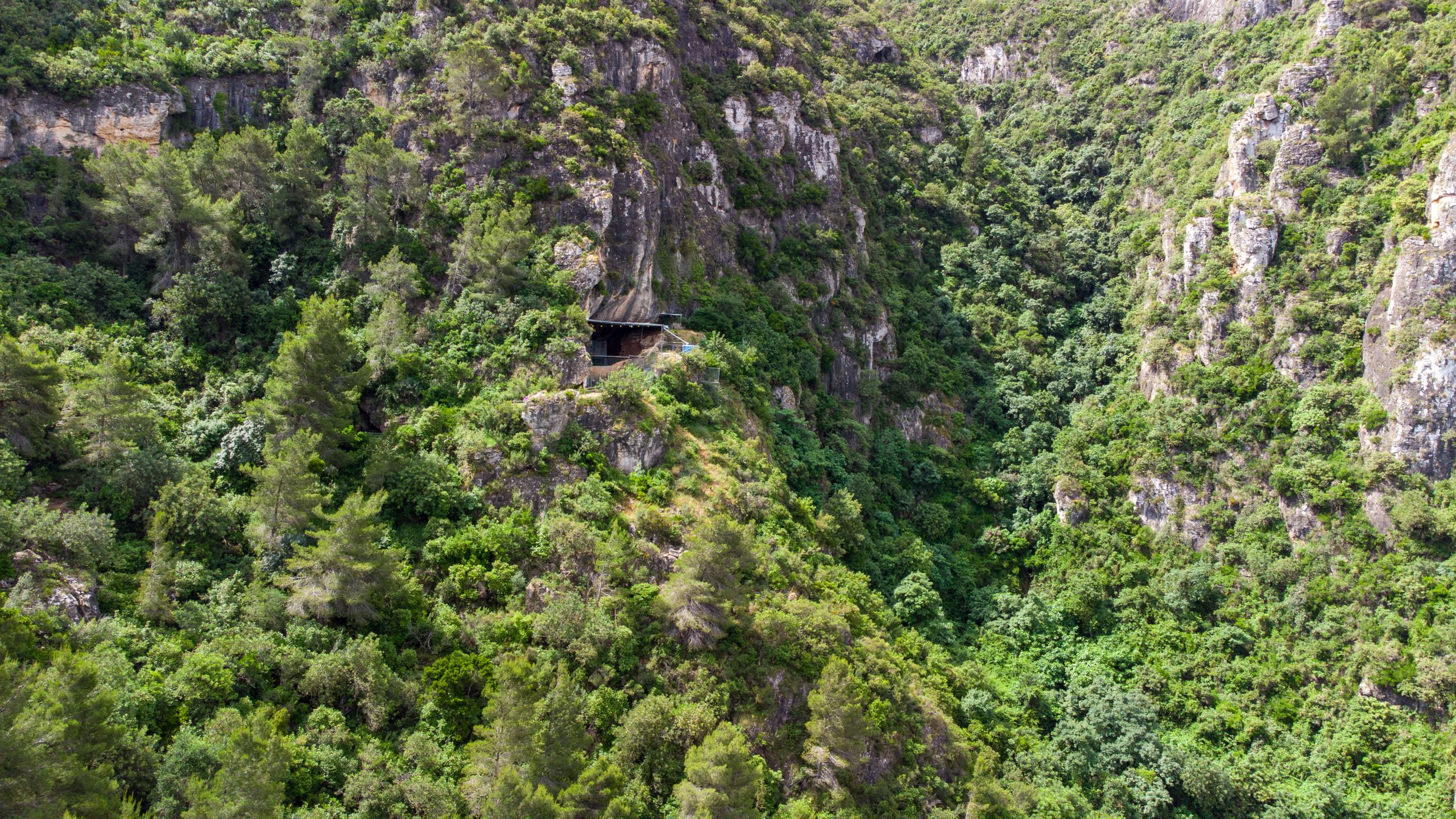
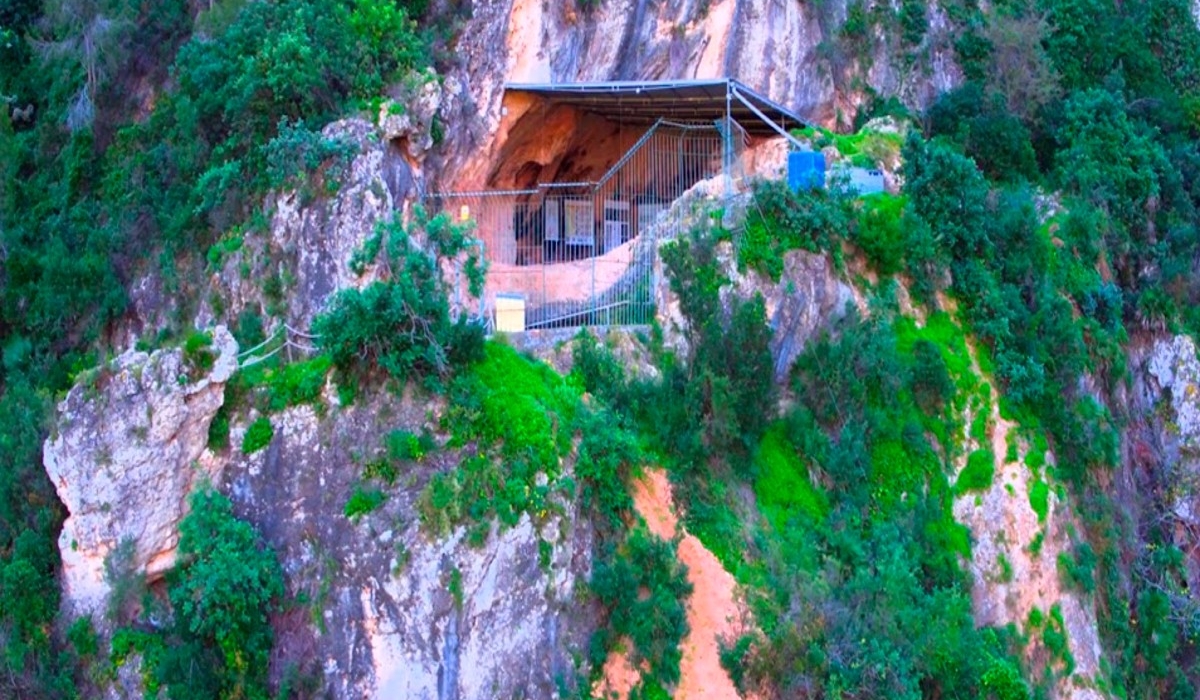
Cova del Bolomor cave, located in the municipality of Tavernes de la Valldigna, is one of the most important archaeological sites in the western Mediterranean and a key location for understanding human evolution in Europe during the Middle Pleistocene. This rock shelter, situated on the eastern slope of the Bolomor ravine, overlooking the Valldigna Valley, was occupied by human groups more than 350,000 years ago, making it one of the oldest testimonies of human presence in the Valencian Community.
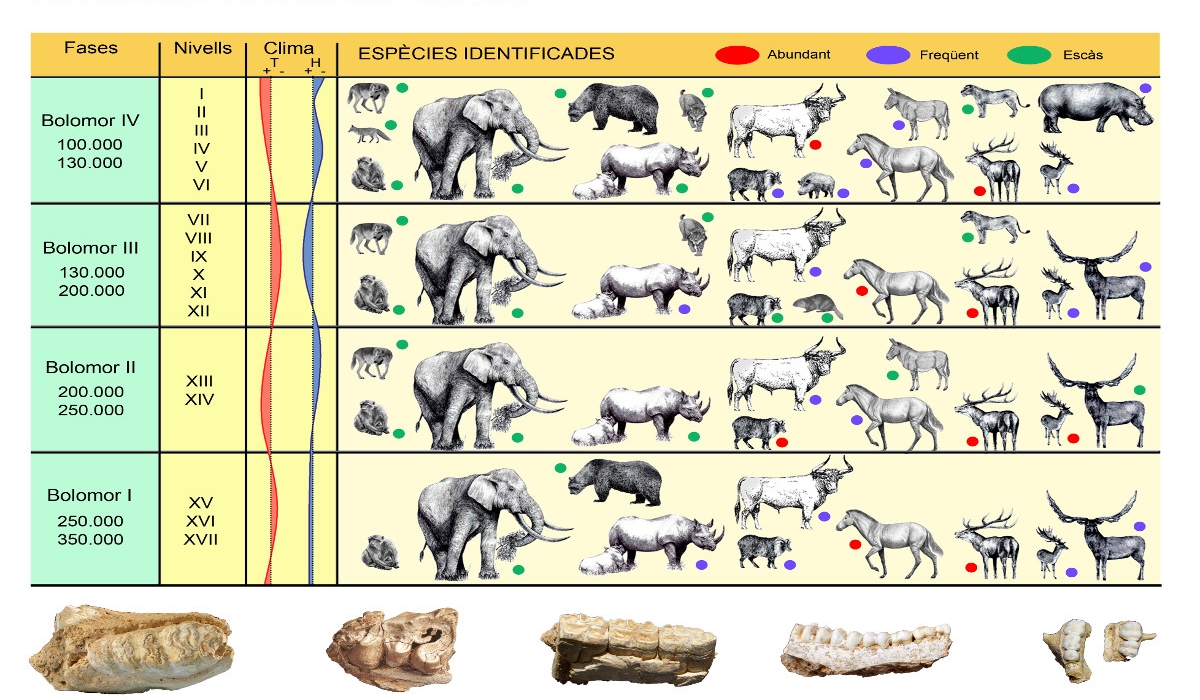
Its importance lies not only in its antiquity but also in the extraordinary preservation of its archaeological sequence. With 17 documented stratigraphic levels, the site preserves a continuous sequence spanning more than 500,000 years of climatic, environmental, and human history. This continuity allows researchers to reconstruct how the landscape, climate, and human communities evolved in the Mediterranean over hundreds of thousands of years.
Today, Cova del Bolomor Cave is an international scientific reference and one of the most outstanding prehistoric heritage sites in the Valencian region.
History of the site’s discovery
Scientific interest in Cova del Bolomor cave began in 1867, when the geologist Juan Vilanova y Piera and his disciple Eduardo Boscà identified fossil remains and stone tools inside the cavity that evidenced the presence of prehistoric humans. This discovery made the site one of the first recognized Paleolithic sites in the Valencian Community.
For decades, the cave was known among local inhabitants as the “Moorish cemetery”, fueling local legends that led to clandestine excavations in search of supposed treasures. Later, at the beginning of the 20th century, European and Spanish researchers continued to visit the site and collect materials that confirmed its archaeological importance.
Part of the site suffered damage in the mid-20th century due to mining activities that destroyed some of the archaeological sediments. Despite this, the preserved areas allowed a new period of scientific research to begin.
Systematic excavations started in 1989 under the direction of the Prehistoric Research Service of the Museum of Prehistory of Valencia. Since then, investigations have recovered thousands of archaeological remains and reconstructed one of the most complete records of the Mediterranean Paleolithic.
An exceptional site of the European Paleolithic
Cova del Bolomor cave stands out for its extraordinary archaeological richness. Inside, researchers have documented stone tools, faunal remains, microfauna, pollen, and other elements that allow the reconstruction of how the human groups who inhabited this place lived.
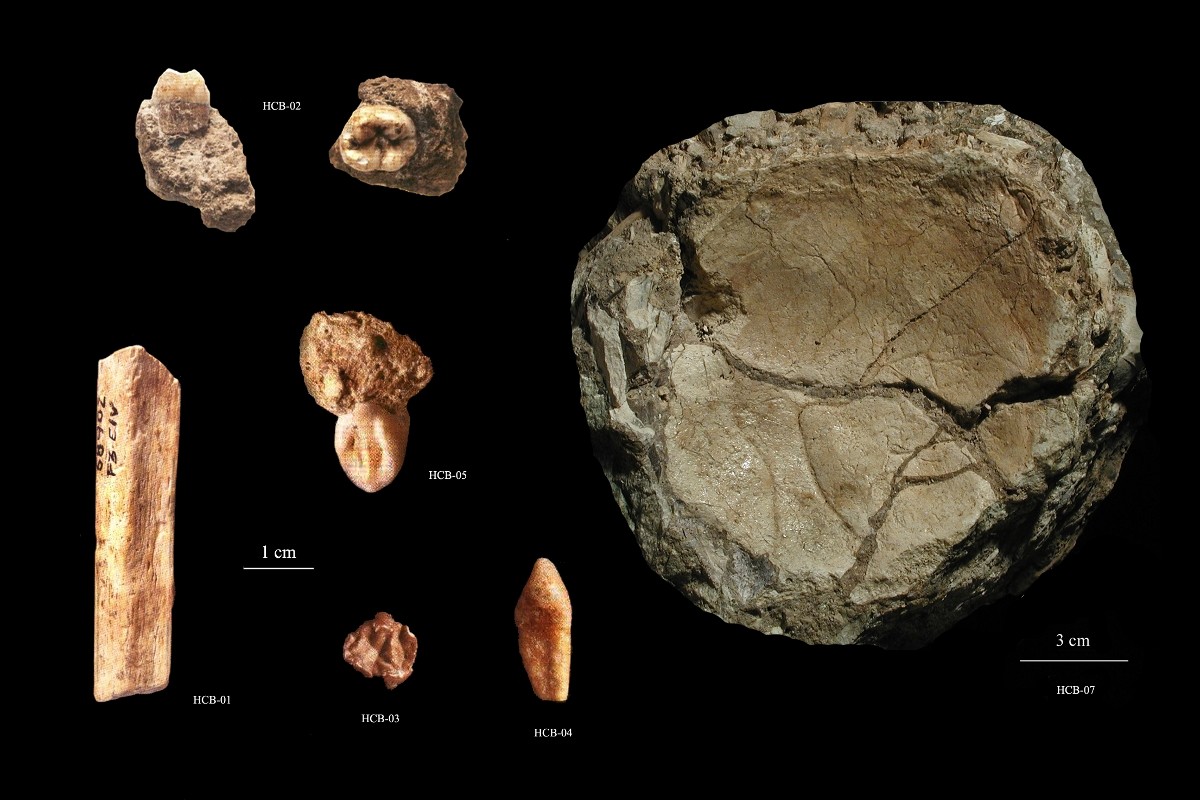
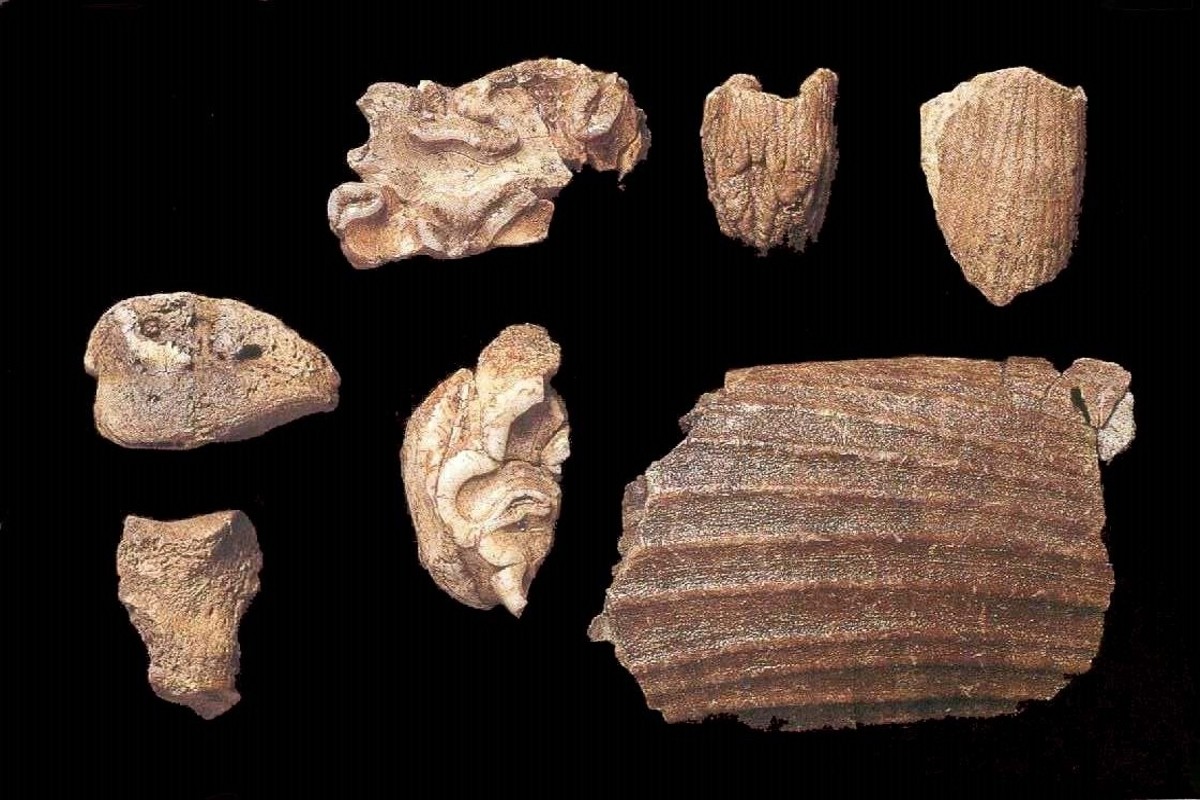
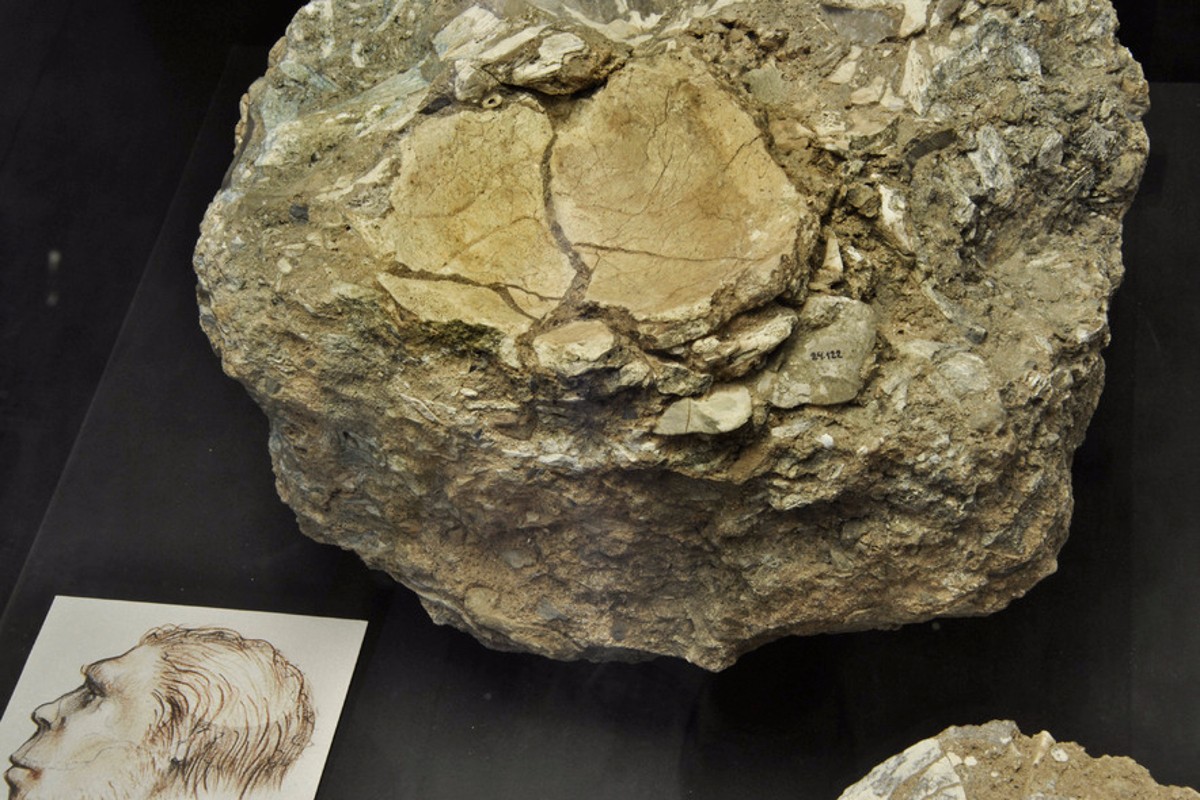
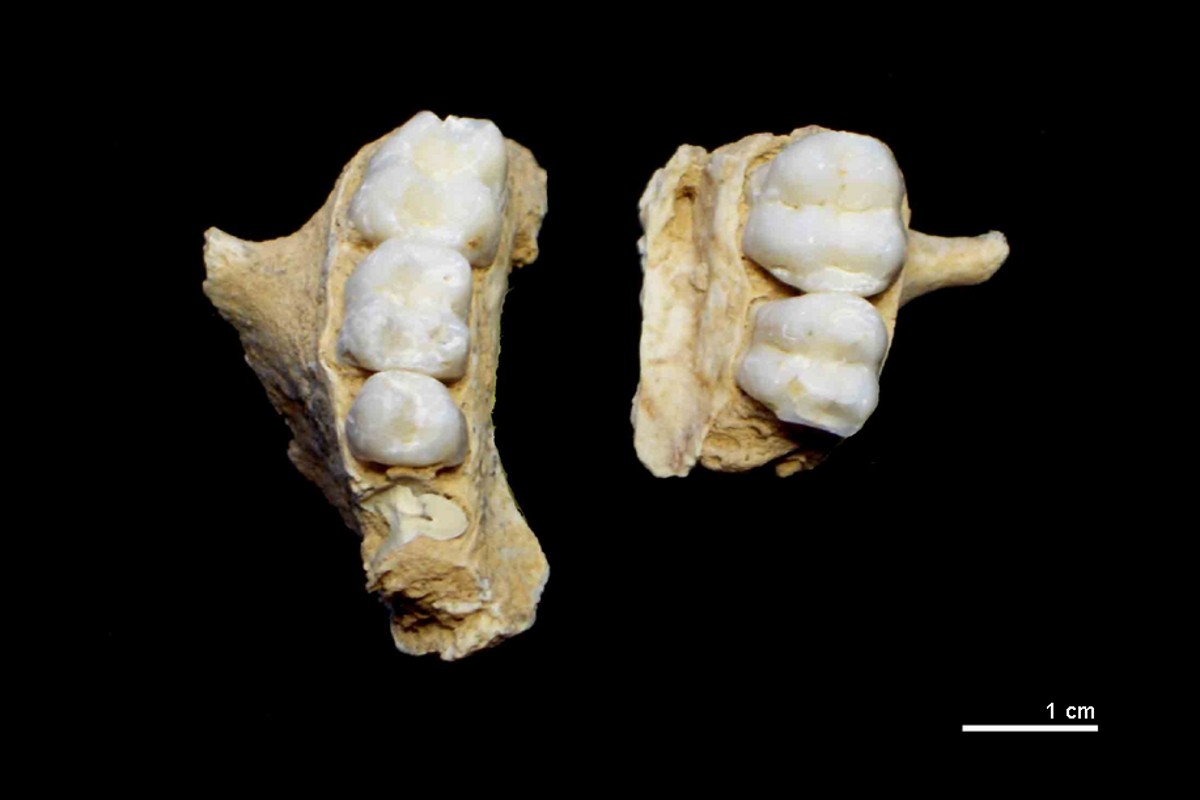
Among the most significant finds are human remains attributed to the Neanderthal lineage, including children’s teeth and bone fragments belonging to several individuals.
One of the most important discoveries at the site is the presence of hearths or combustion structures, demonstrating the controlled use of fire around 250,000 years ago. These findings place Bolomor among the oldest sites in southern Europe where this practice has been clearly documented.
The study of the lithic industry shows that Bolomor’s inhabitants made tools mainly using flint, limestone, and quartzite, materials obtained from the nearby environment.
The prehistoric landscape of the Valldigna Valley
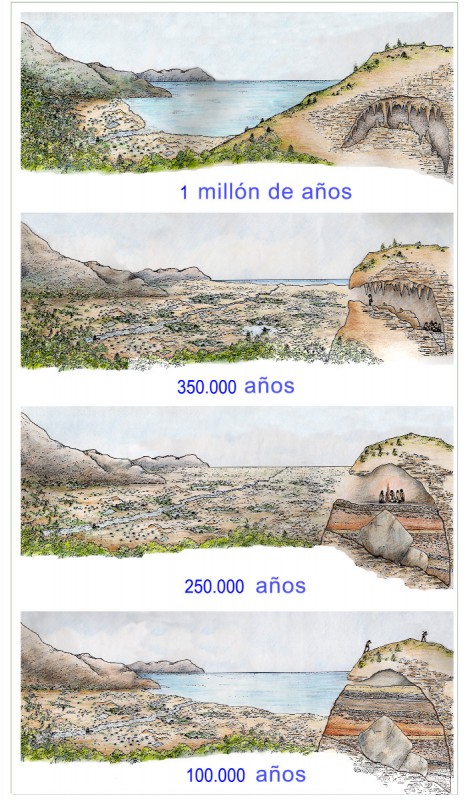
During the Pleistocene, the landscape surrounding the cave was very different from today. Climatic fluctuations caused changes in sea level and vegetation, alternating cold and dry periods with warmer and wetter phases.
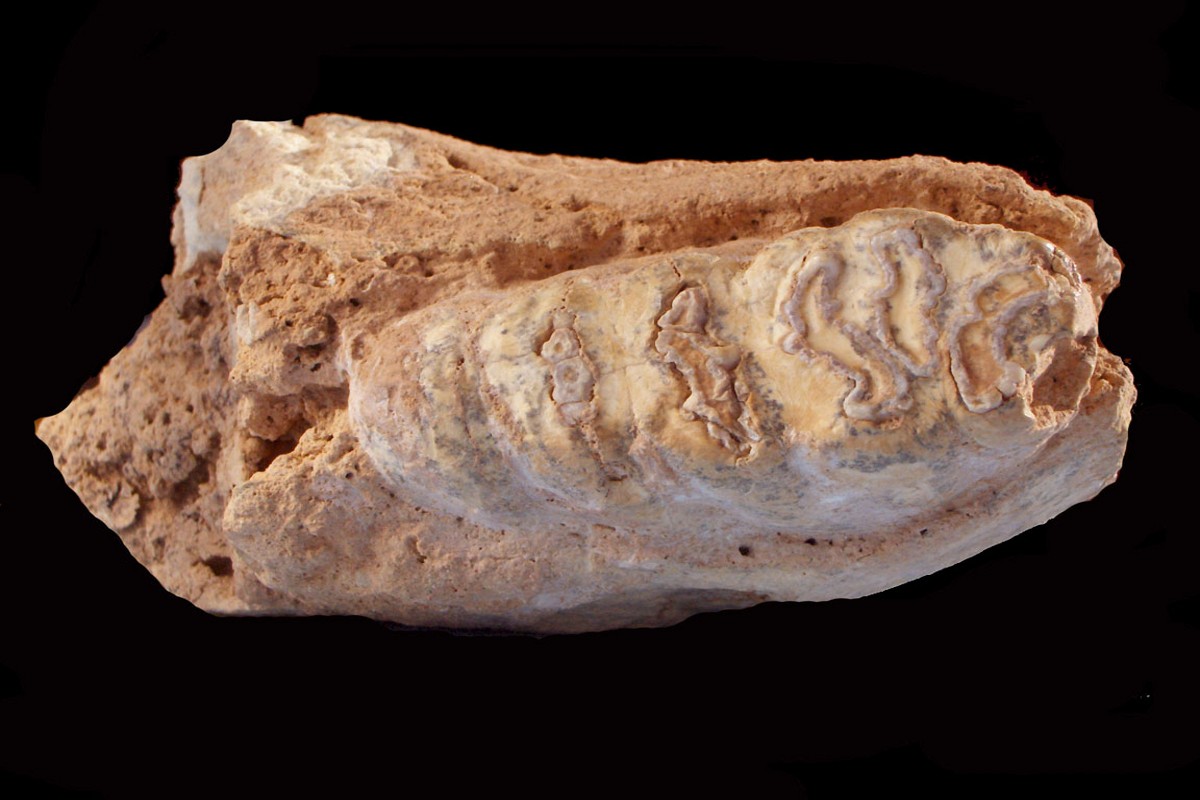
At different times, the Valldigna Valley was occupied by lakes and wetlands that attracted numerous animal species. Among the documented fauna are horses, deer, large bovids, and even rhinoceroses, elephants or hippopotamuses during warmer periods.
The elevated position of the cave allowed human groups to visually control the territory and access different natural resources, which explains its repeated occupation for thousands of years.
Research and archaeological excavations
Since the late 20th century, Cova del Bolomor cave has become an important center for archaeological research. The work carried out has made it possible to apply modern analytical techniques and has provided essential information about climate evolution, Neanderthal subsistence strategies, and the organization of human camps.
Research continues today, making the site a living scientific project that continues to provide relevant data for understanding European prehistory.
Visitors can learn about the archaeological importance of the site in the History of Cova del Bolomor cave, or discover how to experience the site today in the Visit Cova del Bolomor cave section.