



Coca de mestall, a Recipe from La Valldigna
The coca de mestall is a traditional speciality from La Valldigna. Its name refers to mestall, the mixture of corn flour and wheat flour that gives shape to a rustic, flavoursome dough closely linked to home cooking in the valley.
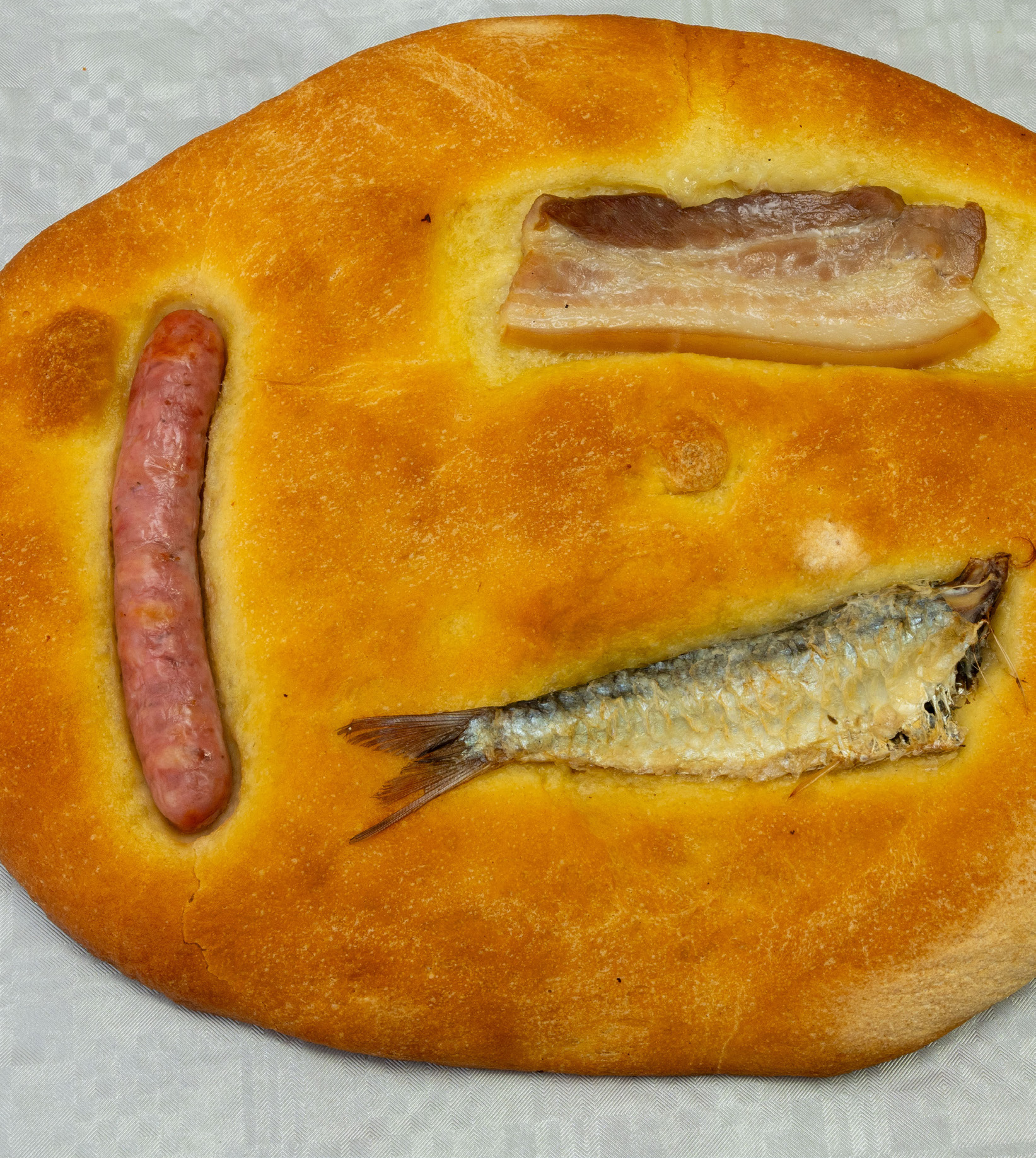
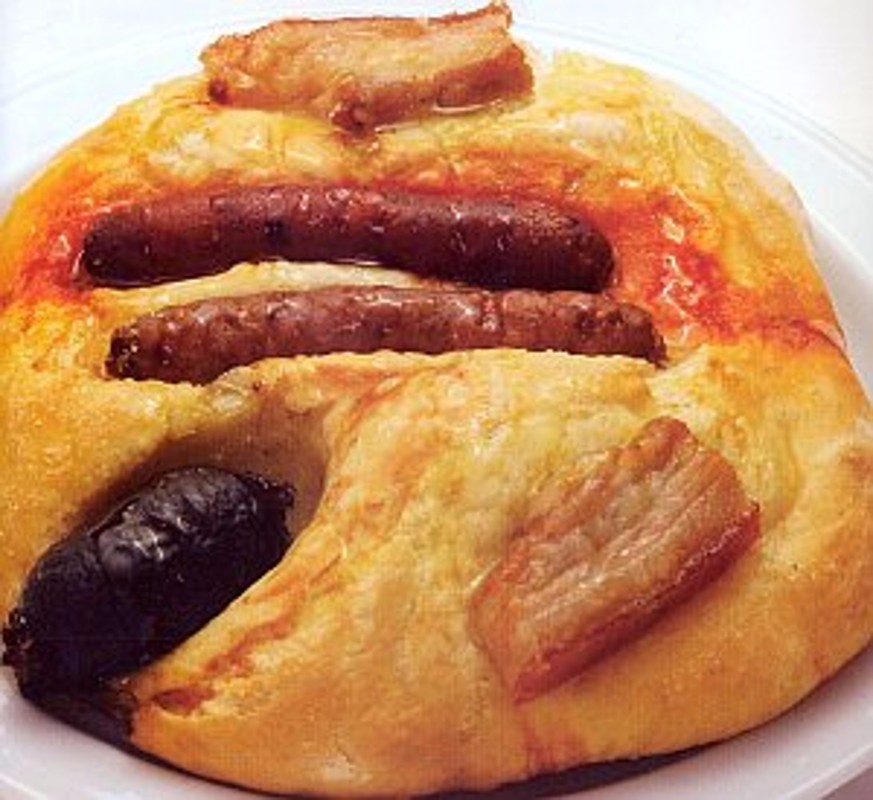
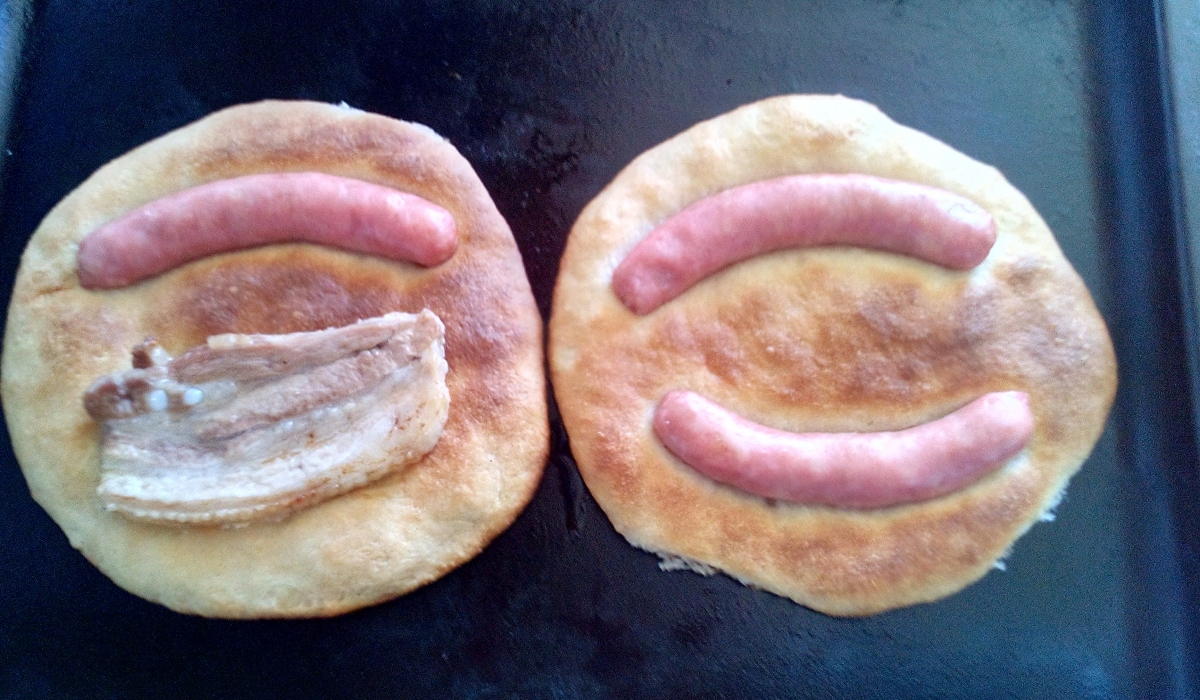
It is a simple recipe in terms of ingredients, but one with a strong identity. It is made with flour, olive oil, warm water, salt and yeast, and finished with toppings such as longaniza, pancetta, botifarra or sardine, depending on each family’s customs and tastes.
 Coca de mestall
 Oven-baked tradition
A coca with La Valldigna identity
Coca de mestall is not a generic coca made with corn flour: it is a preparation with its own name within the gastronomy of La Valldigna. Mestall, understood as the mixture of flours, explains the origin of a dough that uses the strength and flavour of corn with the help of wheat flour, which adds elasticity.
For generations, this kind of recipe formed part of everyday cooking, both at home and in local ovens. With just a few ingredients, families made a hearty coca that made good use of pantry staples such as cured sausage, pancetta, botifarra or sardine.
The result is a coca with an intense flavour, a distinctive texture and a humble appearance, yet with great gastronomic value because it preserves a traditional way of cooking and understanding the cuisine of La Valldigna.
Ingredients
The quantities are simple, but it is important to respect the proportion of flours and add the water gradually so that the dough binds properly and keeps its body.
Coca de mestall
Ingredients for the dough:
- 450 g of flour: three quarters corn flour and one quarter wheat flour.
- Olive oil.
- Warm water, as much as the dough takes.
- Saltt.
- 25 g of fresh yeast or baker’s yeast.
To place on top:
- Longaniza.
- Pancetta.
- Botifarra.
- Sardine.
Step-by-step preparation
The original recipe is brief, but the process is easier to follow when each stage is clearly separated: preheating the oven, preparing the dough, working it, shaping the cocas, adding the toppings and baking them until golden.
1Preheat the oven. Preheat the oven to around 200 ºC while preparing the dough. This step matters because the coca should go into a hot oven so that it starts baking evenly from the beginning.
2Prepare the flours. Place the two flours in a large bowl: corn flour and wheat flour. This mixture is what gives coca de mestall its name and character.
3Dissolve the yeast. Dissolve the fresh yeast in a small glass of warm water. The water should not be too hot, only lukewarm, so that the yeast dissolves well and remains active.
4Make the dough. Add the dissolved yeast to the flours, together with a pinch of salt. Then add olive oil and warm water gradually, only as much as the dough needs, until all the ingredients are well combined.
5Knead. When the dough begins to take shape, flour the kitchen worktop and work it by hand. The dough should be smooth, manageable and elastic, without being too hard or overly sticky.
6Shape the cocas. Divide the dough into several balls, depending on how many cocas you want to make. Stretch each portion out on baking paper and shape it into a round or slightly oval form.
7Add the topping. Place the chosen topping on each coca: longaniza, pancetta, botifarra or sardine. To finish, add a pinch of salt and a little olive oil on top.
8Rest and bake. Before baking, leave the dough to rest so that it develops properly. Then bake for around 25 to 30 minutes, until the coca is golden and the dough is fully cooked.
Variations més habituals
Coca de mestall can be finished with different toppings. They all start from the same dough, but the final flavour changes considerably depending on what is placed on top.
Images de la coca de mestall
The images help show the texture and appearance of this traditional La Valldigna speciality: a coca with a firm dough, a golden surface and simple ingredients full of flavour.