

A visual journey through the history of Tavernes de la Valldigna
This timeline works as a visual navigation tool that complements the side menu: click on each stage or icon to go directly to its specific section in the historical text.

History of Tavernes de la Valldigna
History of Tavernes de la Valldigna: prehistoric origins
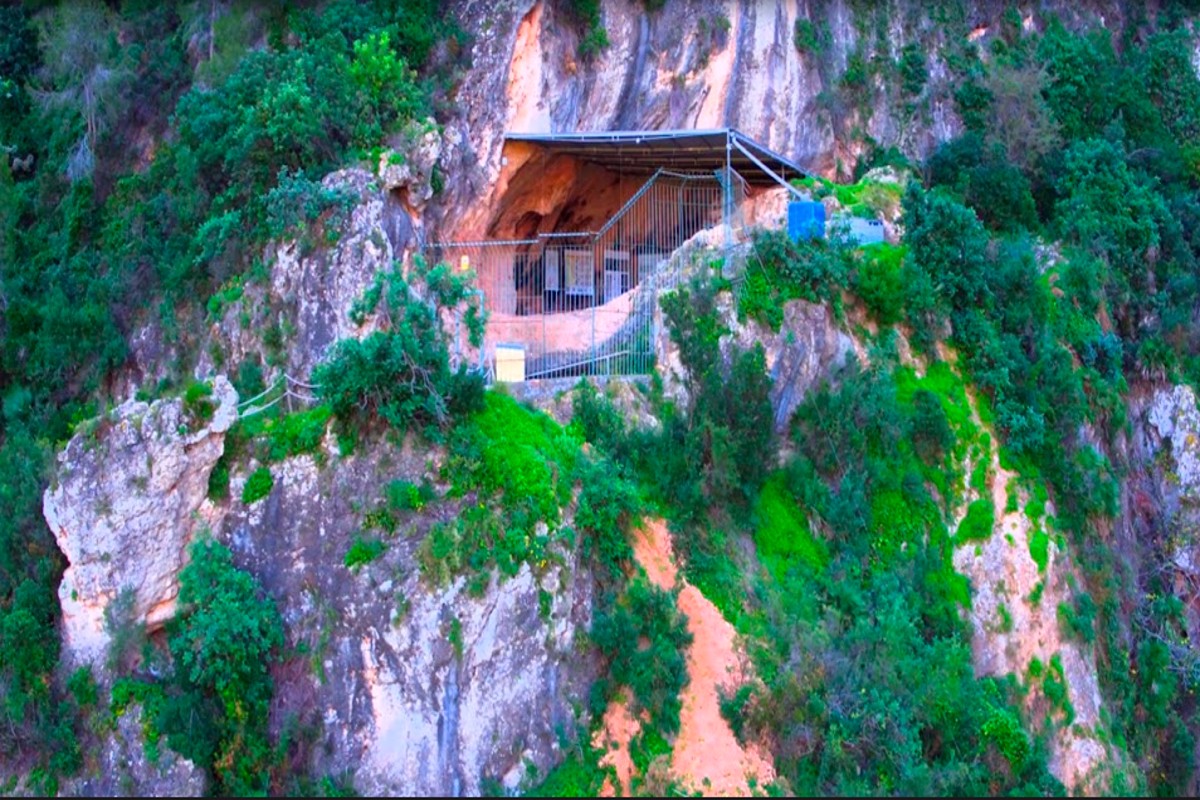
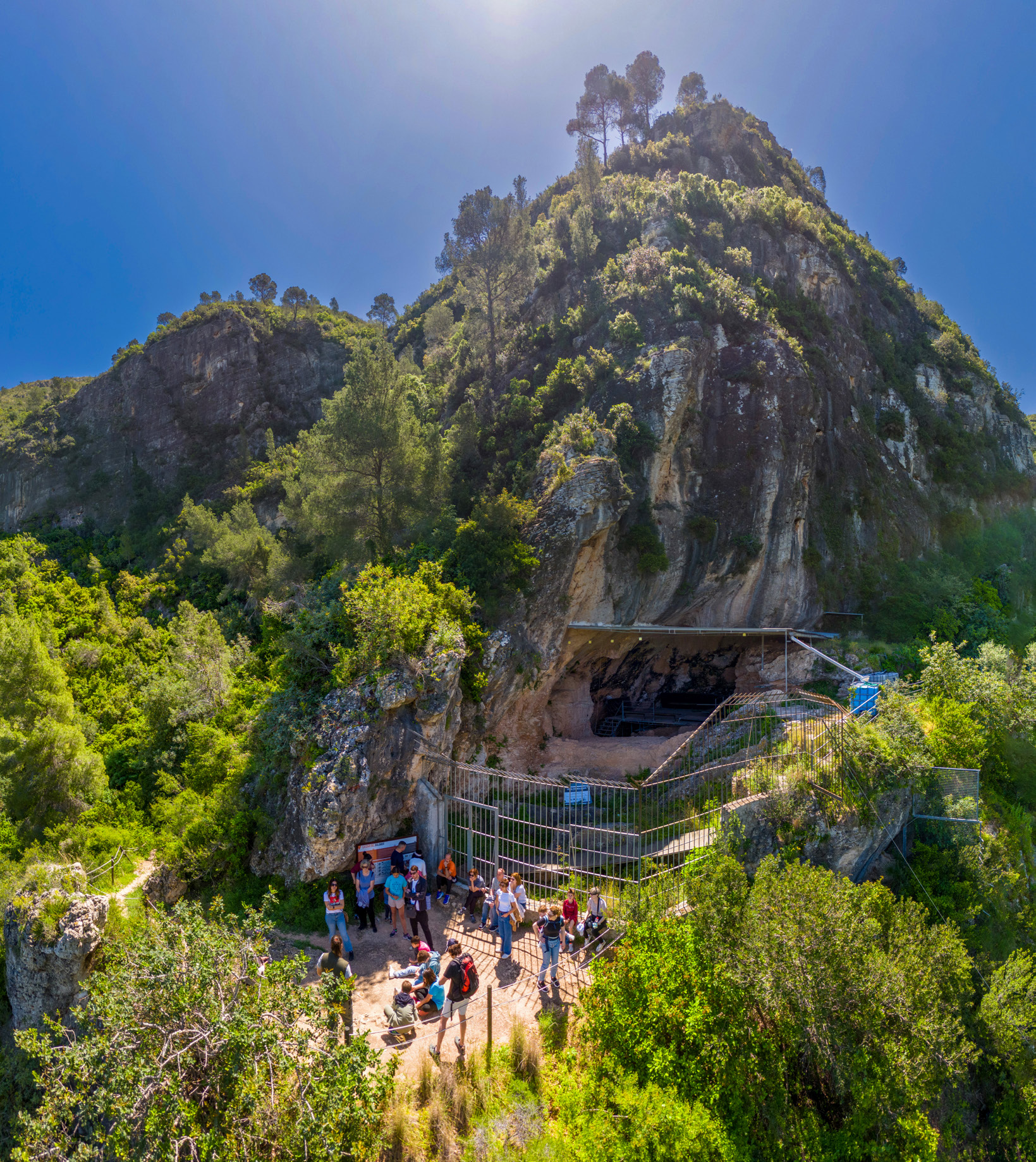
The first PREHISTORIC evidence of human settlement in Tavernes, and also in the whole Region of Valencia, dates back to the Palaeolithic, more than 350,000 years ago. It can be found in the Cova del Bolomor, on the Ombria mountain. Excavations confirm the adaptation of hominid communities, possibly Homo heidelbergensis.
The Cova del Bolomor is also considered one of the most important Palaeolithic sites in western Europe, as it has made it possible to document key aspects of the life of the continent’s earliest inhabitants. The discoveries made at this site have contributed decisively to the study of human evolution and of the first forms of social organisation among prehistoric communities.
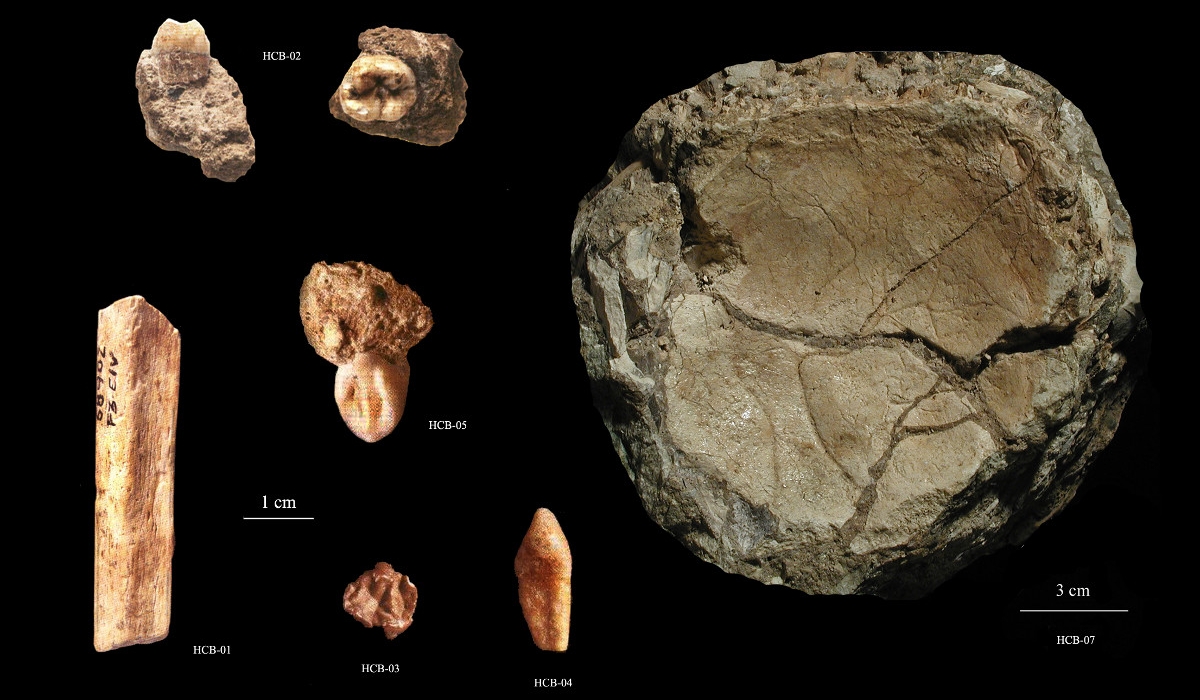
Later, Neanderthals established settlements in this area, as shown by the remains of several bones found in the same cave, including molars, canines and a parietal bone, as well as traces of the oldest hearth in Europe. This makes it possible to verify that they already made controlled use of fire, one of the most important advances in the evolution of human societies.
It was the Neolithic communities, with a more sedentary way of life, that were responsible for the continuity of settlement. Remains from this period have been found in the Cova de la Carta, in the Bolomor ravine.
During the Neolithic period, caves were used as necropolises, where everyday utensils were also deposited. The Cova del Caçador, also known as Cova de les Foietes, is a good example.
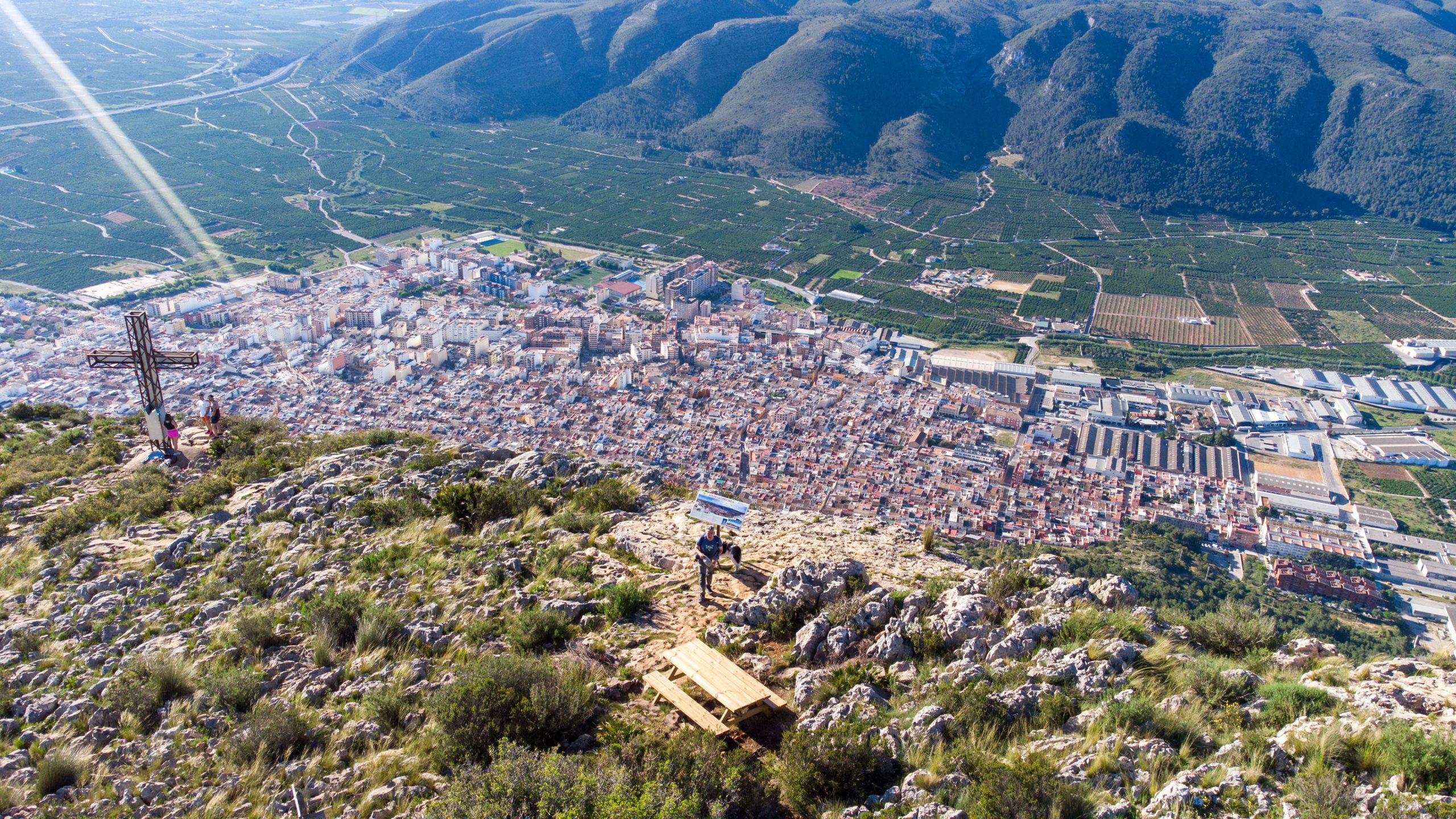
Human settlement in Tavernes was favoured by the geographical characteristics of La Valldigna: a fertile valley protected by mountains and open to the Mediterranean Sea. This strategic location offered natural resources, land suitable for agriculture and a privileged position from which to control the territory, factors that have encouraged human presence here since very ancient times.
Iberian settlement and the first fortified sites
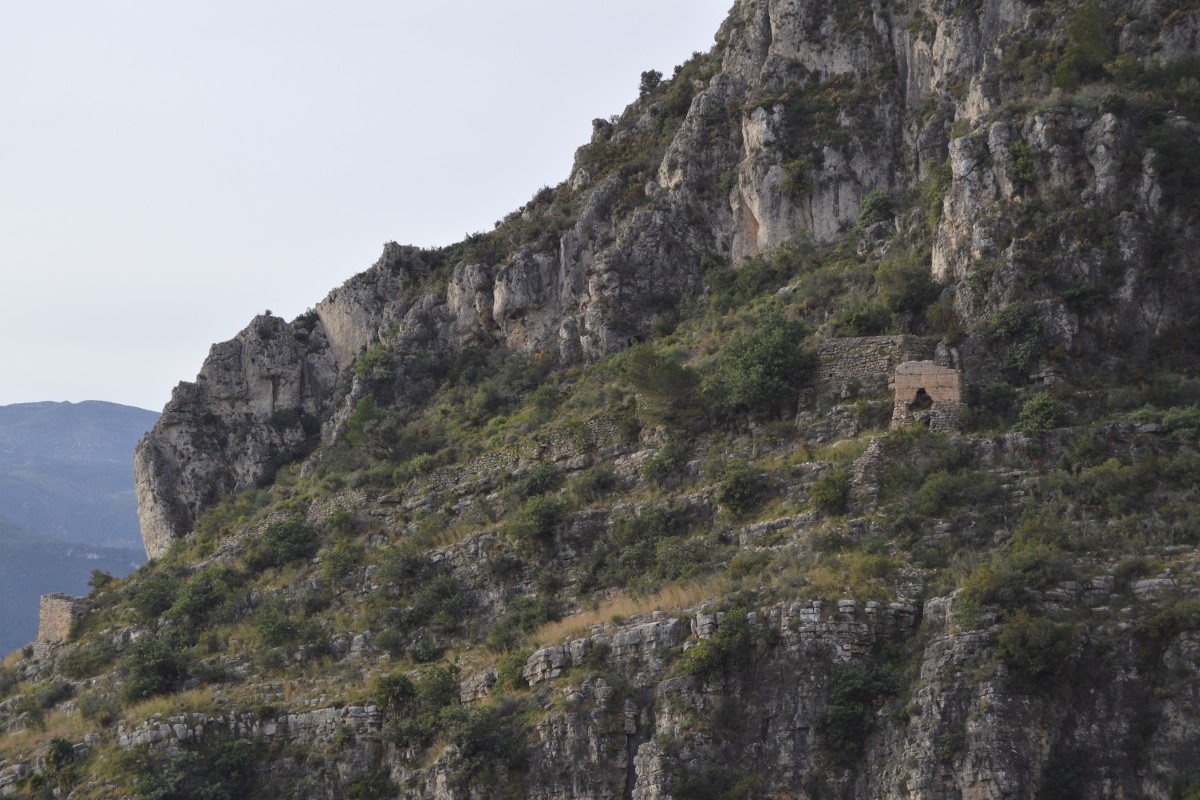
Tavernes was an ideal place for the IBERIANS because of its morphology: proximity to the sea and promontories from which they could command a wide field of vision. The ruins of fortifications on the south-eastern slope of the Muntanya de les Creus, known as Els Castellets, together with El Ràfol and the Teularet area, confirm the existence of an Iberian settlement.
The Roman presence in the valley
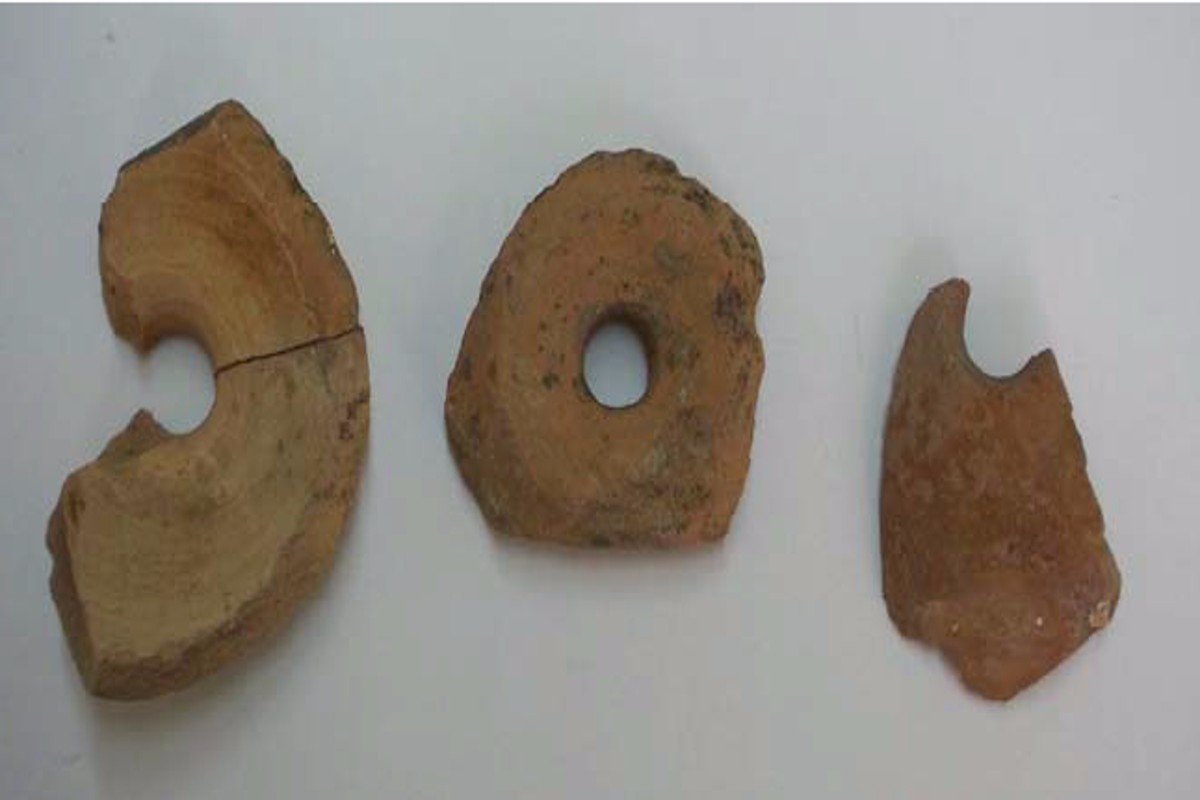
As for ROMANISATION, the scarcity of finds confirms at least the existence of settlement in the valley during this period. There is a hypothesis of a Roman settlement in the south-east of the valley, based on the discovery of Roman coins on the Ombria mountain.
The Vall d’Alfàndec in the Muslim period
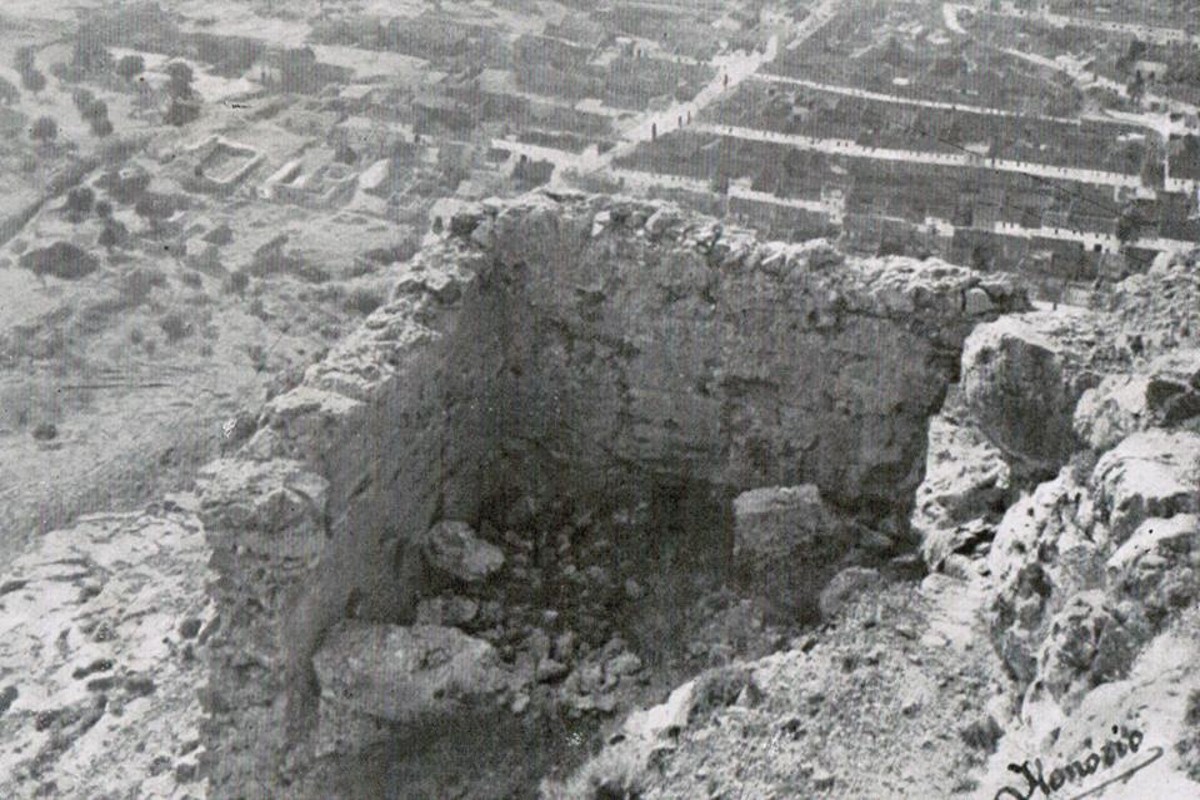
In the MUSLIM period, the valley was known as Alfàndec, meaning valley or ravine in Arabic, and the territory was organised into farmsteads around the castle of Alcalà d’Alfàndec. Together with Els Castellets, which were occupied and restored, it formed part of a defensive system with a surveillance function.
Some of these farmsteads were known as Gebalcobra, meaning major mountain in Arabic, the old nucleus of present-day Tavernes, and Gebalsogra, meaning minor mountain. In the 13th century, the colonisers began to call them Taverna and Ombria, respectively.
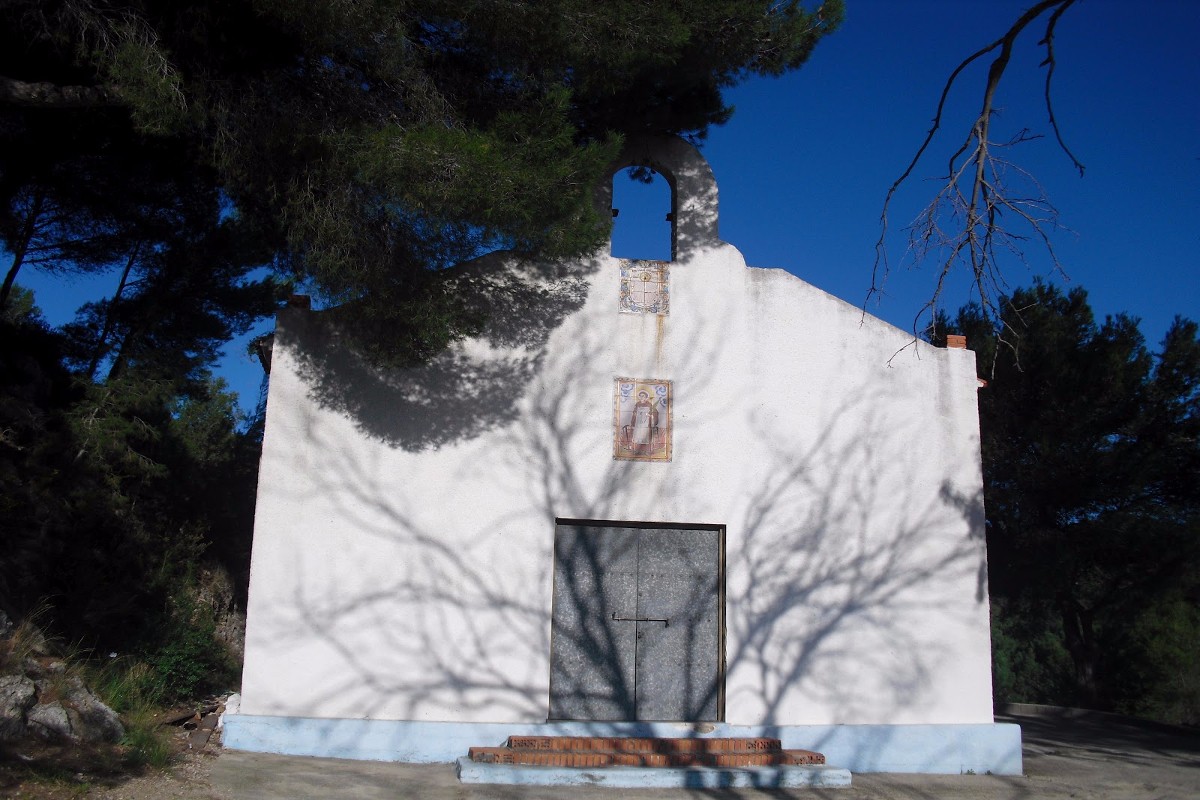
Outside the valley there were two nearby farmsteads that would later be incorporated into the domains of the Monastery of La Valldigna: Massalalí and L’Alcudiola, located today around the Racó del Massalari and the area of the former Hermitage of Sant Llorenç, believed to stand on the base of an old Arab mosque. This territorial division lasted until the 19th century.
The Christian conquest and the birth of La Valldigna
Around 1240, James I of Aragon occupied the Vall d’Alfàndec and the CHRISTIAN presence began. In order to ensure the exploitation of the territory, the Moorish population was not expelled. Those who remained were allowed to keep their way of life, customs and even the lands they worked.
In 1249, King James I himself carried out the repopulation of the territory and granted important donations to Christians from other places.
James I also promoted the immigration of Jews into the conquered territories, and in the Vall d’Alfàndec they retained a privileged position as owners of houses and lands received through royal donations until the 14th century.
During the Christian reconquest, a royal privilege, later confirmed in 1298 by James II of Aragon, guaranteed that the Mudejars of La Valldigna could keep their religion, language and customs. However, this situation of cultural and religious tolerance gradually deteriorated until they lost freedoms, rights and status.
In 1298, while passing through the valley and surprised by such a fertile land, James II gave it the name Valldigna, and that name has survived to the present day. That same year he granted the lands to the Cistercian community to found the Monastery of Santa Maria de Valldigna, which was responsible for protecting the Christians of El Ràfol.
The demarcation of La Valldigna was carried out in 1298, after the donation.
The expulsion of the Moriscos and its consequences
During the EXPULSION OF THE MORISCOS, the monastery confiscated the houses and lands of the Muslims.
The Arab inhabitants were forced to accept, among other things, incorporation into the unjust system of lordships.
The conversion and emigration of Muslims and the construction of seven new churches across the farmsteads were enough for the inhabitants of El Ràfol to move to Gebalcobra, Tavernes, and create the most populated nucleus in the valley.
To curb the constant flight of infidels, the Cistercian monks travelled through all the surrounding villages with the aim of instructing the Morisco population in the Christian religion.
The consequences of the expulsion were varied and complex: the ruin of feudal lords, abandoned lands and long periods of economic and demographic crisis, marked by repopulation problems, a shortage of labour and a fall in income levels.
Coastal defence and historical heritage
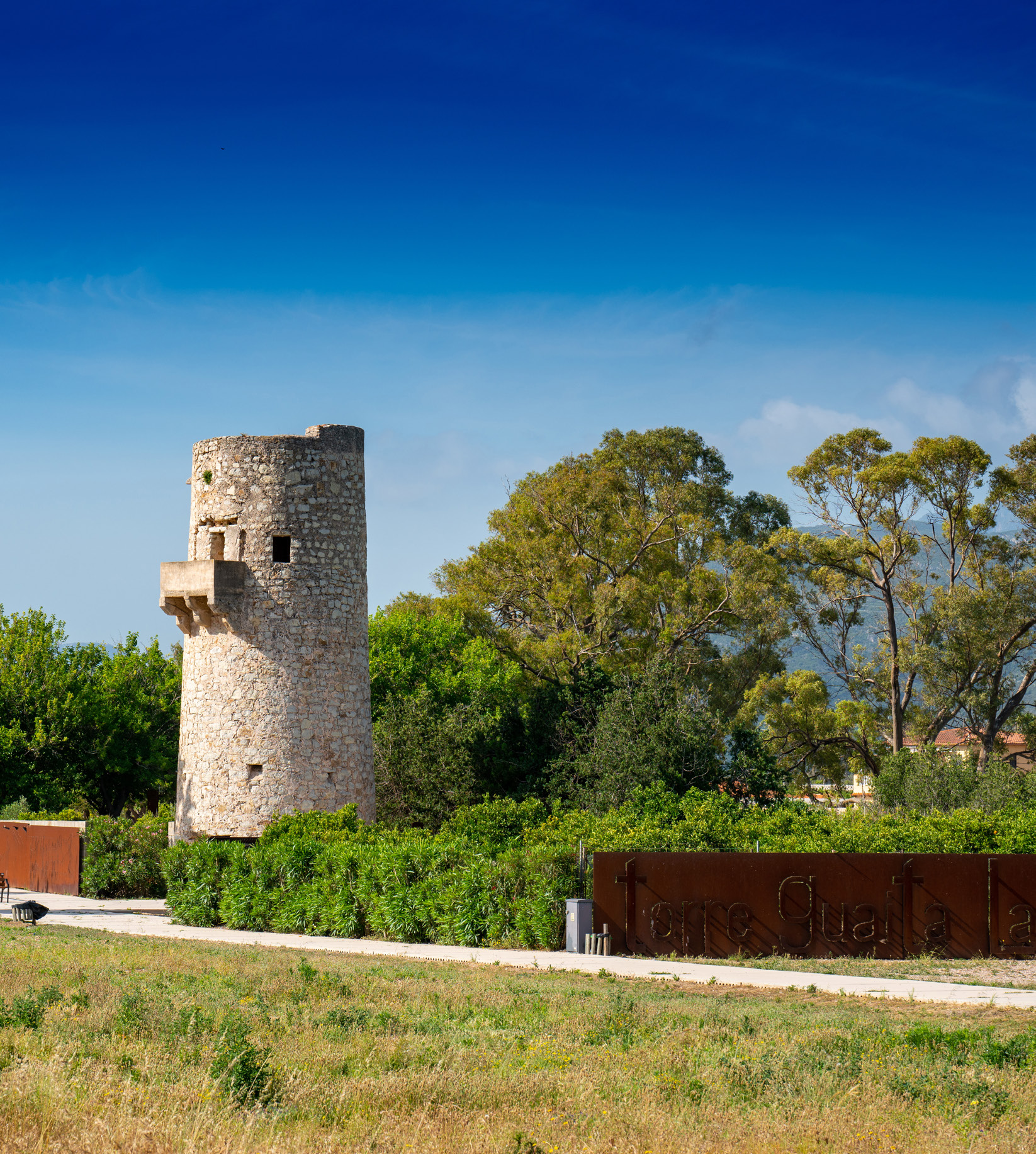
Around 1575, Philip II commissioned a study on the defence of the coastline out of fear of a possible Moorish invasion from the coasts of Africa, as the southern and eastern coast of the peninsula was often attacked by pirates and corsairs who destroyed crops and sacked villages.
This is when a new type of defensive construction appeared: the watchtower. These towers were built all along the Mediterranean coast and formed part of a surveillance system that made it possible to warn quickly of an attack. The Torre de Guaita of Tavernes, near Tavernes beach, is one of the best-preserved in the Region of Valencia. It was declared an Asset of Cultural Interest, in the Monument category, and has been registered since 2002 in the Spanish Historical Heritage register.
Modernisation, growth and the present-day city
The 18th century was a time of MODERNISATION, a clearly positive period in terms of demographic growth and economic potential. One of the main features was the unstoppable growth of agriculture. The most profitable irrigated crop was wheat, followed by rice. Livestock farming, by contrast, was largely subordinate to agriculture.
La Valldigna was still a privileged land, and the Monastery of Santa Maria held authority over most of its assets.
Among the technical improvements of the period, the hydraulic mills stand out. They were adapted to the process of flour production or rice whitening and used hydraulic energy to set an entire chain of production in motion.
Some examples are still preserved in Tavernes: the Molí Vell del Pla is the clearest example of these constructions.
In this process of modernisation, the culmination came with the Industrial Revolution and the incorporation of the Carcaixent–Dénia railway line in 1884. This means of transport was used both by travellers and traders and opened the doors to commerce, enabling mobility and guaranteeing constant communication.
City status and contemporary evolution
In the following decades, agriculture in the valley underwent new transformations with the expansion of citrus cultivation, especially oranges, which would eventually become one of the main economic drivers of Tavernes and the whole district.
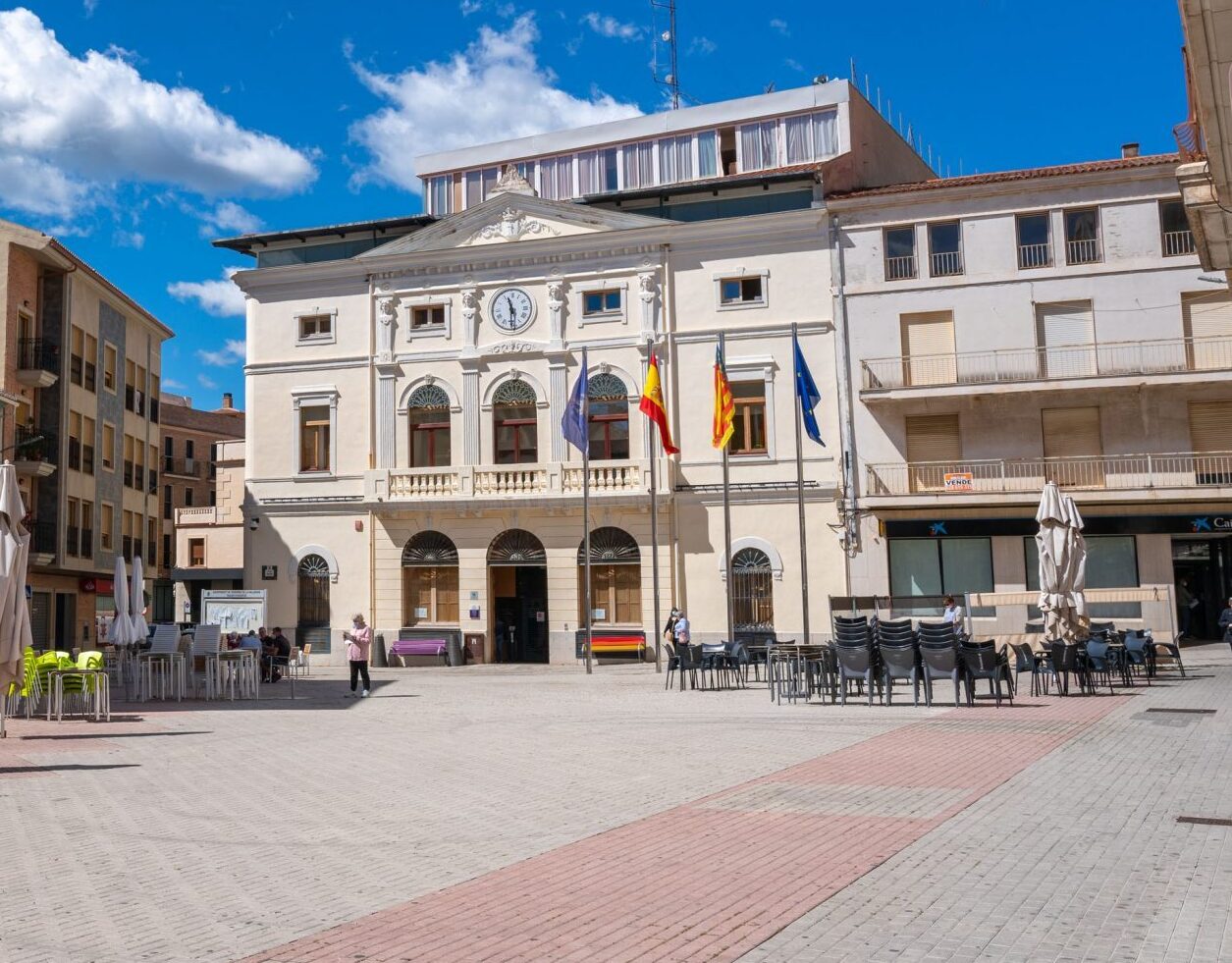
As a final point in this brief summary of the history of Tavernes, it should be noted that the town obtained city status in 1916, granted by King Alfonso XIII.
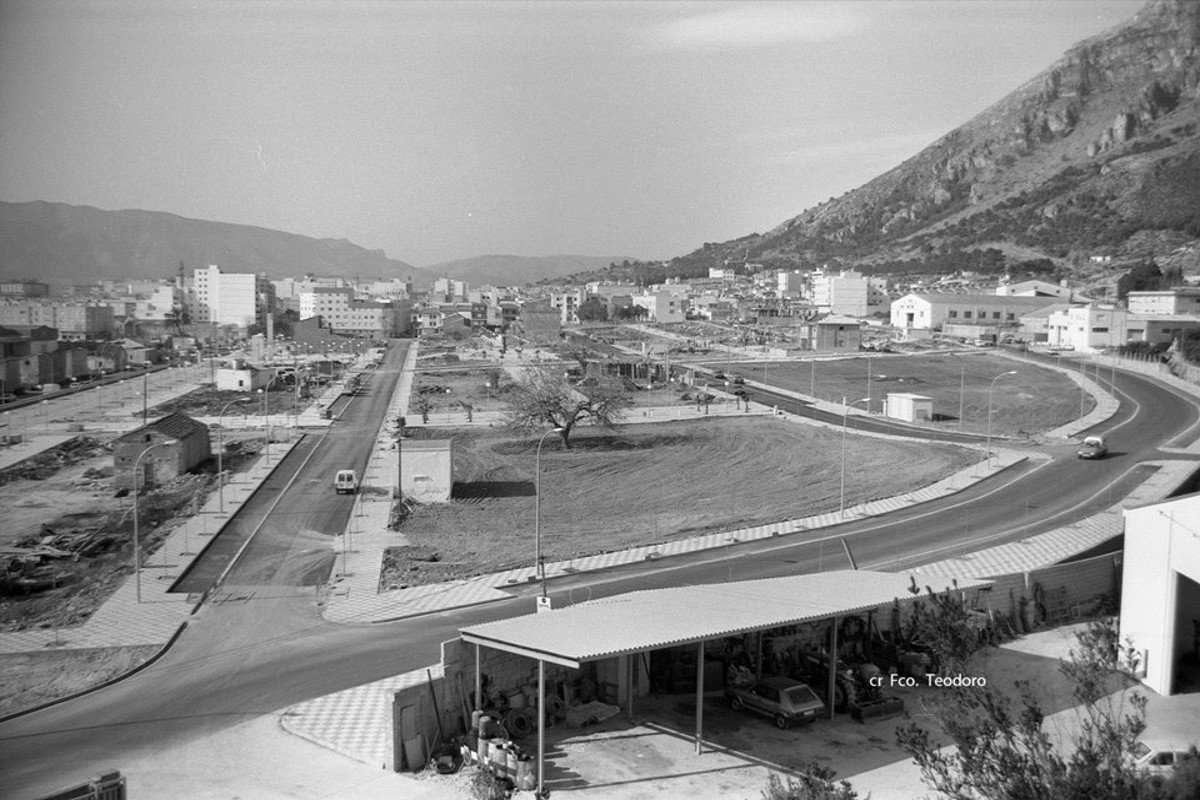
Throughout the 20th century, Tavernes de la Valldigna continued to grow and transform. Urban development, improved communications and the use of its privileged location between the sea and the mountains drove its evolution towards a modern city.
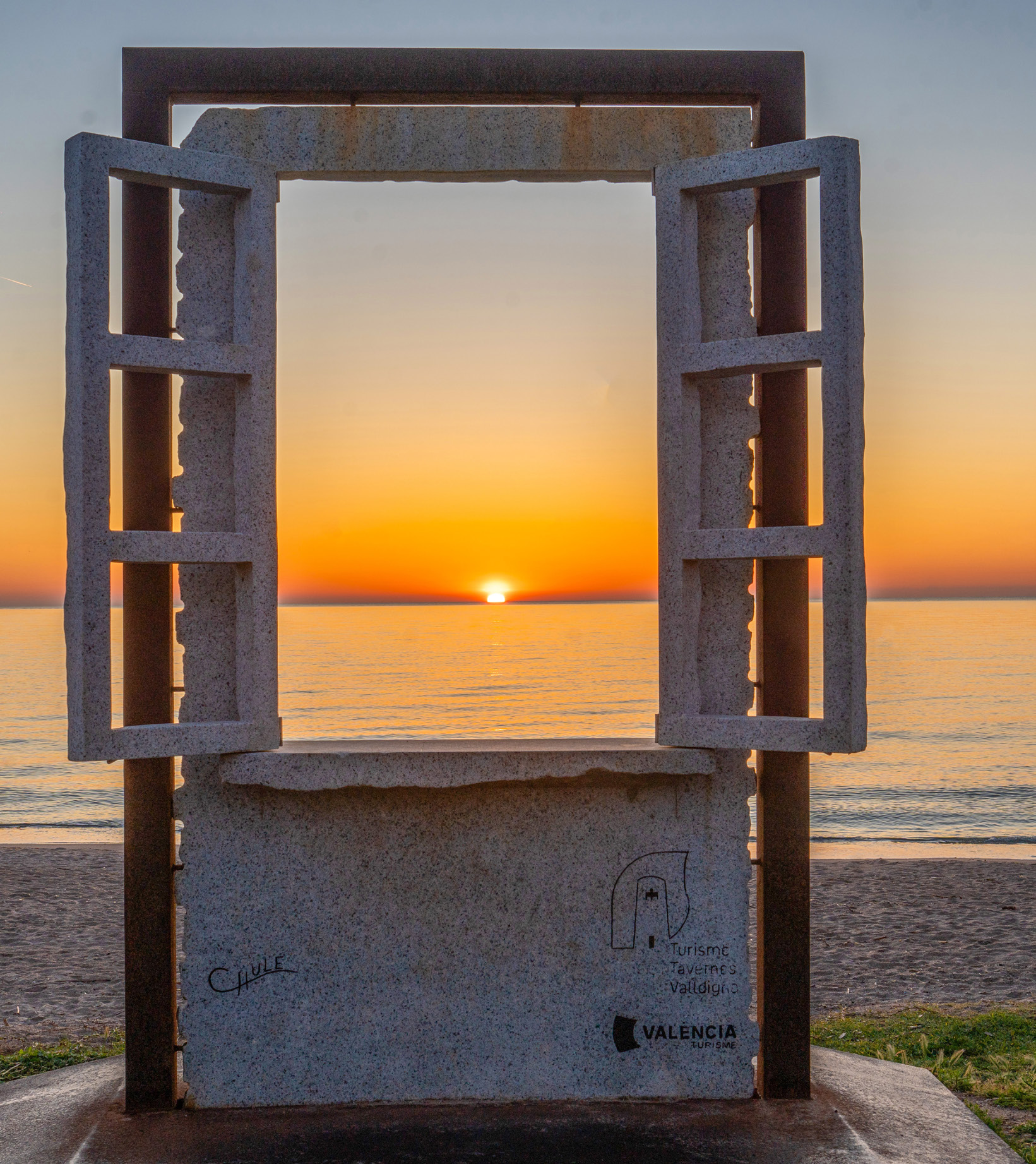
In recent decades, the municipality has combined its traditional agricultural vocation with the development of tourism, especially in the coastal area. Today, Tavernes de la Valldigna offers a wide variety of attractions, including beaches, hiking routes, festivals and cultural events throughout the year, such as the Fallas, whose first commission dates back to 1976 and which are now deeply rooted in the municipality. All this makes Tavernes a place that brings together history, nature and heritage with in the singular landscape of La Valldigna.