

Cultural Center of Tavernes de la Valldigna
The Cultural Center of Tavernes de la Valldigna, locally known as the House of Culture, is one of the city’s main cultural spaces. Located at Rafael Chirbes Square, s/n, it brings together the public library, auditorium, exhibition rooms and services linked to documentary memory.
Its tourist interest is not only in the building itself, but also in the story it tells: the move from more scattered cultural activity to a recognisable Cultural Center, a public facility designed to bring reading, cultural programming, exhibitions, archives and civic life together in one place.
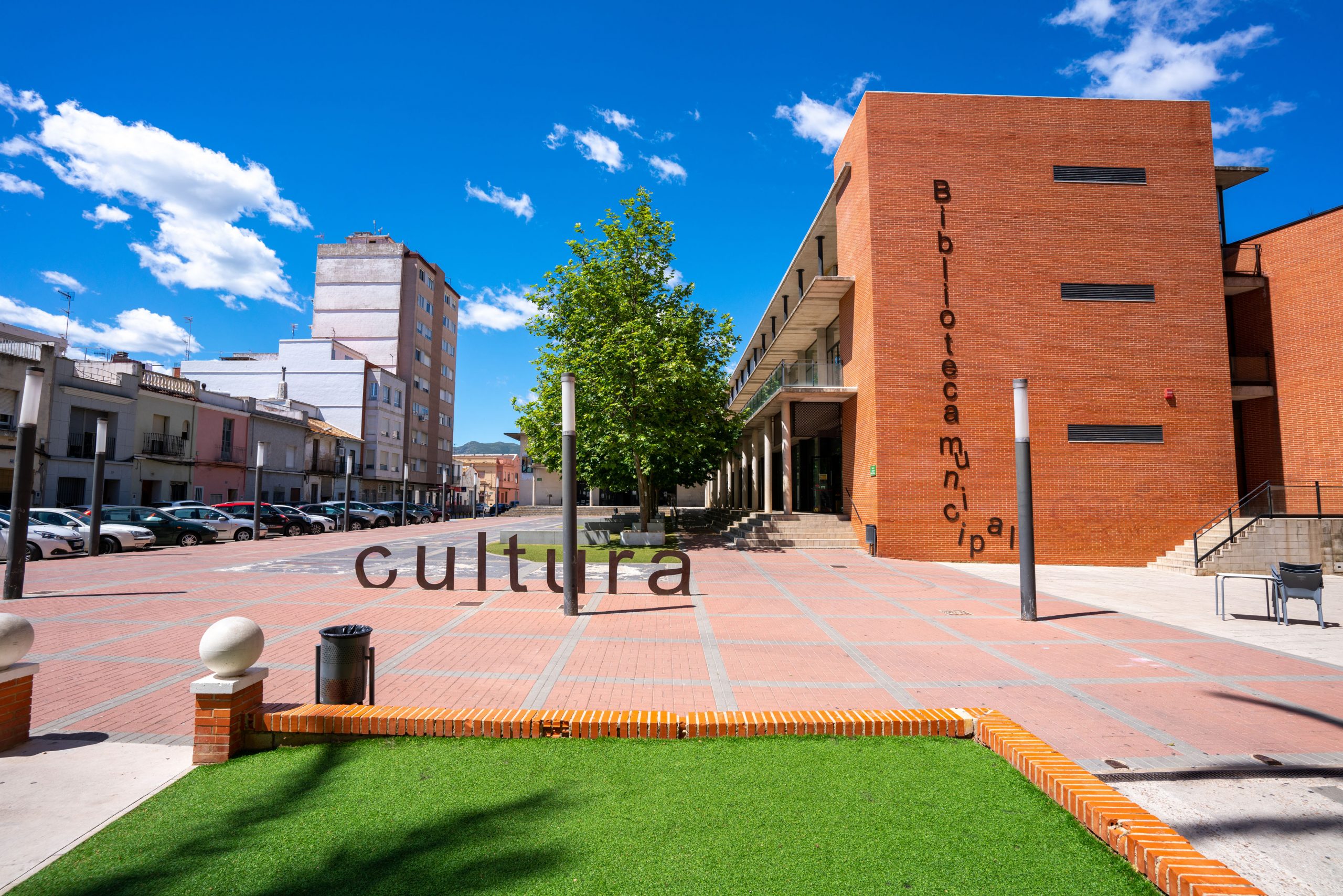 Cultural Center
What to know before visiting
The Cultural Center works as a cultural center for Tavernes. Within an urban route, it helps explain contemporary Tavernes: a city that not only preserves historic heritage, but also creates spaces for today’s cultural life.
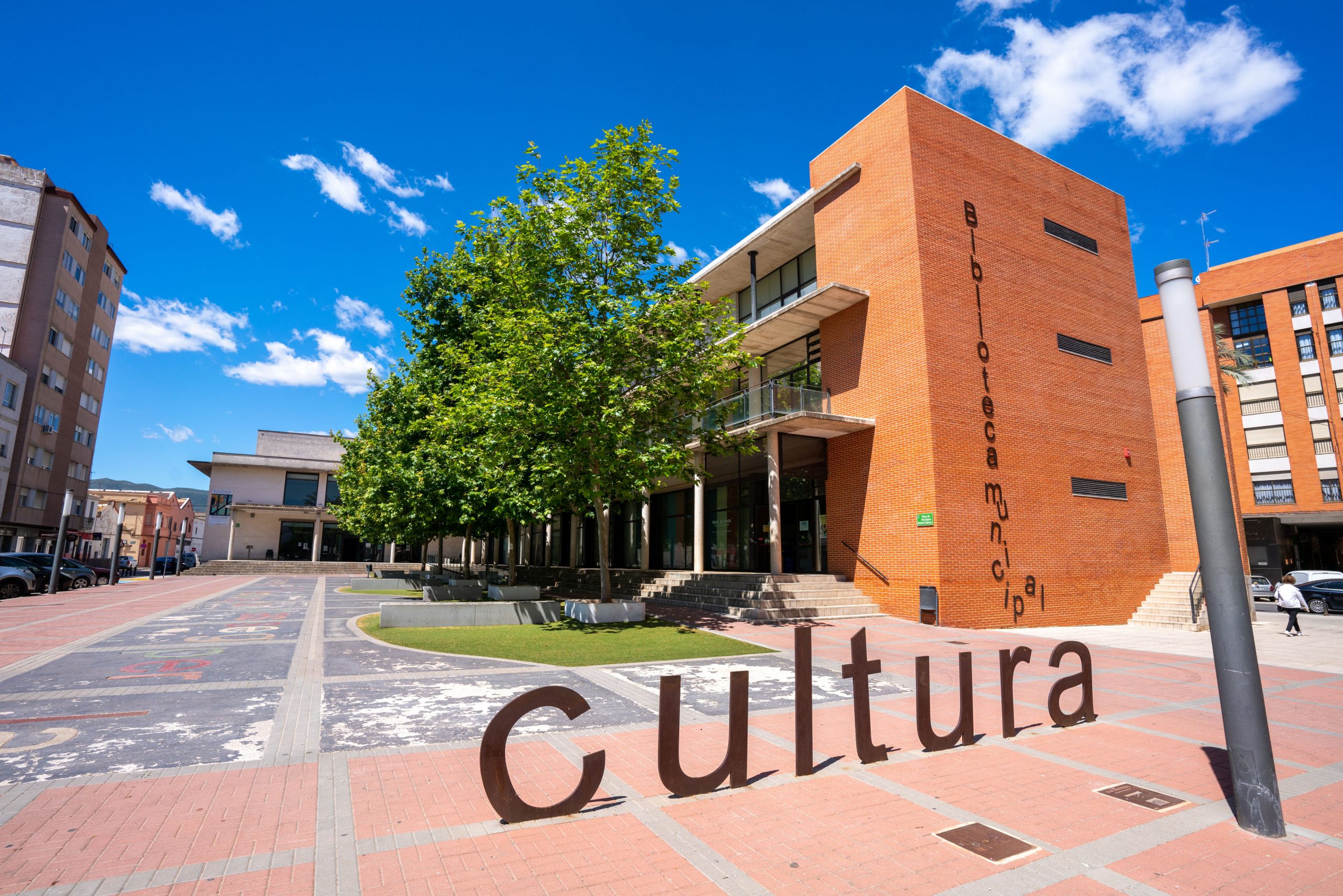 Facade and square
From municipal spaces to a dedicated cultural center
Before the current building existed, cultural activity in Tavernes relied on municipal spaces and facilities that were less concentrated. Documentation for the preliminary design competition mentions the Municipal Hall of Tavernes de la Valldigna, which helps show that public cultural venues already existed before the present building.
The creation of a dedicated cultural center was an important step: it brought public reading, cultural events, exhibitions and documentary memory together in a single facility. In other words, culture moved from being spread across several spaces to having a recognisable cultural center within urban life.
A recent history within urban heritage
The Cultural Center forms part of Tavernes de la Valldigna’s contemporary heritage. Its history helps read the city’s urban evolution in the late 20th century and its decision to bring culture, library services and public facilities together in one building.
A building designed to organise cultural life
The cultural center project was born from a clear need: to provide Tavernes with a cultural center capable of hosting a library, auditorium, exhibitions and municipal archive. Its value therefore lies not only in its architectural design, but also in the function it performs within the city.
Architectural documentation links the building to the 1989 ideas competition and to the development of the project during the 1990s. This context makes it possible to explain it as a piece of cultural modernisation: a public building created to make culture visible and facilitate public access to knowledge.
- Concentration of cultural services in a single facility.
- Public library as the main everyday use.
- Auditorium and rooms for programming, lectures and exhibitions.
- Municipal archive as a space linked to documentary memory.
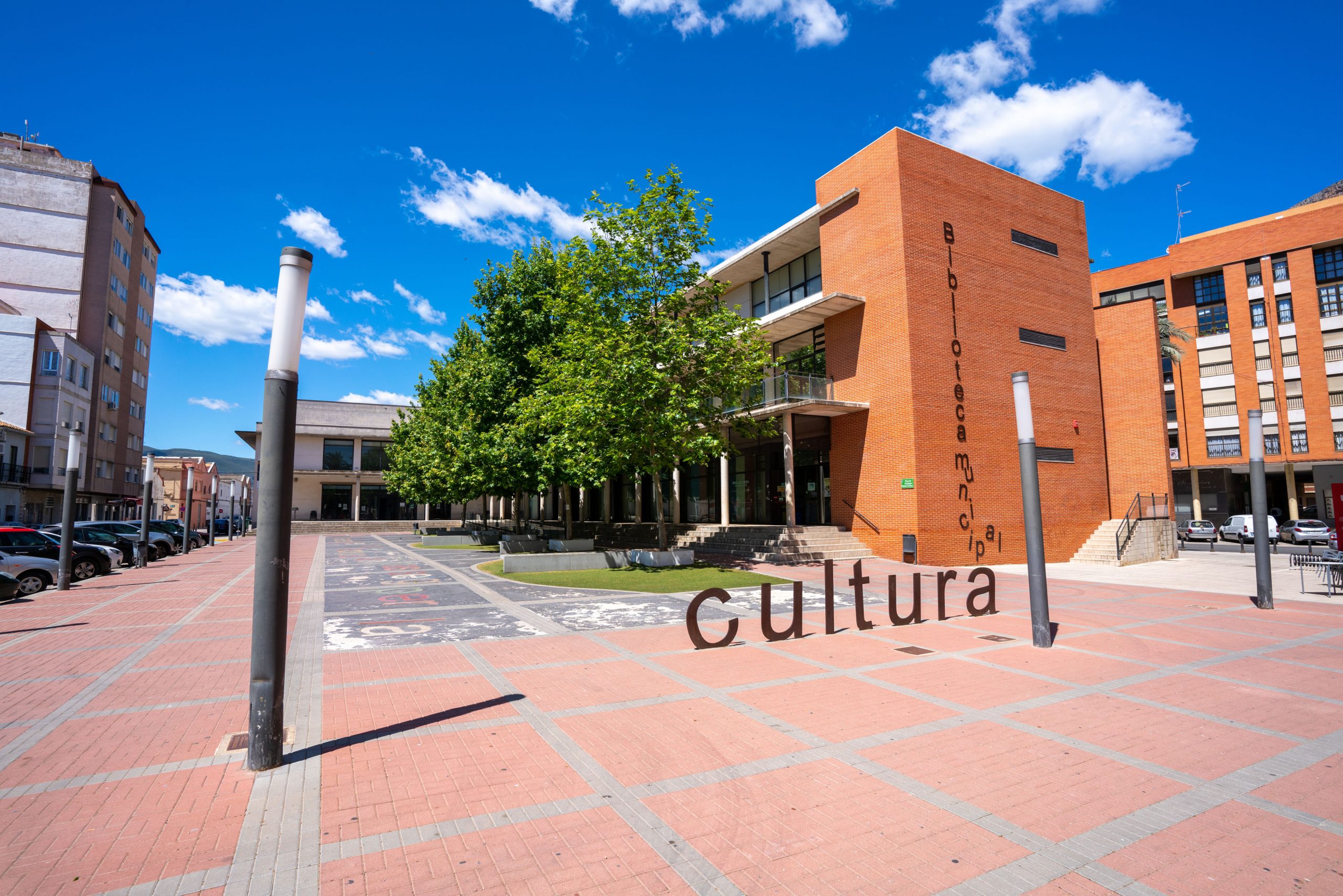 Cultural building
Library, auditorium, exhibitions and archive
The Cultural Center works as a public cultural center in constant use. Its tourist value lies in seeing how the city brings together public reading, stage programming, exhibitions, association activity and documentary memory in one place.
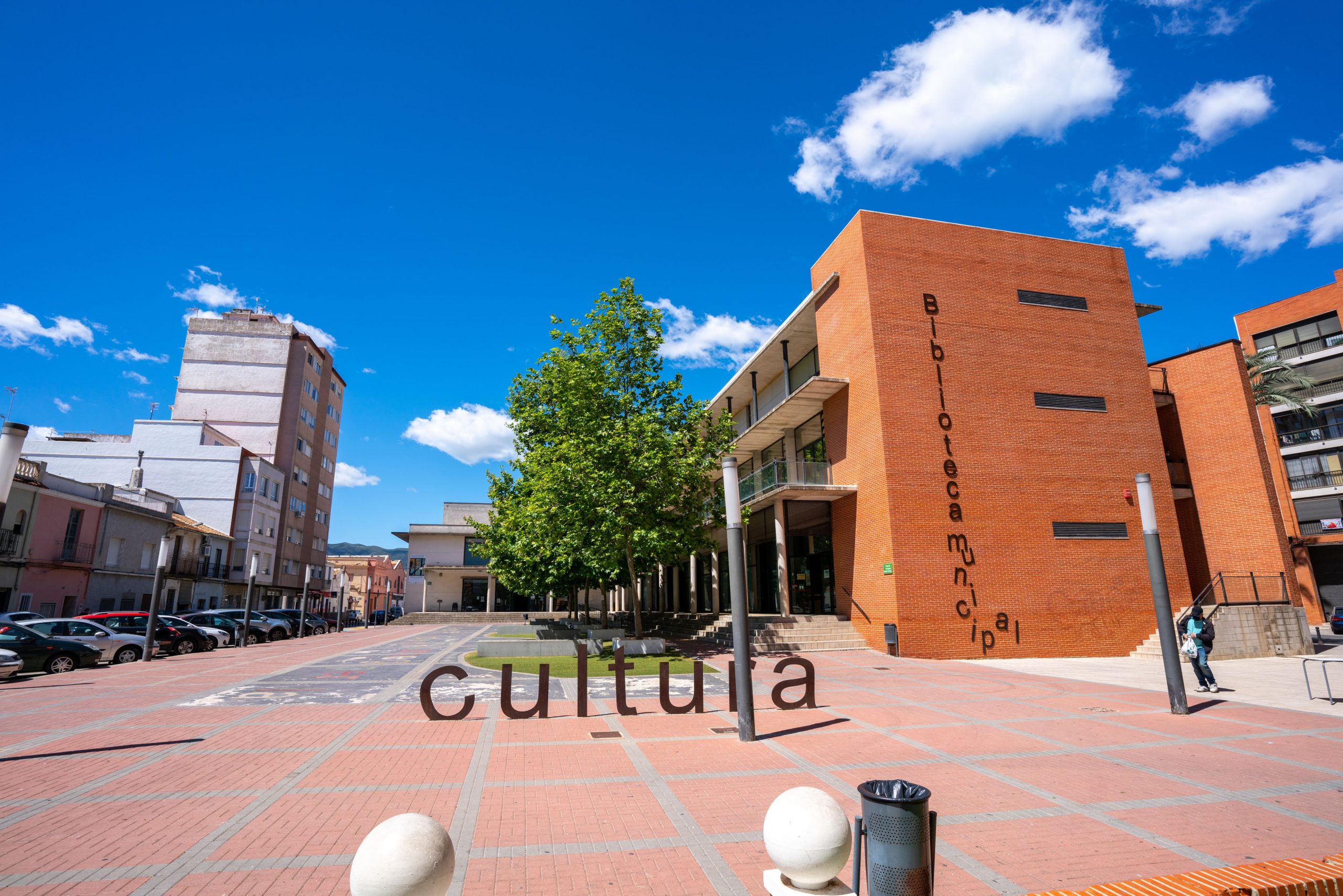 Municipal library
A resource for reading, studying and consulting
The Municipal Public Library occupies a central part of the Cultural Center. Its presence turns the building into an everyday space, used throughout the year by people looking for reading, information, study or activities linked to books.
Together with the municipal archive, the library reinforces a key idea for cultural tourism: Tavernes is not only visited for its historic buildings, but also for the places where it preserves, consults and shares its memory.
The Cultural Center should be understood as heritage in use: a contemporary building that continues to fulfil a public function every day.
A square with literary memory
The square where the Cultural Center and the Municipal Library stand was named Rafael Chirbes Square in tribute to one of the most important literary names linked to the city.
This detail adds a valuable tourist reading: the building not only brings together cultural services, but is also linked to the memory of Rafael Chirbes, a writer born in Tavernes de la Valldigna and a key figure in contemporary literature. Local culture, the library and literary memory are therefore connected in the same urban space.
Explore the Cultural Center in 360º
In addition to the in-person visit, the Cultural Center has a 360º tour. This resource lets you observe the building from another perspective and complete the tourist information before adding it to an urban route through Tavernes.
How to include it in a route through Tavernes
The Cultural Center fits especially well within an urban route through the centre. It can be combined with the City Council, the Church of Saint Peter, the Municipal Market, the Church of Saint Joseph and other emblematic buildings to complete a broader reading of the city.
It is a recommended stop for understanding cultural Tavernes: library, auditorium, exhibitions, municipal archive and literary memory brought together in the same cultural center.
Keep discovering Tavernes de la Valldigna
Complete your visit with the main sections of the tourist website: ideas for organising your day, urban heritage, history and route planning.
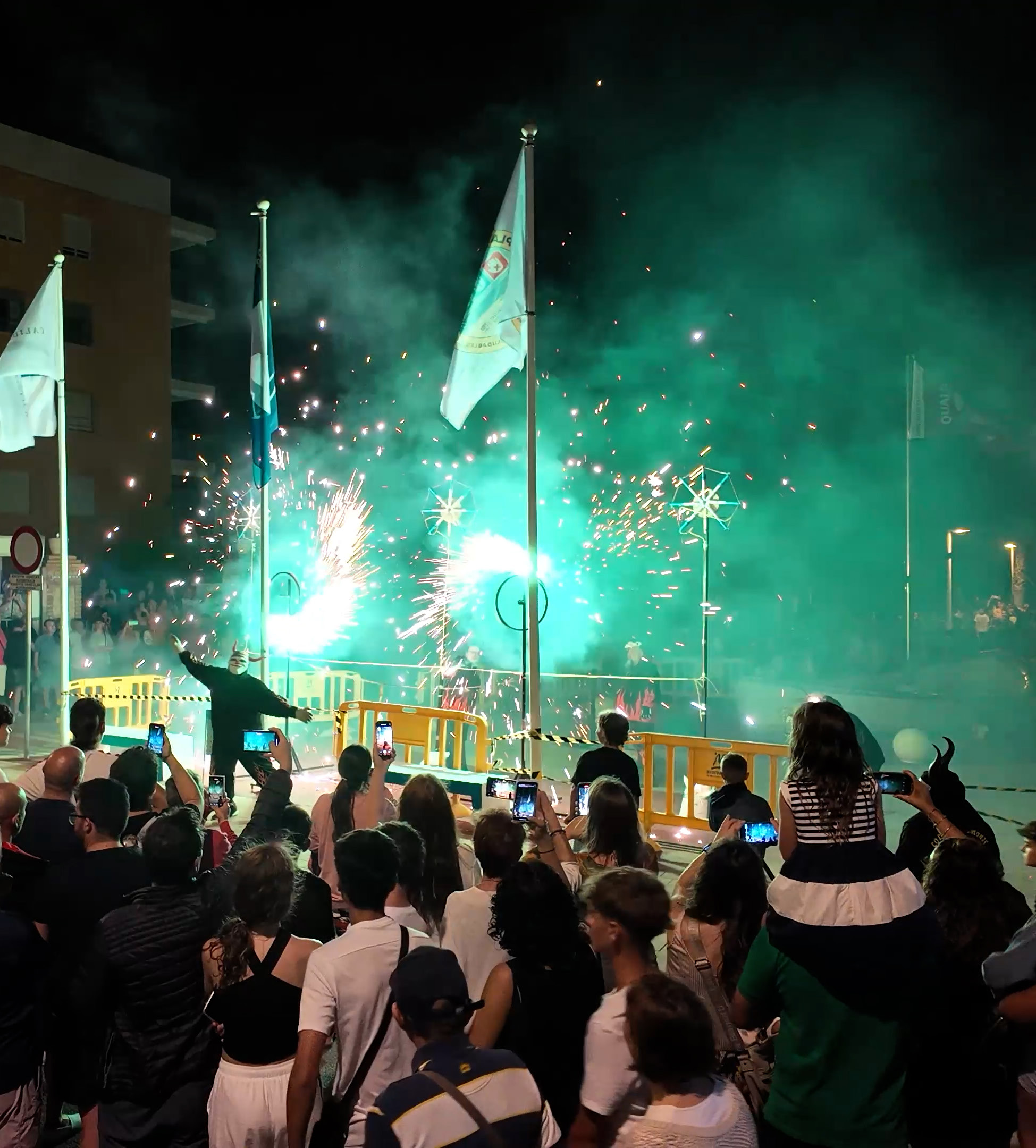
Things to do in Tavernes
Ideas for combining heritage, beach, nature, culture and plans during your visit.
See things to do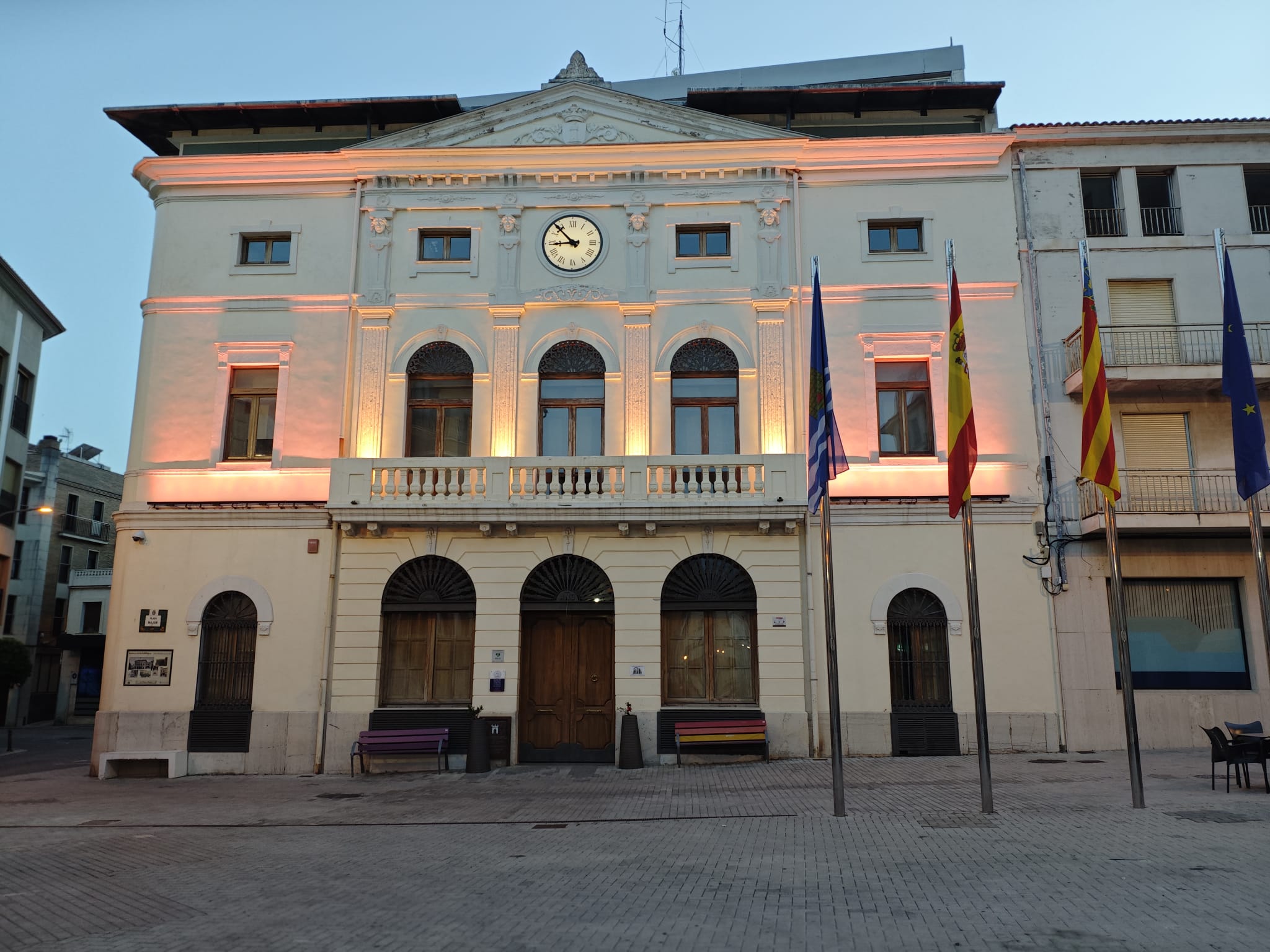
Emblematic buildings
The starting point for visiting churches, public buildings, cultural spaces and urban heritage.
See buildings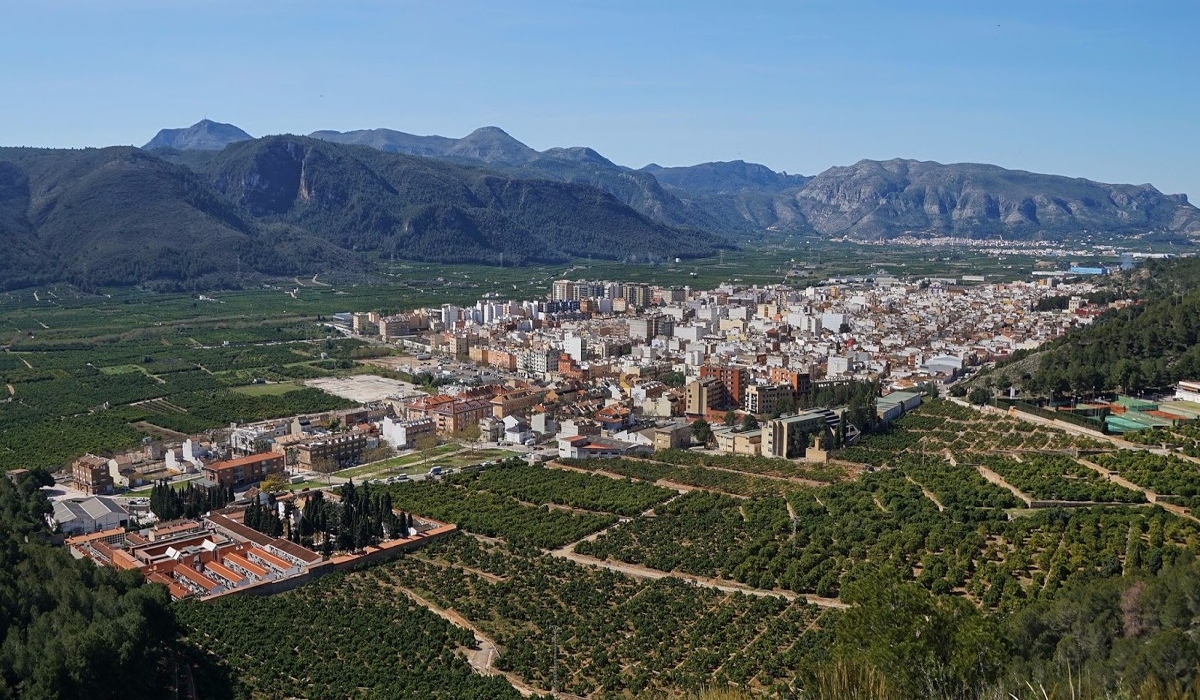
History of Tavernes
A look at the origins, urban evolution and historical memory of the city.
See history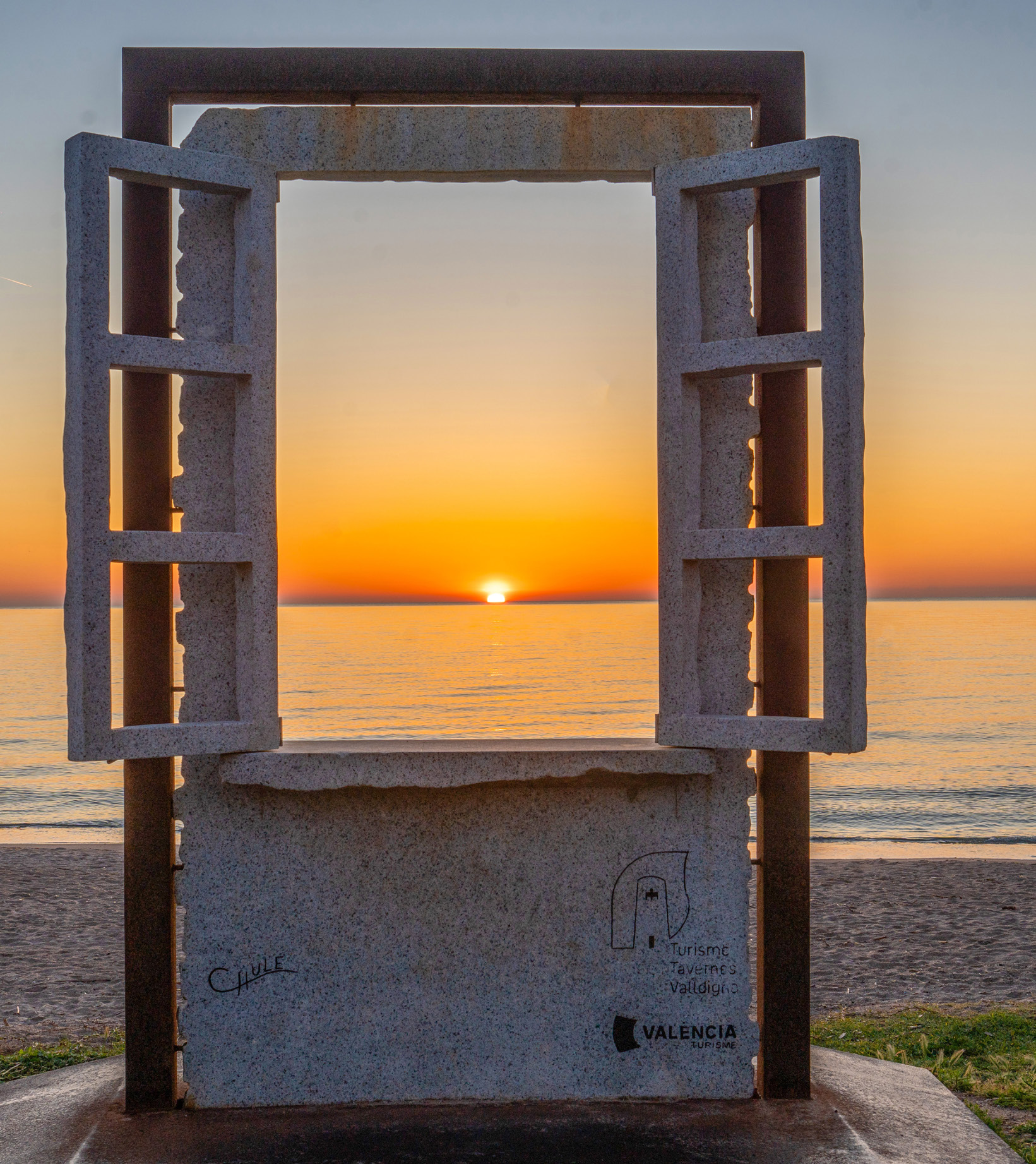
Travel planner for Tavernes
Organise a tailor-made route with heritage, beach, nature, gastronomy and culture.
Plan your visitImages to look at the Cultural Center in detail
The gallery remains at the end of the page, after the lower cards, and combines exterior views, access, interior and detail to avoid a sequence of images that look too similar.
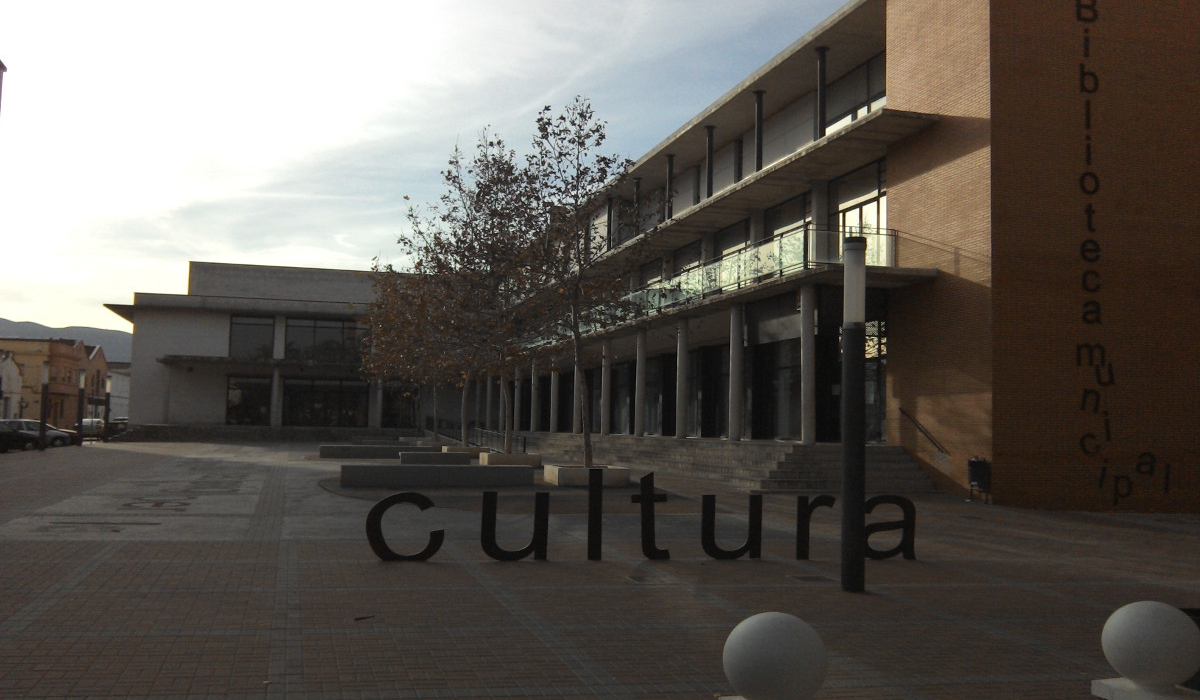
Facade and square
The image shows the relationship between the building and the public space around it.
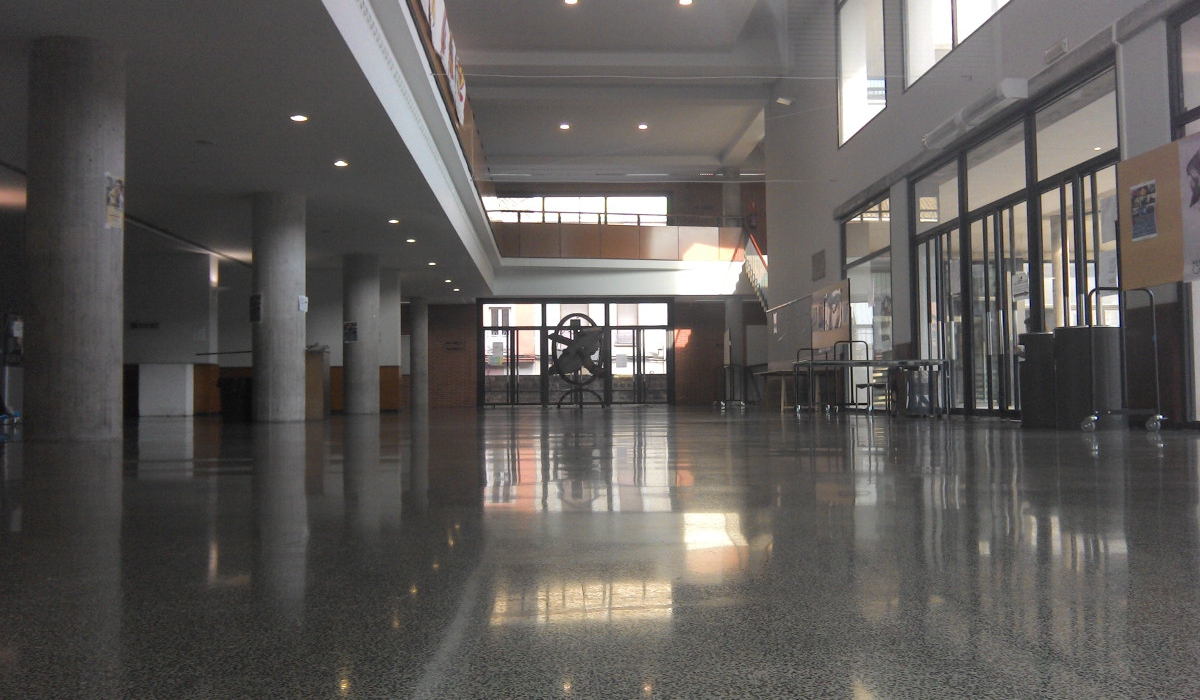
Main hall
The entrance hall organises access to the different cultural services.
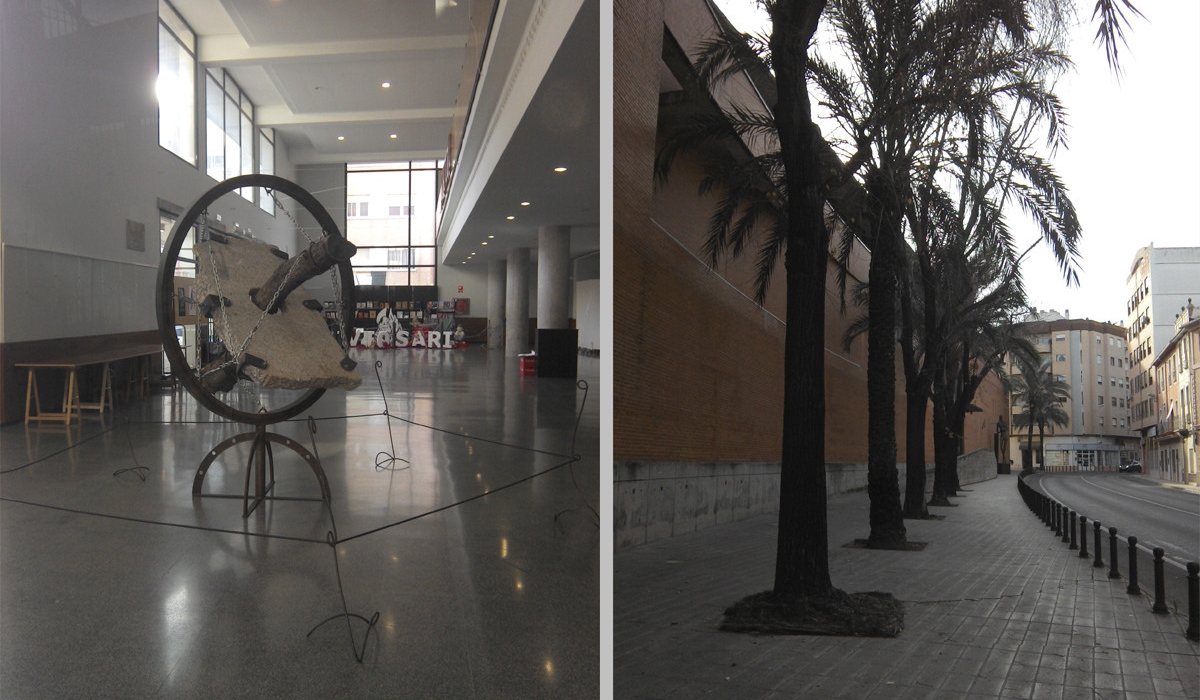
Double perspective
The composition shows the interior of the building and its relationship with the urban setting.
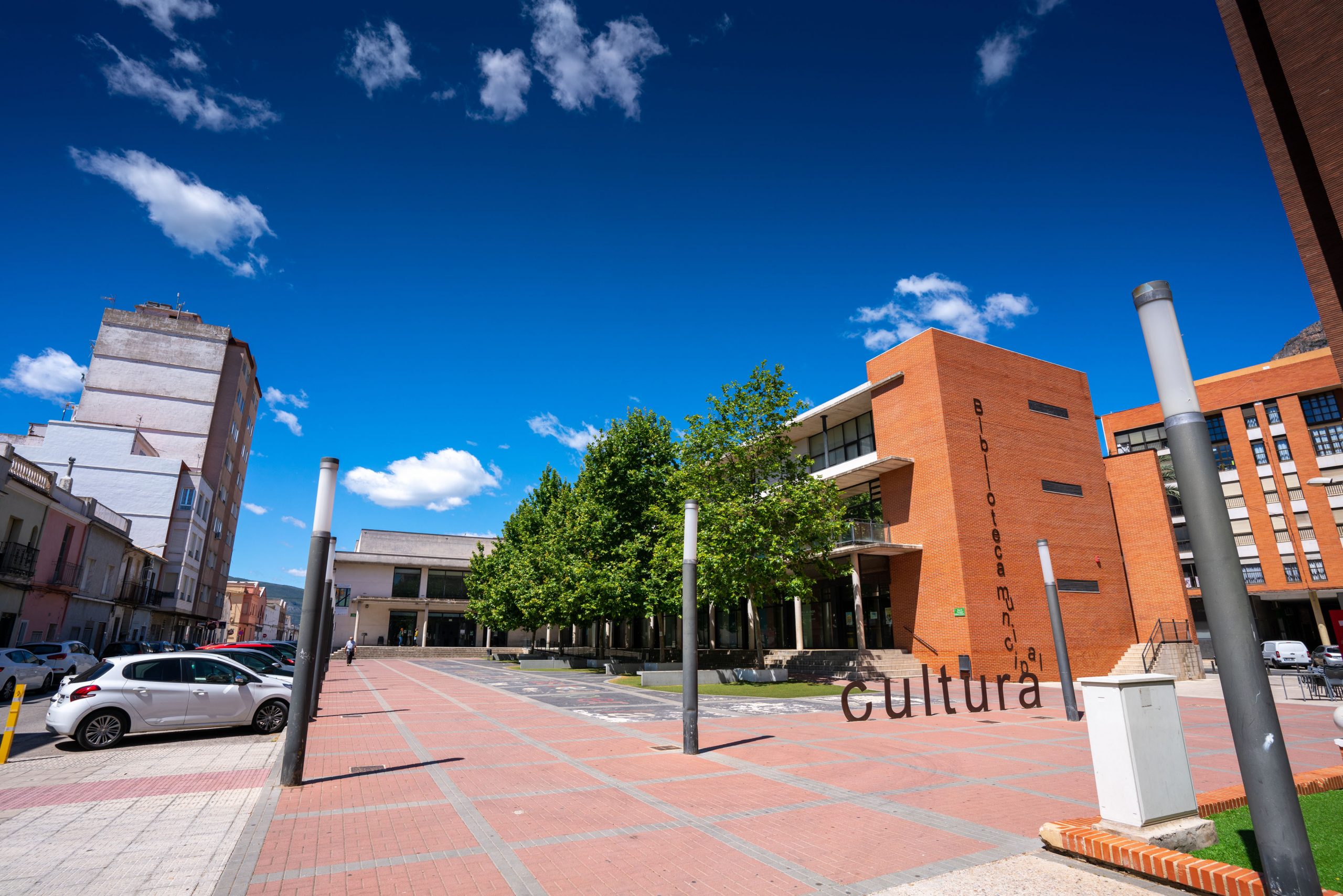
Cultural building
A complementary image to close the visual route through the facility.