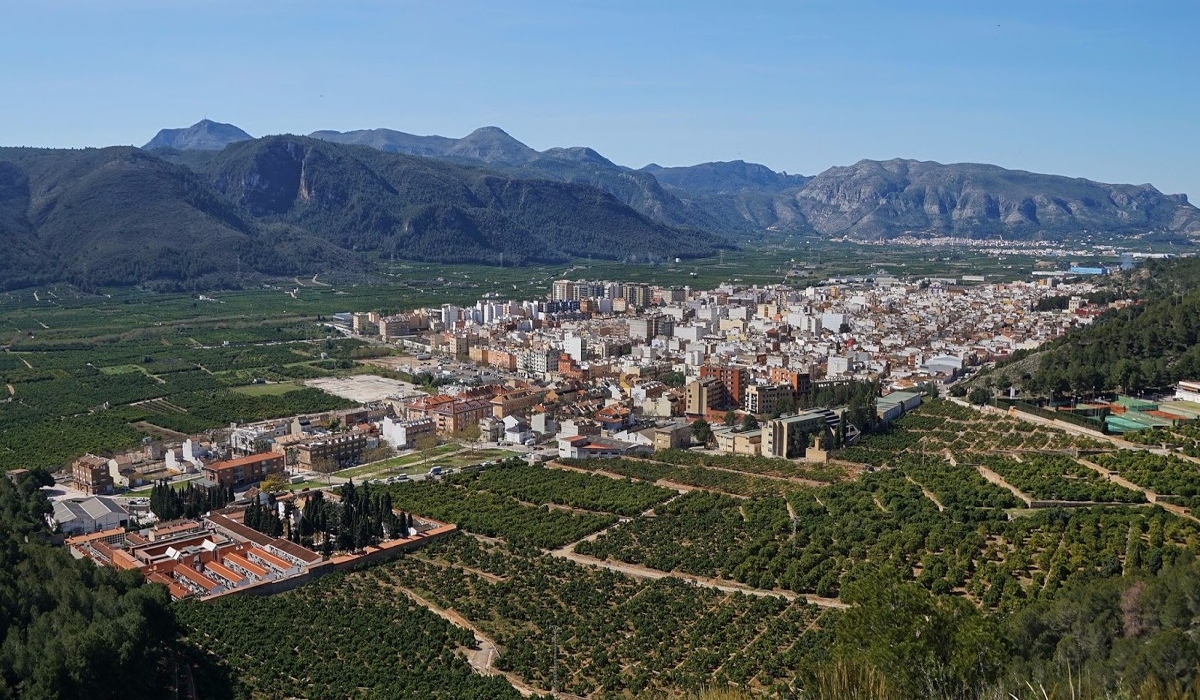


Saint Peter Church in Tavernes de la Valldigna
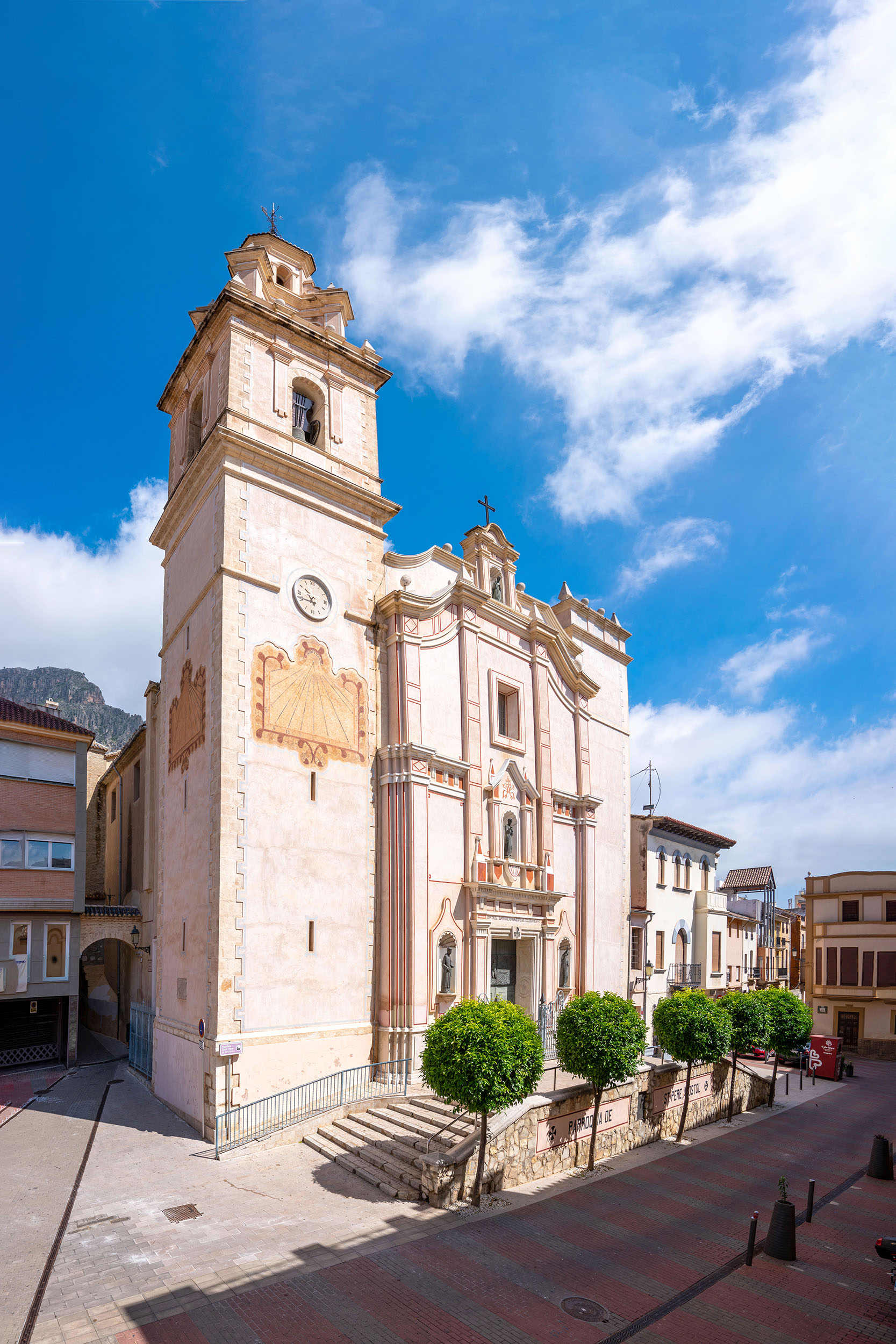
Saint Peter Church in Tavernes de la Valldigna is one of the main landmarks in the historic centre of the city. Located in the Church Square, it connects the urban history of Tavernes with its religious, artistic and community life.
The first stone of the current church was laid on 20 September 1744 and its main architecture was completed around 1750, although its decoration and several parts of the complex were completed in later stages.
Inside, the church stands out for its spaciousness, perimeter light, large dome, presbytery, side chapels, Communion Chapel, bell tower and its own museum, which preserves pieces linked to parish memory.
 Saint Peter Church
An 18th-century church for a growing city
Saint Peter Church is not only a religious building: it also helps explain the growth of Tavernes de la Valldigna, the consolidation of the city centre and the arrival of people from former local areas such as Ràfol, Ombria and Alcudiola.
1744: first stone
The church was built because the previous building could no longer accommodate a growing population. The first stone was laid on 20 September 1744 and the main architecture was completed around 1750.
Its location, on the sunny side and at the foot of the mountain of les Creus, strengthened Tavernes as a central place for local life.
A wide, open interior
The church belongs to the Rococo period. Instead of a more compartmentalised solution, the building gains height, removes interior columns and creates a wider, clearer and brighter space.
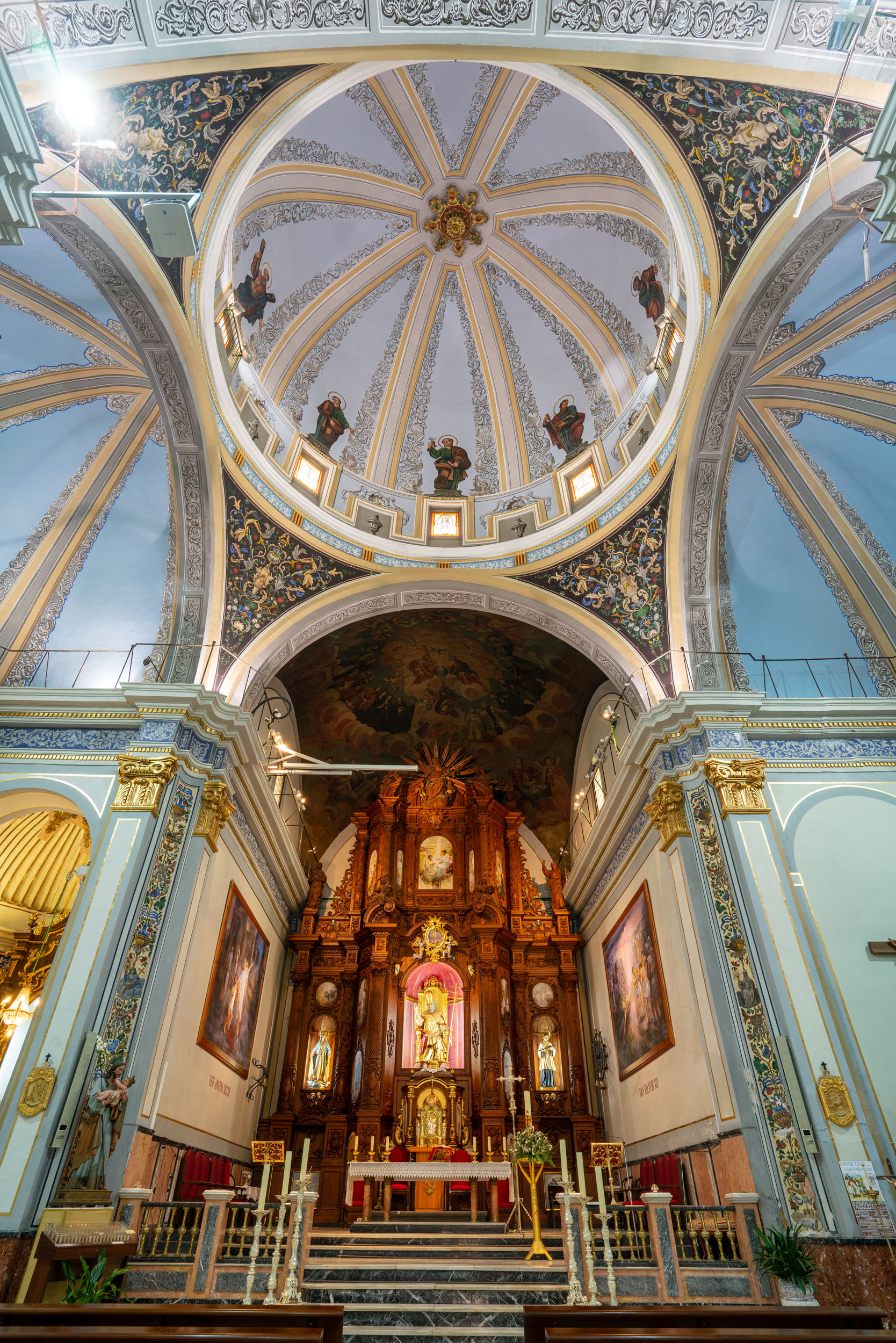
The interior vaults are organised through circular bodies that draw the eye upwards towards the dome, one of the most recognisable elements of the church.
Mural painting and decoration
In 1758, the painter Vicent Peris created the glory of the presbytery and the apostles of the dome, one of the most important religious mural decorations in the church.
The artistic reading continues through the side chapels, devotional pieces and elements that show how the building evolved beyond its initial construction phase.
Architecture, bell tower and Communion Chapel
Saint Peter Church brings together several layers of history: the large central space of the 18th century, a strongly defined bell tower, the Communion Chapel built in 1828 and later reforms to the main and side façades.
25 metres of interior height
The most slender part of the building is the large dome, with an interior height of about 25 metres and an approximate surface area of 260 square metres. Its scale creates a sense of spaciousness that is unusual in an urban heritage visit.
A structure with its own presence
The bell tower is one of the most solid and oldest parts of the complex. Its architectural reading suggests an independent body, reinforced by the rectangular windows visible on all four sides.
Communion Chapel
The Communion Chapel is an essential part of the church. It was built in 1828 and follows an academicist or neoclassical language, adding a later stage to the artistic story of Saint Peter.
 Dome and altar
The presbytery, the dome and the parish museum
The presbytery concentrates much of the liturgical and artistic reading of the church. Above it, Vicent Peris’ mural decoration and the presence of the dome turn the central area into one of the most important points of the visit.
The side chapels also deserve attention, as does the way light accompanies the nave. The visit makes more sense if the whole space is first observed from the entrance and then explored calmly along the sides.
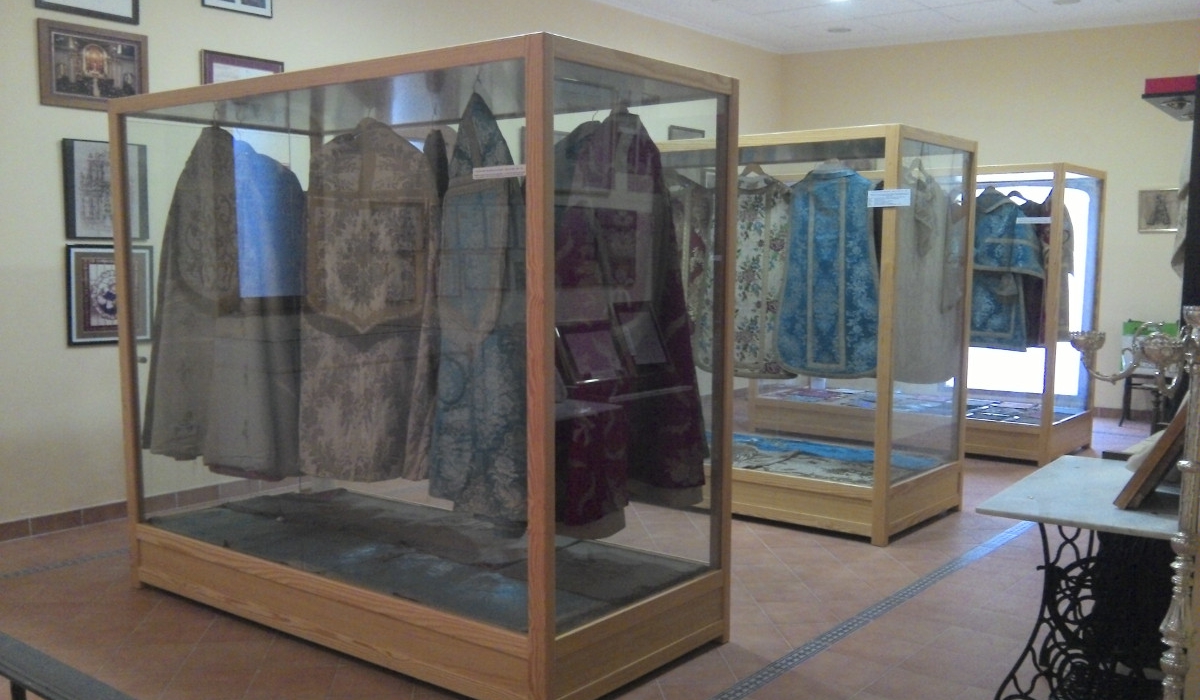
The church also has its own museum, with old pieces, incunabula, ceramics, paintings, religious vestments and other objects that help explain the living memory of the parish.
Façades, reforms and artistic contributions
The main façade and the side façade are also part of the heritage value of Saint Peter Church. Its current image is the result of reforms, rearrangements and artistic contributions that have enriched the complex.
The church in the square
The main façade gives character to the Church Square and makes Saint Peter Church a visual landmark in the historic centre. It is a key stop for understanding the relationship between church, square and city life.
José Esteve Edo
The reforms and rearrangements of the façades incorporated works by prestigious artists, including the sculptor José Esteve Edo, who added an artistic dimension to the exterior of the church.
Carme Machí
The ceramist Carme Machí is also part of this contemporary reading of the building, with interventions that connect tradition, artistic craft and heritage renewal.
Images to look at Saint Peter Church in detail
Exterior, chapels, altar and dome help explain why Saint Peter Church is one of the main stops in the urban heritage of Tavernes.
The square and the façade
The church is part of the Church Square and marks one of the most recognisable scenes in the historic centre.
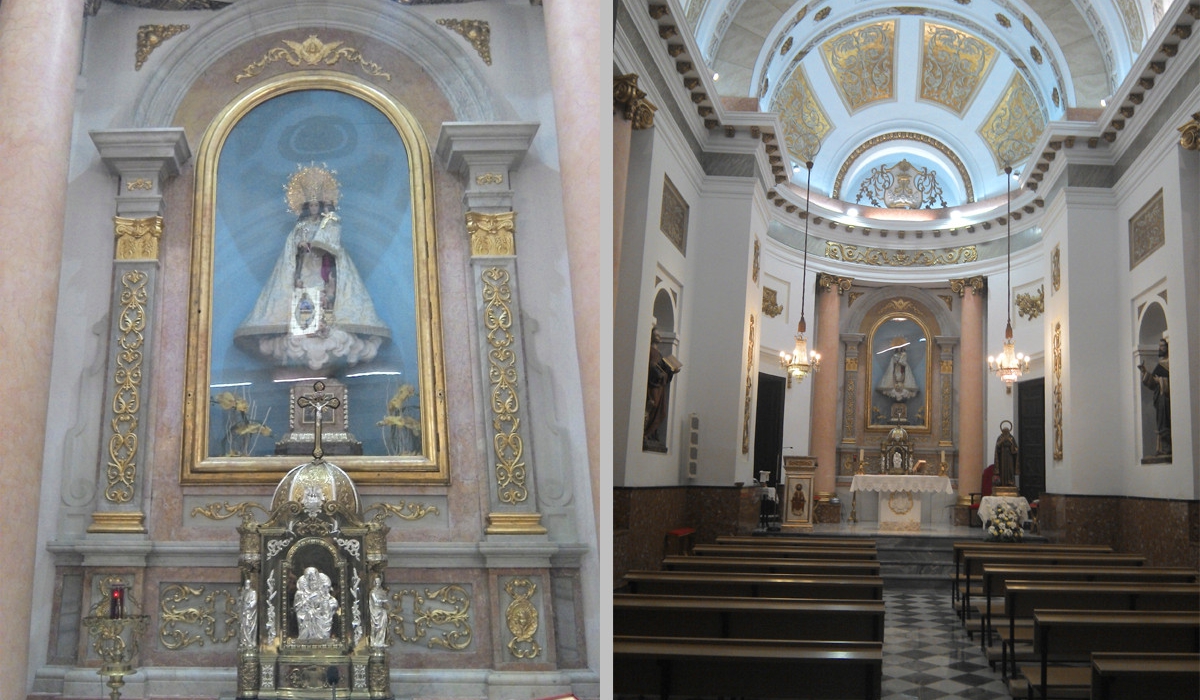
The east side
The side chapels reveal the devotional and artistic dimension of the church beyond the main nave.
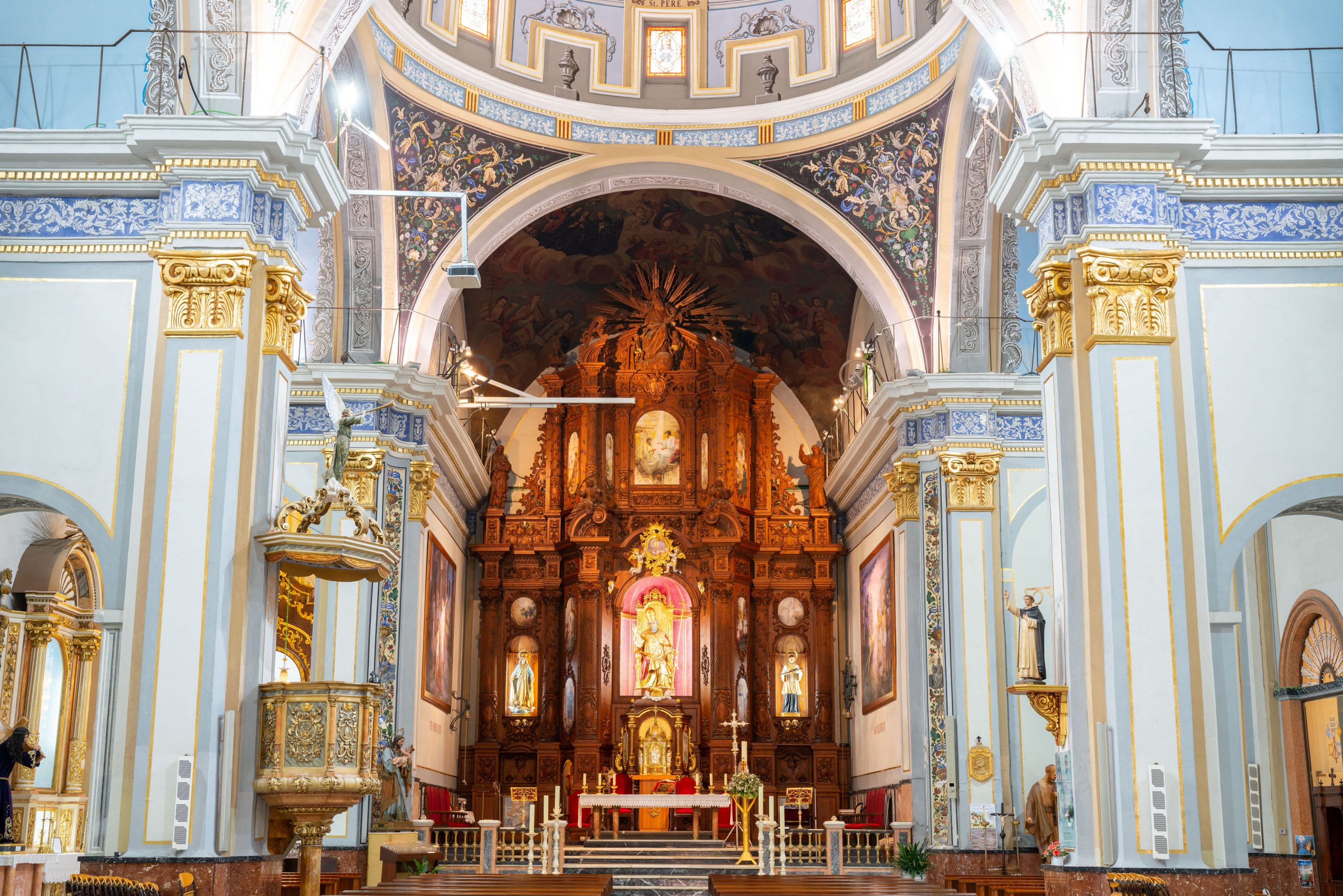
The presbytery
The altar and presbytery concentrate part of the liturgical, artistic and symbolic reading of the church.
Height and light
The dome reinforces the feeling of spaciousness and turns the interior into one of the most singular spaces on the route.
Visits inside Saint Peter Church
A visit inside makes it easier to understand the living history of Saint Peter Church: the nave, the presbytery, the dome, the side chapels, the Communion Chapel and the parish museum provide a more complete reading than the exterior alone.
Visits take place on Thursday mornings, from 10:00 to 12:00. For other days or times, an appointment must be arranged in advance.
The contact person indicated for arranging the visit is Don Miguel Andrada, who shares the history of the building with detail and dedication.
Keep exploring Tavernes
Complete your visit with the main pages that help organise your route through the city: things to do, travel planner, emblematic buildings and the history of Tavernes.
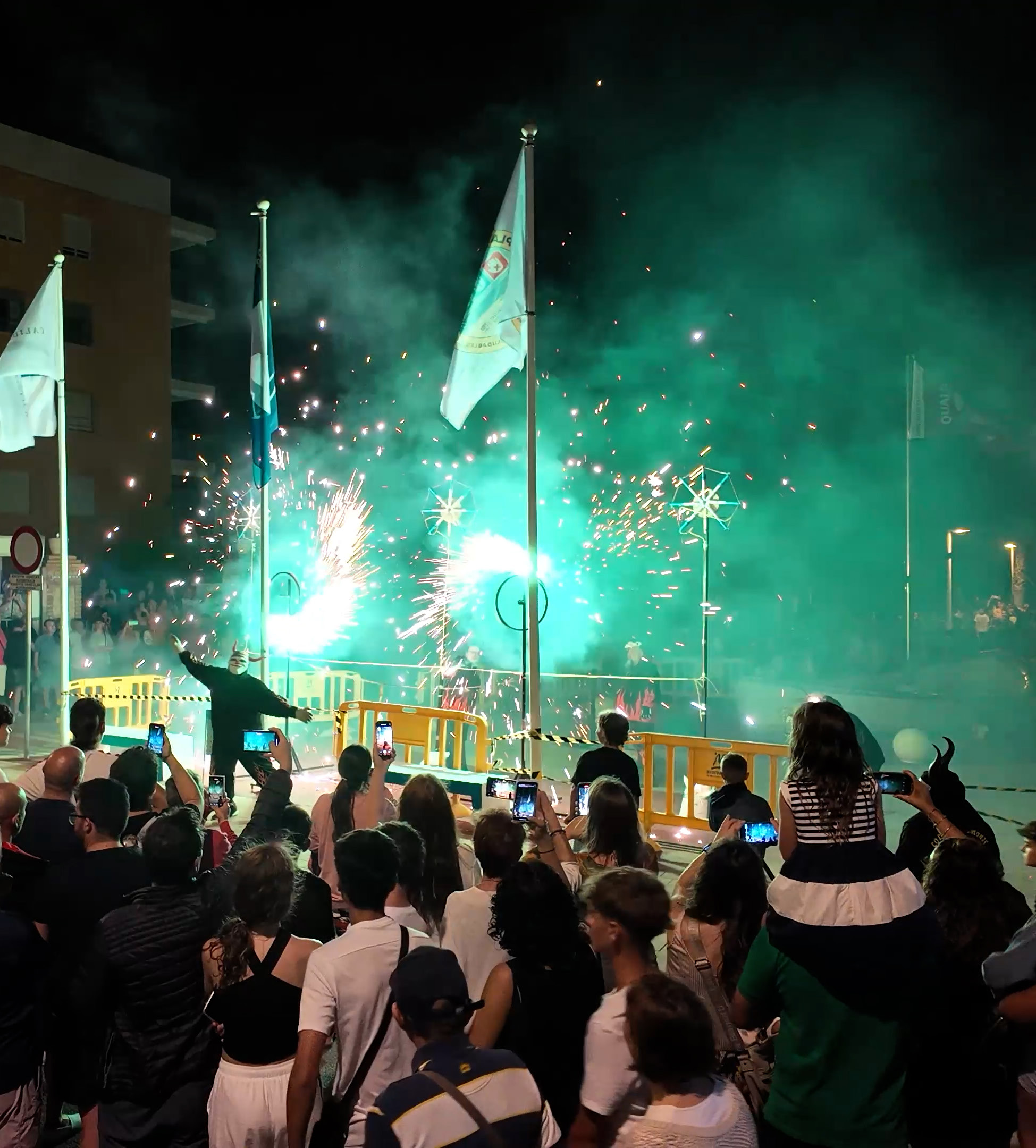
Things to do in Tavernes
The main page to discover experiences, plans and ways to enjoy the city during your visit.
See things to do
Travel planner for Tavernes
Organise heritage, beaches, nature, festivals and gastronomy in a route adapted to your visit.
Plan your visit
Emblematic buildings
The main guide to churches, cultural spaces, defensive heritage and places with memory.
See the route