



Hermitage of Saint Llorenç de l’Alcudiola
The Hermitage of St Llorenç de l’Alcudiola is one of the places that best explains the relationship between Tavernes de la Valldigna, its former farmsteads and the religious memory of the territory. Its history brings together a settlement of Muslim origin, the Christianisation of the valley, a former hermitage that has disappeared and the present-day hermitage in the natural surroundings of Racó de Joana.
The site recalls l’Alcudiola, an alqueria that existed before present-day Tavernes and was linked to the agricultural and livestock use of the land. Today, a visit brings you closer to a history that is not preserved only in stone: it also lives on in the pilgrimage, the Porrat de St Llorenç and the memory of the people who continue to go up there every 10 August.
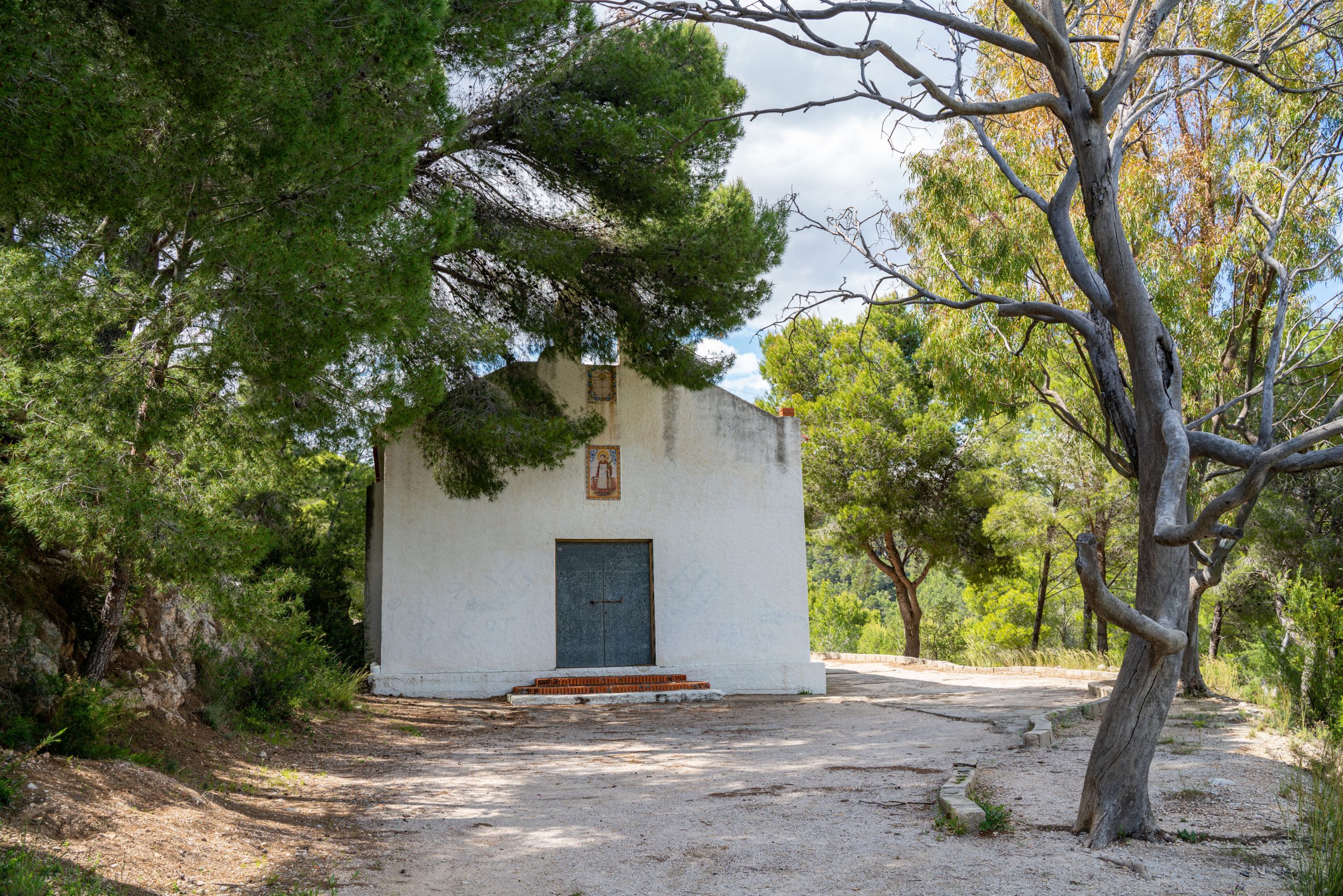 Hermitage of St Llorenç
What to know before visiting
St Llorenç offers two ways of reading the place: the historical one, linked to old l’Alcudiola and the hermitage that once stood in El Teularet; and the present-day one, connected with Racó de Joana, the recreational area and the surrounding views.
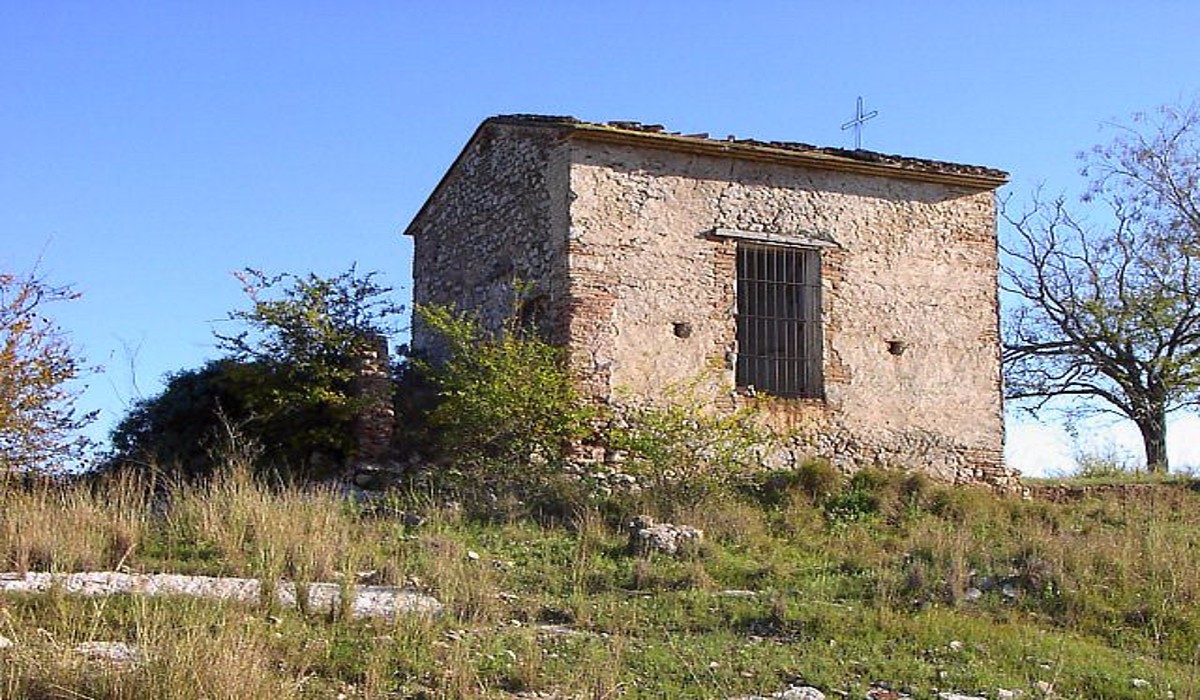 Old hermitage
The heart of old l’Alcudiola
Old l’Alcudiola was one of the alquerias that helped organise the area before Tavernes became the main urban centre. Like other small settlements of Muslim origin, it was linked to agricultural work, the use of the surrounding land and a network of paths connecting La Valldigna.
After the Christian conquest, the site continued to be used and eventually became linked to the worship of St Llorenç. Local tradition relates the old hermitage to the base of an Arab mosque, an interpretation that fits the Islamic origin of the area’s alquerias and the religious transformation of the territory after Christianisation.
The Hermitage of St Llorenç is not just a small sanctuary: it is a gateway to the history of the disappeared alquerias of La Valldigna.
From medieval alqueria to present-day hermitage
The history of St Llorenç is best understood as a succession of layers: the Islamic alqueria, the Christian church, the old hermitage of El Teularet, its disappearance during motorway construction works and the building of the present-day hermitage at Racó de Joana.
Burials, ceramics and remains of the old hermitage
The excavations carried out at the old hermitage provided valuable information for understanding the site. Inside, the remains of 16 Christian burials linked to the crypt were found, and three more graves were documented outside.
The archaeological survey also recovered ceramic remains, jewellery and rosaries, materials that help interpret the occupation of the site and its religious use. The coexistence of the Islamic memory of the alqueria and the Christian burials makes l’Alcudiola a particularly interesting place for explaining the historical evolution of La Valldigna.
- Old alqueria of Muslim origin.
- Possible base of a mosque transformed into a Christian space.
- Crypt with Christian burials.
- Finds of ceramics, jewellery and rosaries.
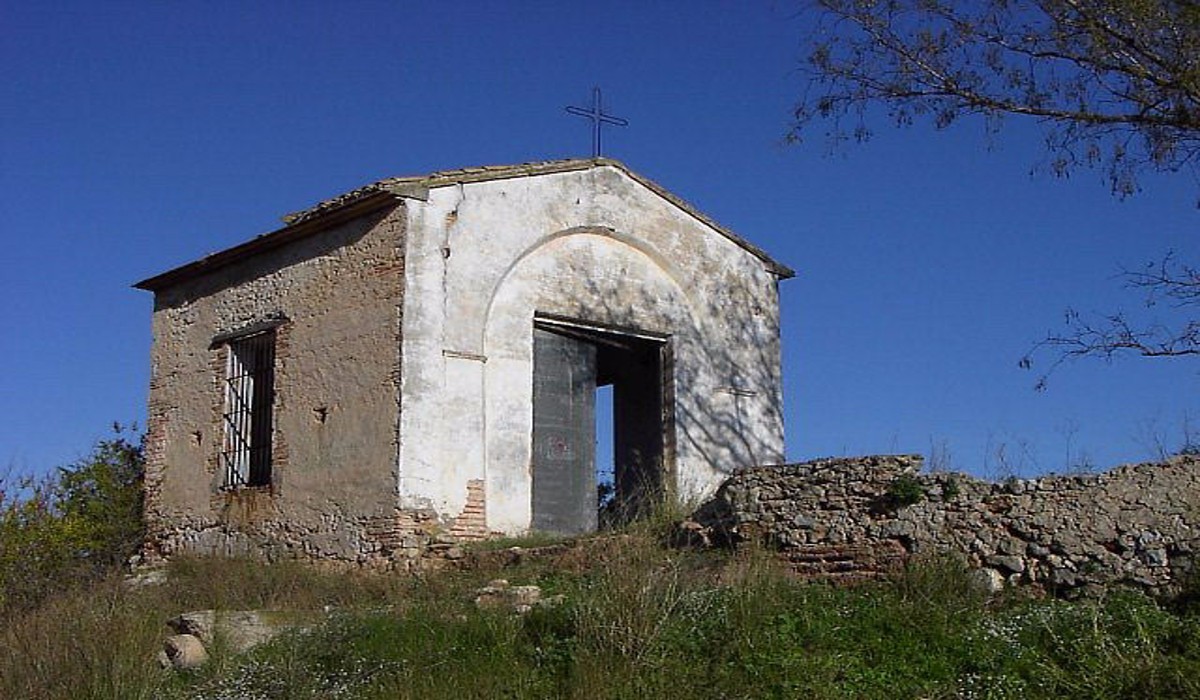 Memory of l’Alcudiola
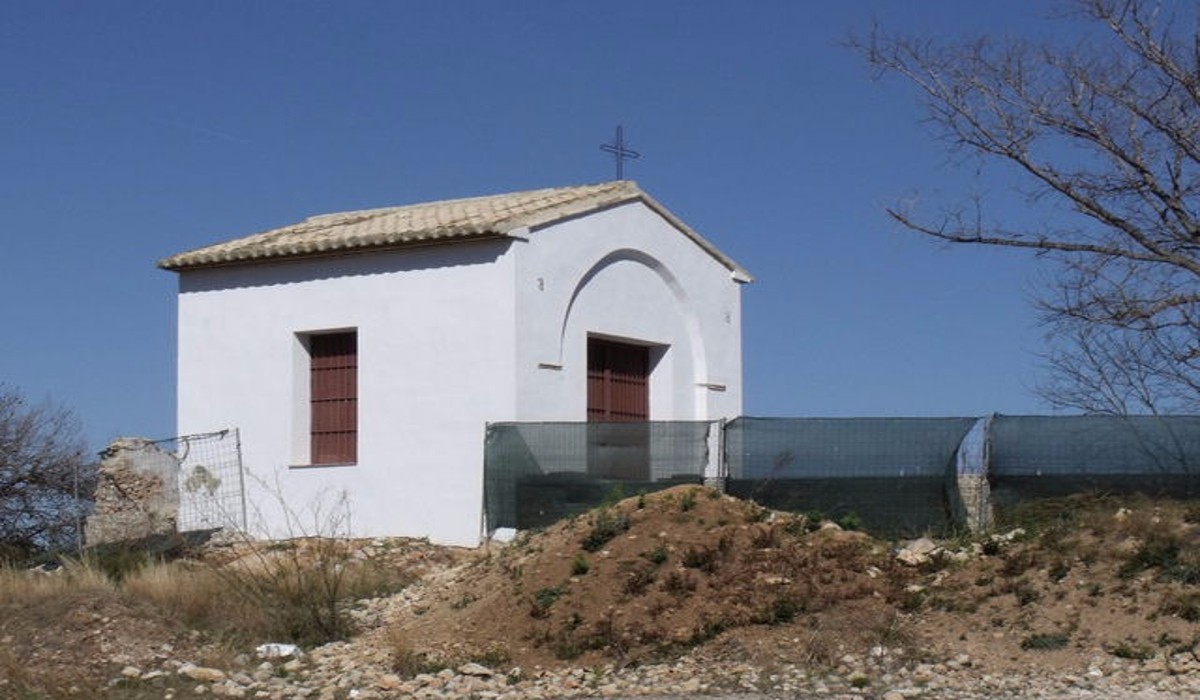 Hermitage of l’Alcudiola
A simple hermitage with a rectangular plan
The old hermitage was described as a rectangular building, with pebble walls and whitewashed masonry. Its language was very austere: a gabled roof, a simple doorway, side windows and a metal cross as the main feature of the facade.
Inside, the space was lit by large rectangular windows. The ceiling had beams, the built altar stood on a small step, and the end wall held the niche for the image of St Llorenç.
Its architectural simplicity is part of its value: it reflects a rural, alqueria-based and wayside religiosity, very different from the large urban churches.
Racó de Joana: landscape, pilgrimage and meeting point
The hermitage visited today stands in the Racó de Joana area, a natural setting accessible on foot and by vehicle. The building is modest, but its location makes it a much-loved meeting point for the people of La Valldigna.
The site combines a sanctuary, a recreational area, views and access to nearby routes. For this reason, the visit can be planned either as a heritage stop or as part of a short nature itinerary in Tavernes, especially if it is linked with the viewpoint and the paths in the area.
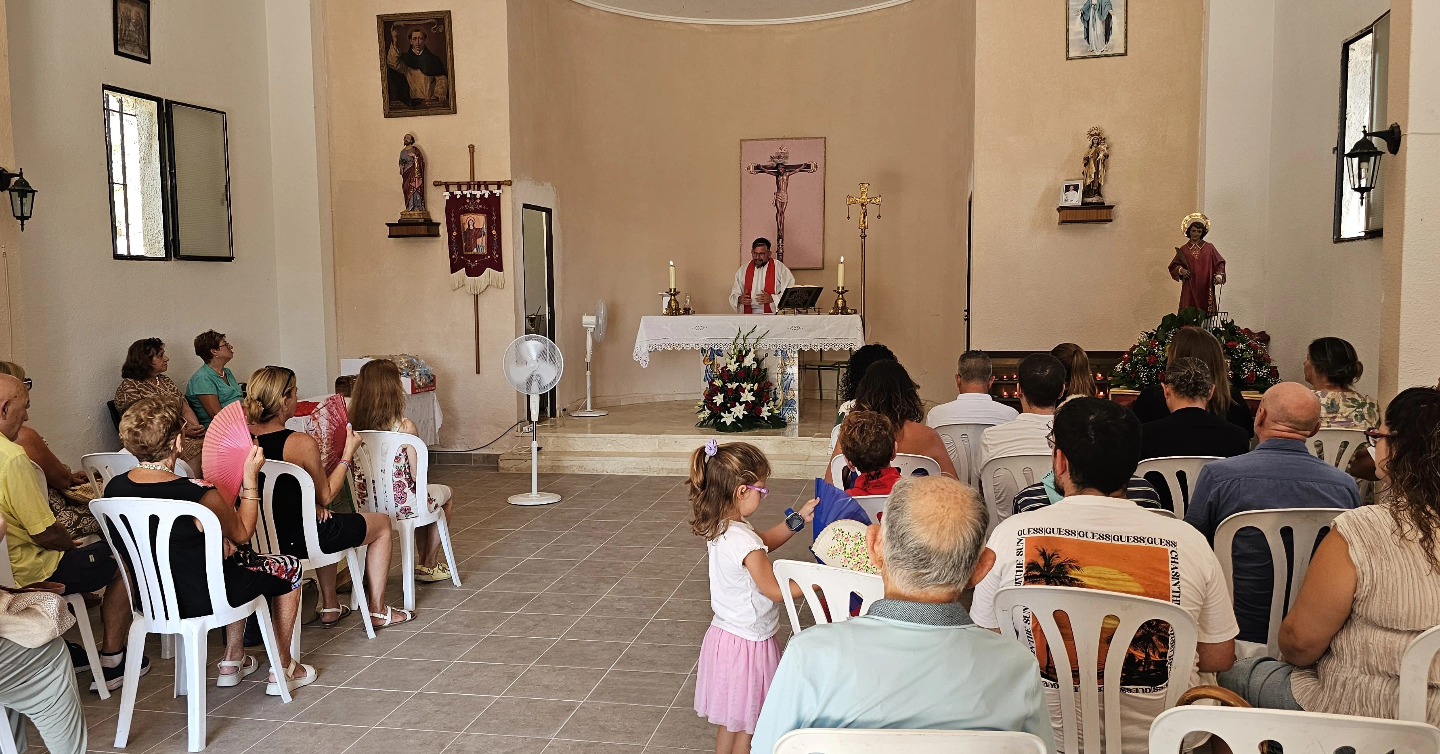 Present-day interior
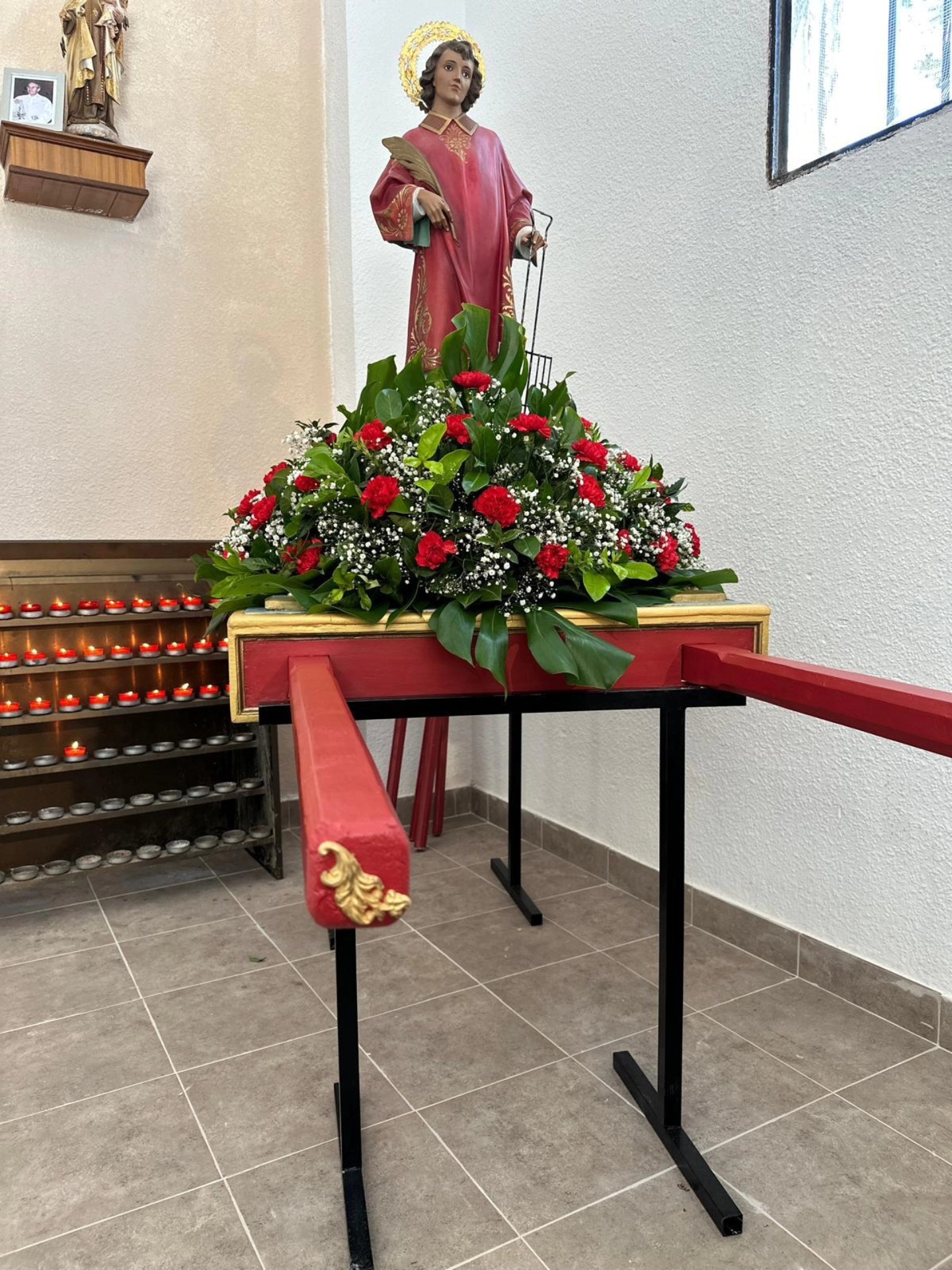 St Llorenç
10 August: pilgrimage and Porrat de St Llorenç
The memory of St Llorenç remains alive every 10 August. On that day, the pilgrimage and the porrat bring residents and visitors together around the hermitage, turning the setting into a place of community, devotion and popular tradition.
The celebration connects with an old practice: residents of Tavernes and Favara used to go to the hermitage on pilgrimage. Over time, each town created its own devotional spaces, but the reference to l’Alcudiola and St Llorenç remained part of the shared memory of La Valldigna.
On the tourism website, St Llorenç fits both within emblematic buildings and within the calendar of popular traditions.
How to include it in a route around Tavernes
A visit to St Llorenç can be organised as part of the emblematic buildings route, but also as a short outing into nature. Racó de Joana brings together religious heritage, a recreational area, paths, a viewpoint and views over the valley.
To complete the experience, visitors can consult the general 360º resource for Tavernes and connect the visit with the history of the city, old l’Alcudiola and the popular traditions section.
Keep discovering Tavernes
Complete your visit with the main sections of the tourism website: ideas for organising the day, urban heritage, history and route planning.

Things to do in Tavernes
Ideas for combining heritage, beach, nature, culture and plans during your visit.
See things to do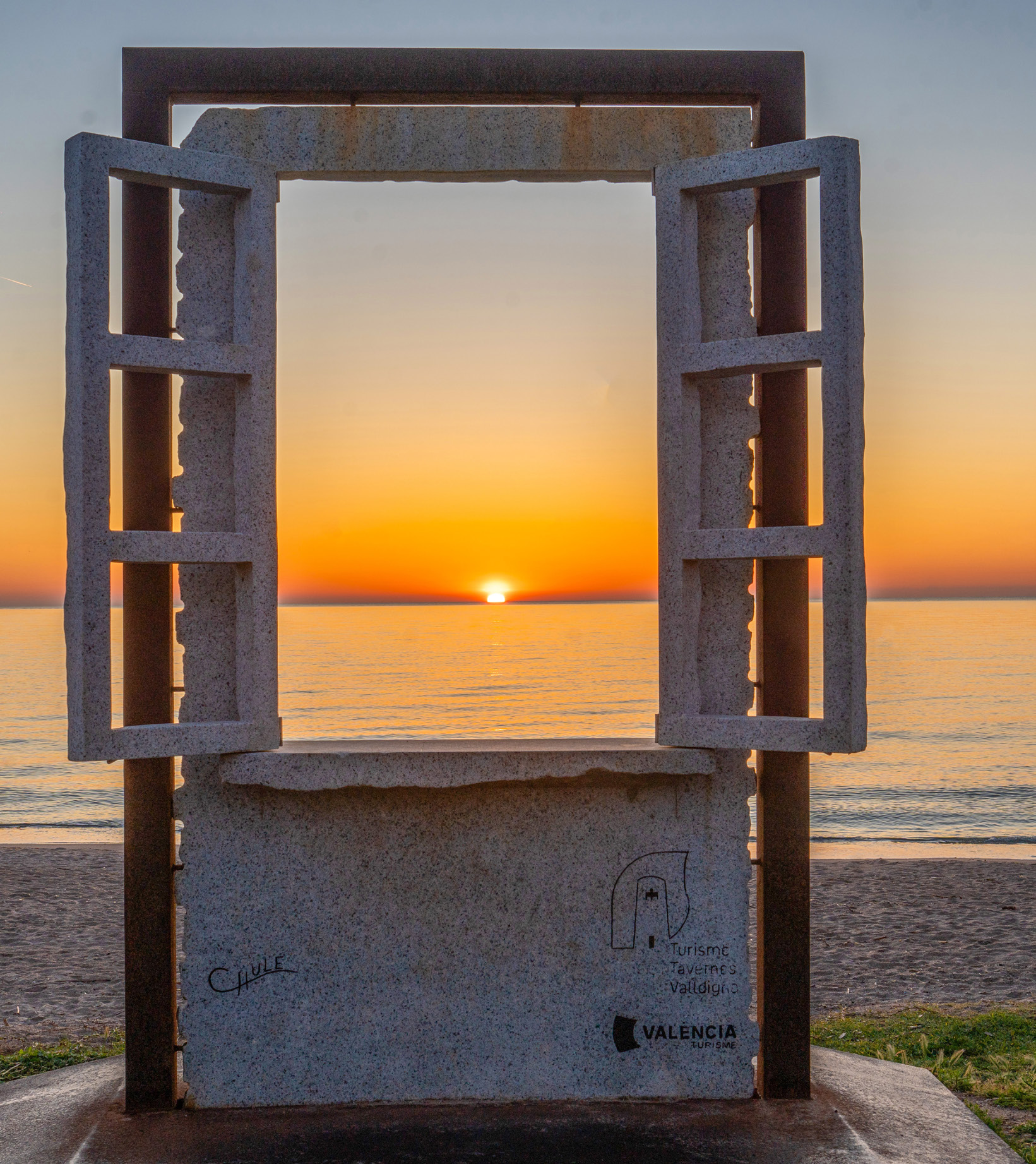
Travel planner for Tavernes
Organise a tailor-made route with heritage, beach, nature, gastronomy and culture.
Plan your visit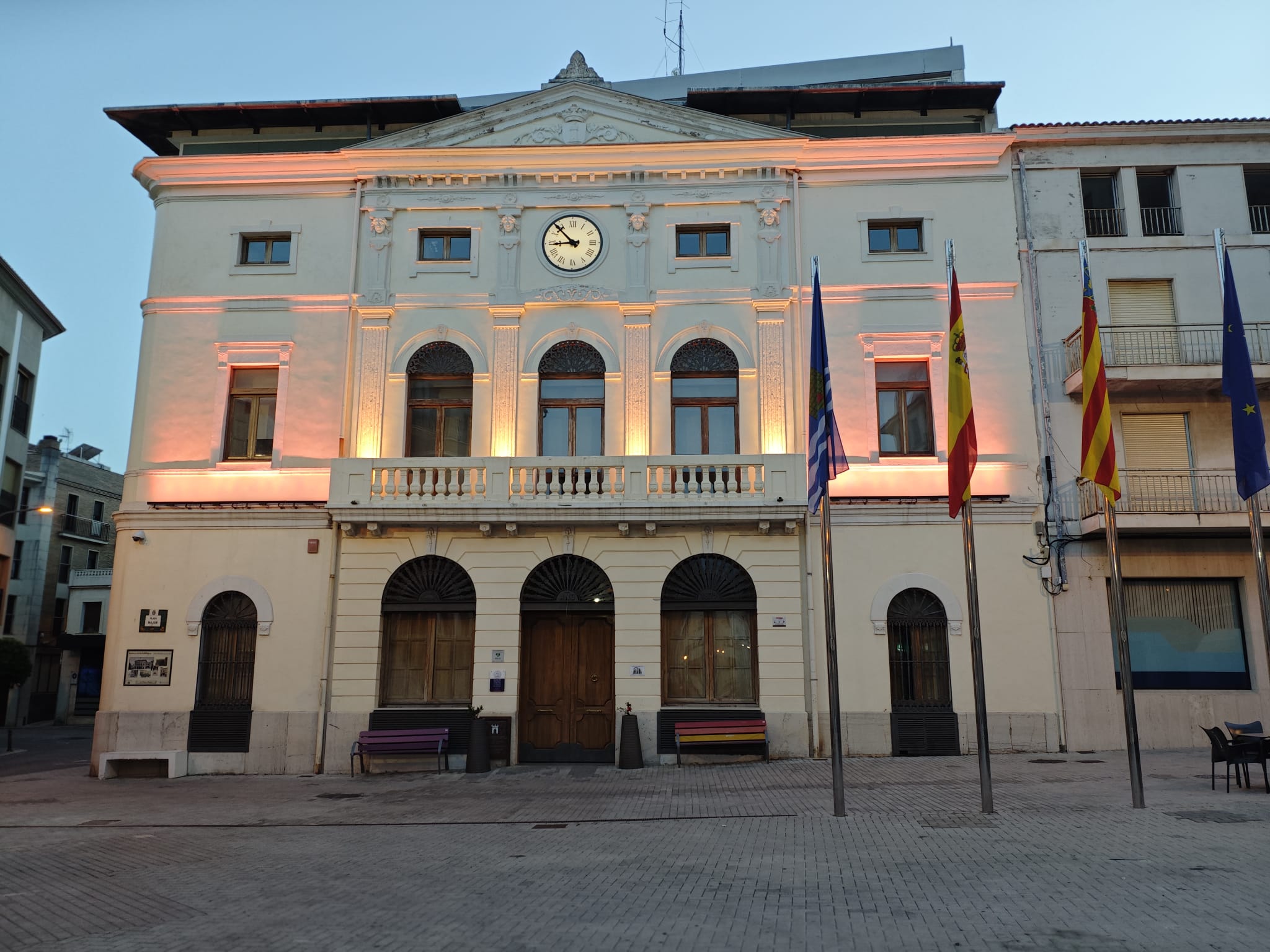
Emblematic buildings
The starting point for exploring churches, public buildings, cultural venues and urban heritage.
See buildings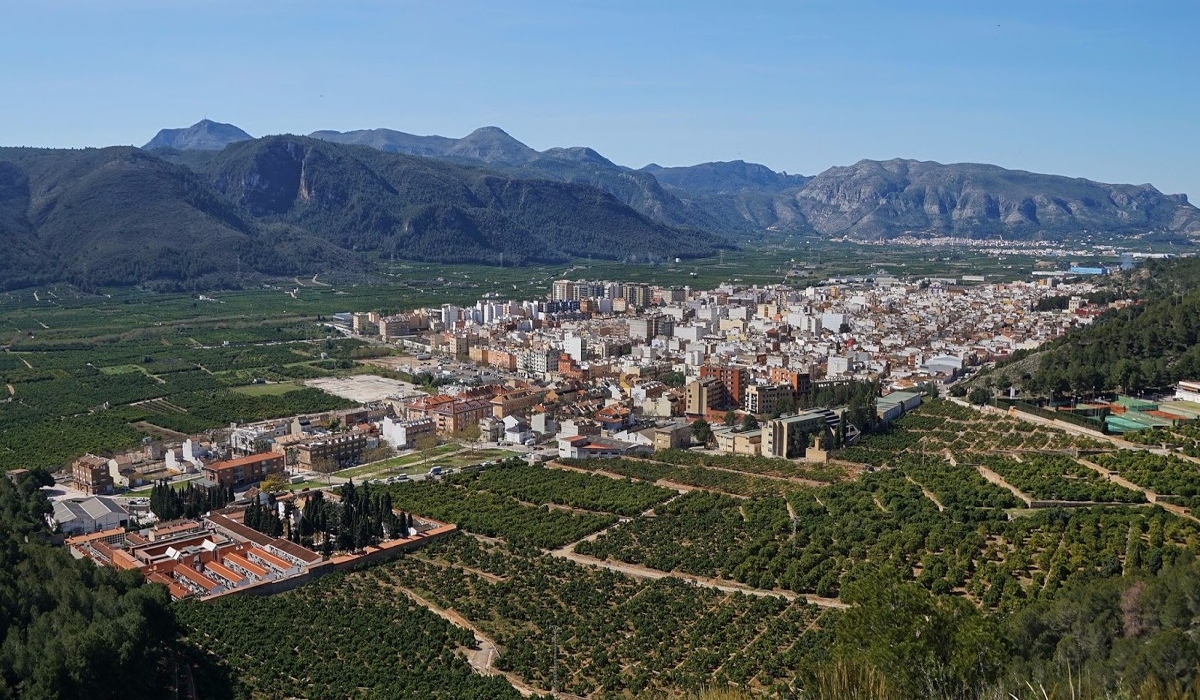
History of Tavernes
A look at the origin, urban evolution and historical memory of the city.
See historyImages of St Llorenç and l’Alcudiola
The gallery brings together present-day images of the hermitage and old photographs that help preserve the memory of old l’Alcudiola.
Present-day hermitage
The hermitage that can be visited today in the natural setting of Racó de Joana.
Place of worship
A simple interior that preserves the devotional dimension of St Llorenç.
St Llorenç
The image recalls the dedication that gives meaning to the pilgrimage and the porrat.
Old hermitage
An image linked to the memory of the old site of l’Alcudiola.
Painted hermitage
An image that helps keep the former, now disappeared hermitage visible in memory.
A lost site
The memory of the old hermitage connects with the medieval history of Tavernes.