

Fallas in Tavernes de la Valldigna
The Fallas in Tavernes de la Valldigna fill the city with monuments, music, parades, fireworks, the flower offering, casal life and shared events among the six Fallas commissions.
From the early atmosphere of the Crida to the cremà on Saint Joseph’s night, the festival combines popular culture, satire, ephemeral art, devotion and community life in the streets of Tavernes de la Valldigna.
It is both a neighbourhood and city-wide celebration: each commission sets up its monument, keeps casal activity alive and takes part in the shared events that shape the local Fallas calendar.
 Fallas in Tavernes de la Valldigna
When they are held and what to see
The Fallas are held from 15 to 19 March, with preliminary events that announce the festival and prepare for the main days. Tavernes has six Fallas commissions, a local membership close to 4,000 falleros and falleras, and a Fallas Federation · Local Fallas Board that coordinates the shared events.
From 15 to 19 March, with the plantà, awards, flower offering, Saint Joseph’s mass and cremà.
Crida, Cabalgata del Ninot, Ninot Exhibition, presentations and Nit d'Albades.
Portal de Valldigna, Cambro, La Via, La Dula, Passeig and Prado.
The Fallas festival in Tavernes is part of the city’s festive and cultural identity.
Half a century of Fallas tradition in Tavernes
Modern Fallas history in Tavernes began in 1976 with Falla Portal de Valldigna. Since then, the festival has grown to consolidate six commissions that set up large and children’s monuments and keep cultural and festive activity alive throughout the Fallas year.
Monuments, satire and creativity
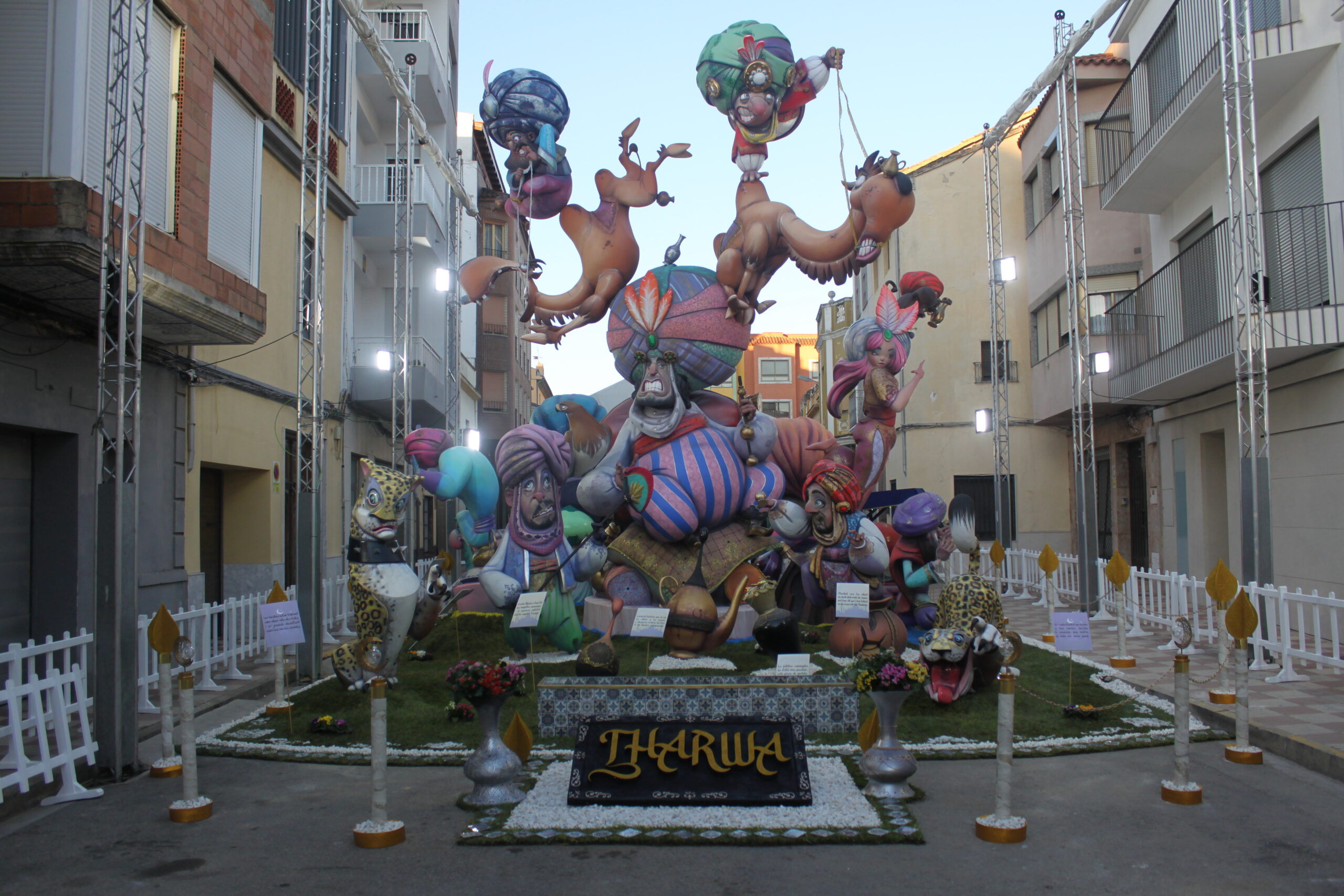
The Fallas turn streets and squares into a temporary museum. Each commission works throughout the year to set up its monument and prepare its llibret, activities, casal events and entries for competitions.
The awards ceremony recognises artistic work, satire, ingenuity, children’s creativity and other aspects that help raise the quality of the festival.
A festival that starts before March
Presentations, the Crida, the Ninot Exhibition, the Cabalgata del Ninot and the Nit d'Albades announce the arrival of the main days and show that the Fallas are not only about monuments: they are also music, traditional dress, oral tradition and local participation.
The six Fallas commissions in Tavernes, ordered by foundation date
The local Fallas movement brings together close to 4,000 falleros and falleras across six commissions. Each falla has its own history, district, casal, large and children’s monuments and its own way of experiencing the Fallas year, while all take part in the shared events coordinated by the Fallas Federation · Local Fallas Board.
The Local Fallas Board of Tavernes de la Valldigna coordinates the shared events, represents the local Fallas community and organises the participation of the six commissions during the main days and preliminary programme.
This is the commission that opened the modern stage of the Fallas in Tavernes. Its history makes it a key reference for understanding the growth of the festival in the city, from the first plantàs to the consolidation of today’s Fallas calendar.
Falla Portal Instagram
Falla Cambro belongs to the first stage of growth of the local Fallas after Portal was created. It has a strong presence in Tavernes’ Fallas life, with casal activity, monuments, participation in shared events and deep social involvement.
Falla Cambro Instagram
La Via represents the expansion of the festival into new urban areas. Its commission contributes casal life, monuments, llibret, children’s participation and presence in the collective events that structure the Fallas in Tavernes.
Falla La Via Instagram
La Dula gives the festival a highly participatory character, with street presence, casal activities and Fallas life that brings generations together. Its role helps keep the popular and collective spirit of the Fallas alive throughout the year.
Falla La Dula Instagram
Falla Passeig is linked to one of Tavernes’ most recognisable urban axes. Its activity combines the monument, casal, Fallas culture, children’s participation and street events, with a particularly visible presence during the main days.
Falla Passeig Instagram
Falla Prado completes the historic map of the six current commissions. Founded in the late 1980s, it has built its own identity around Prado Comarcal and takes part in monuments, events, awards and local festive life.
Falla Prado InstagramFrom the Crida to the cremà during the Fallas in Tavernes de la Valldigna
The Fallas festival combines preliminary events, main days, religious tradition, music, satire and fire. The images accompany each event without taking up more space than necessary, keeping the page clear and balanced.
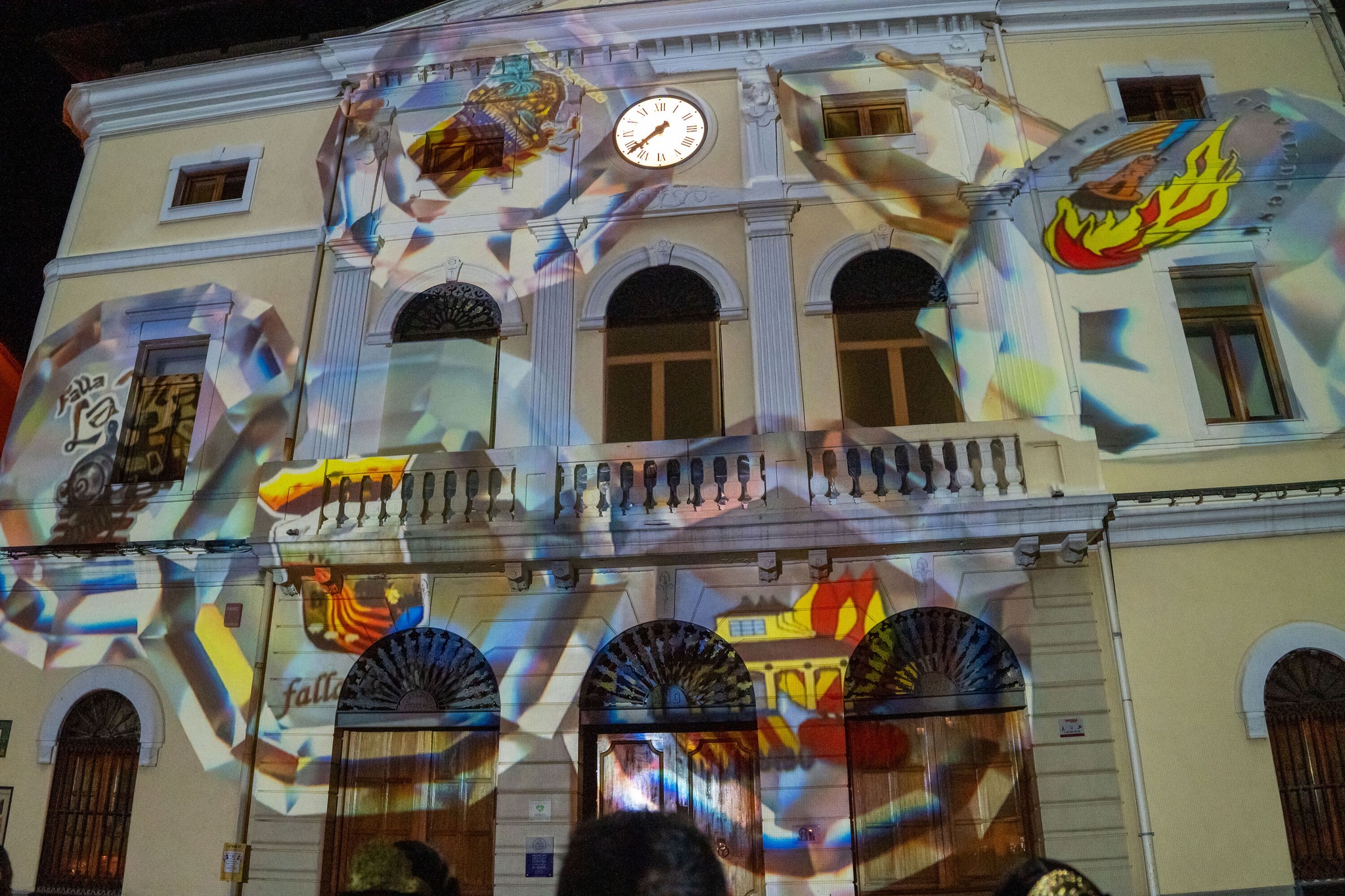
The Crida
The Crida officially announces the arrival of the Fallas. Representatives, commissions, the Local Board and the public gather to open the festive calendar, invite participation and start the Fallas atmosphere in the city.
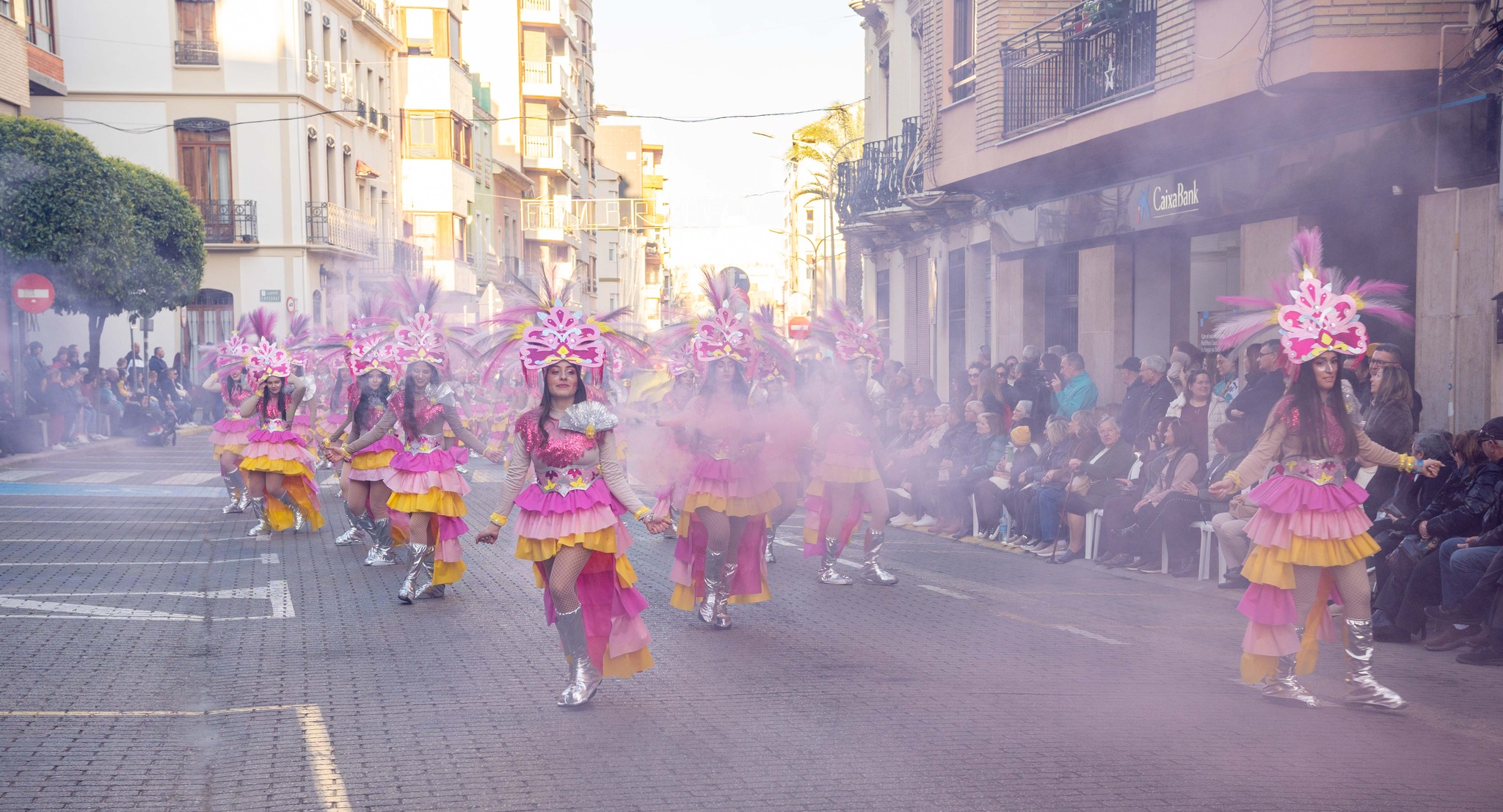
Cabalgata del Ninot
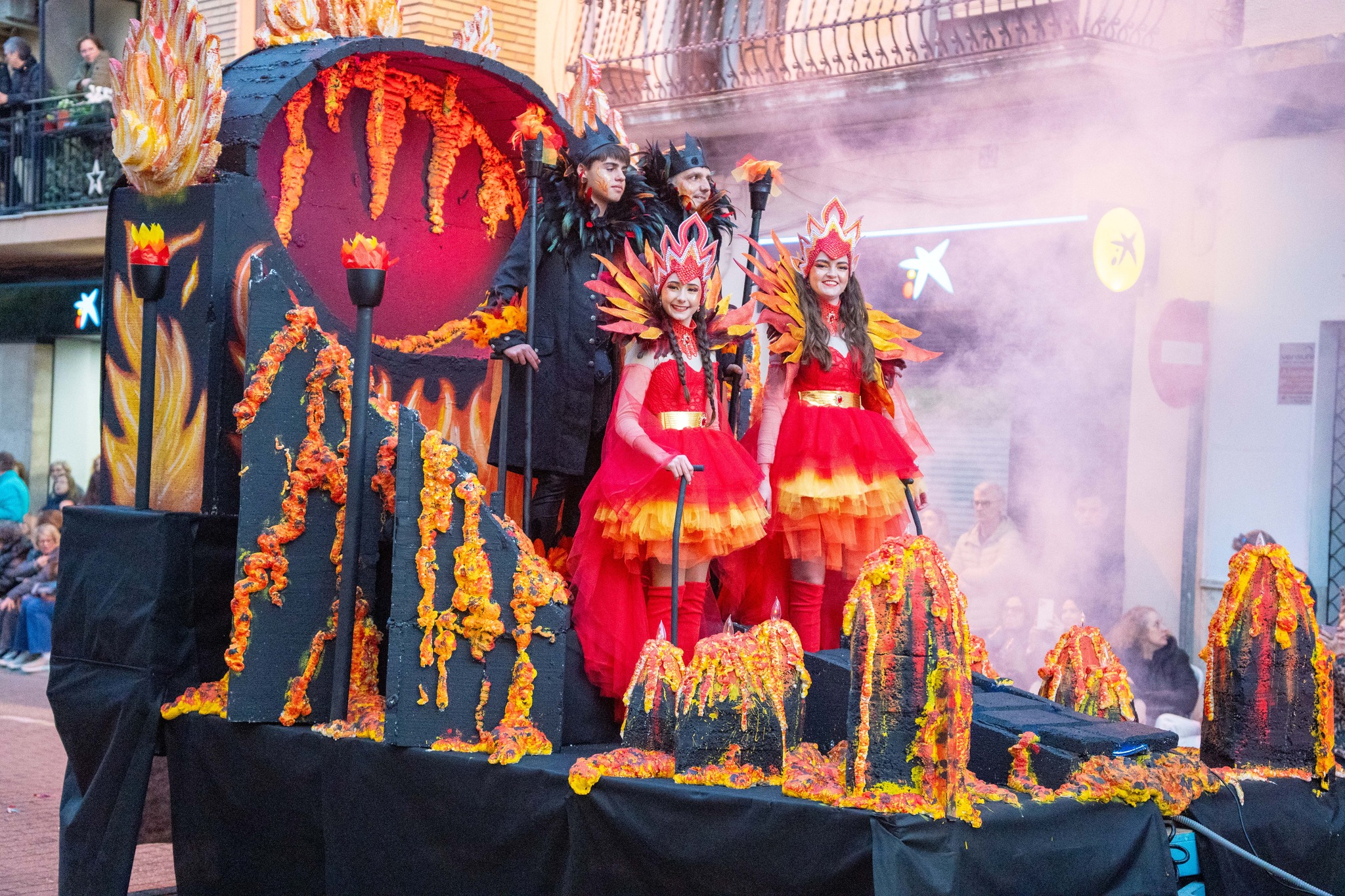
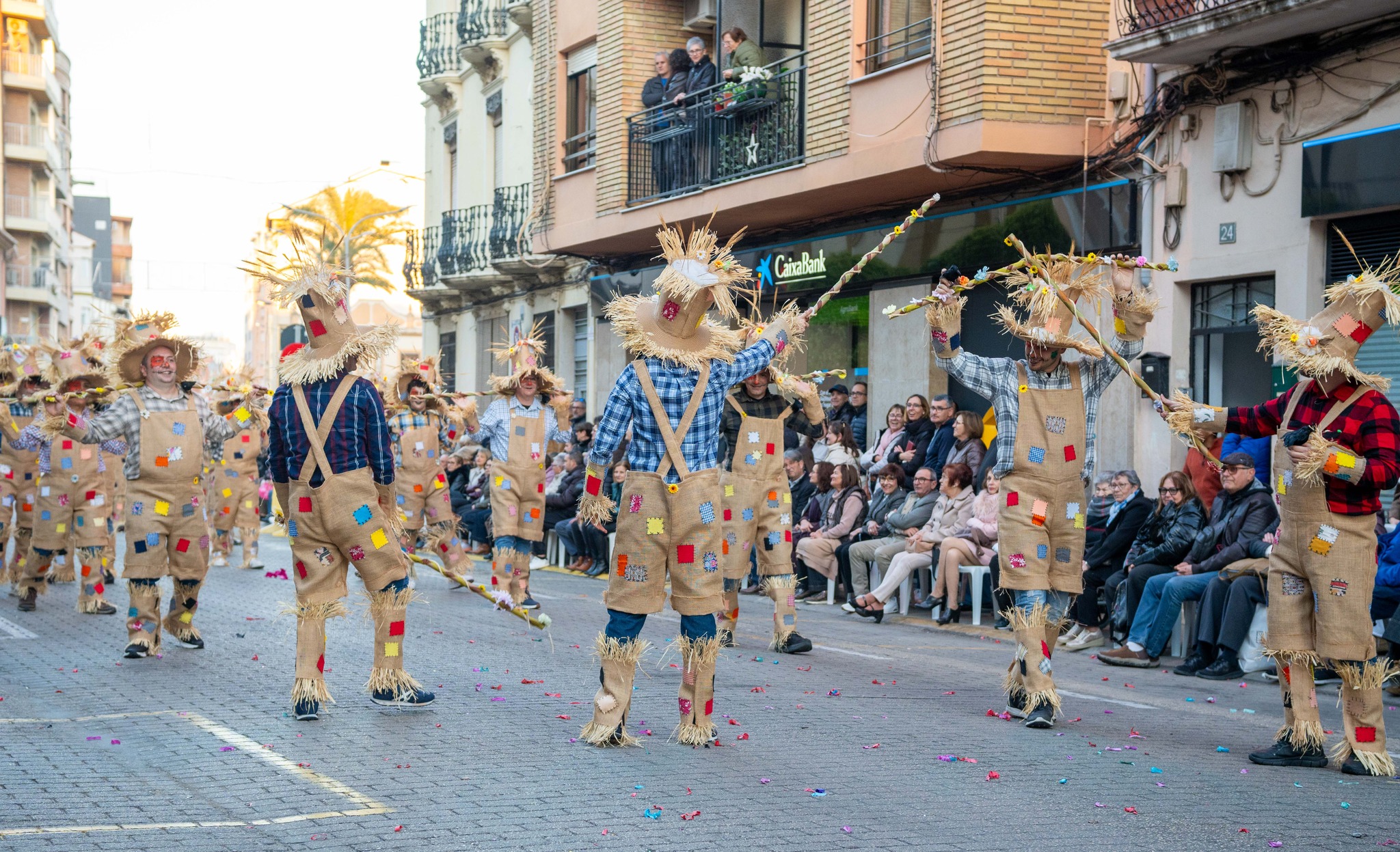
The Cabalgata del Ninot brings costumes, satire, music, humour and commission participation into the streets. It is one of the most visual preliminary events and anticipates the satirical tone later seen in the monuments.
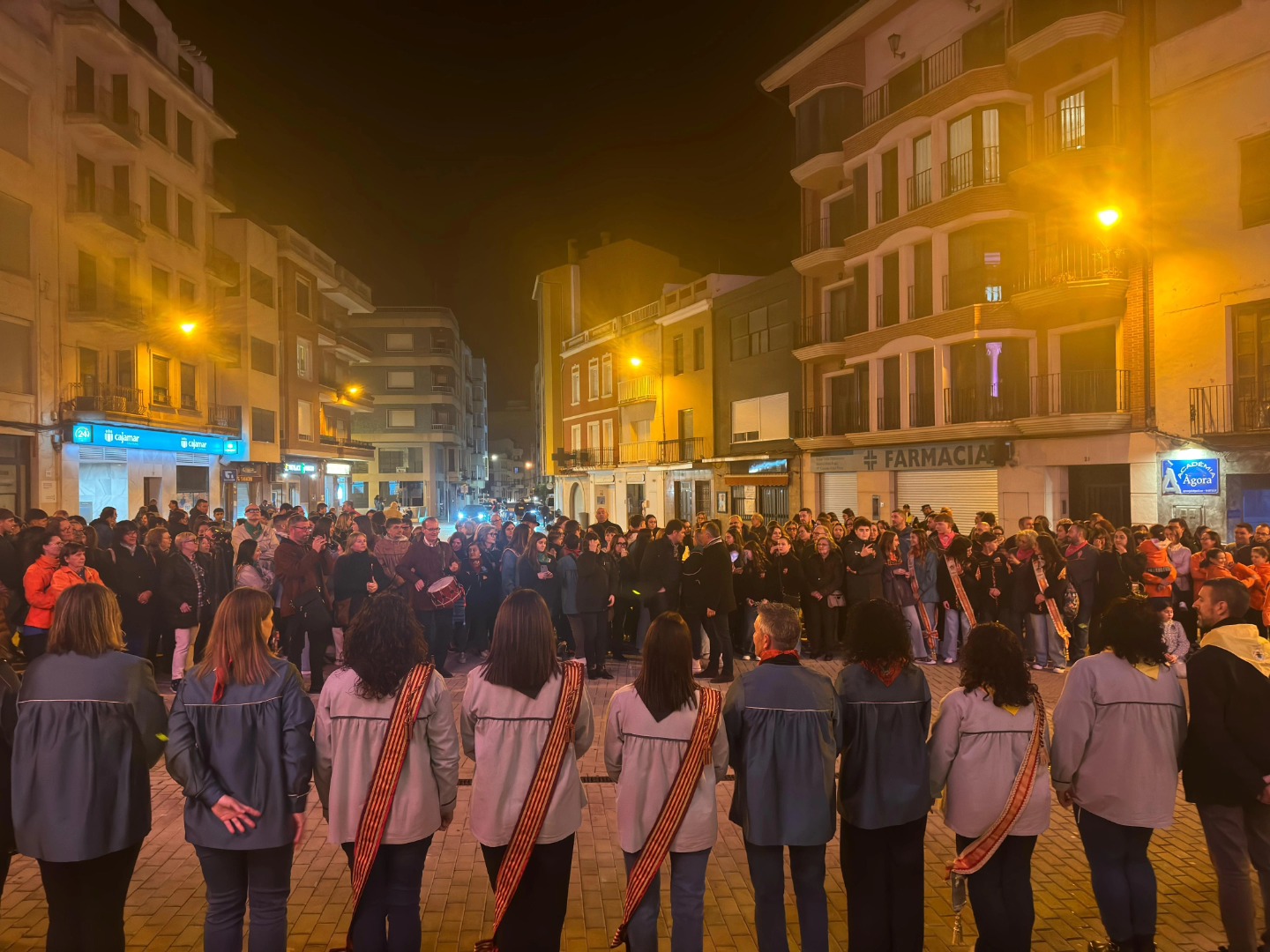
Nit d'Albades
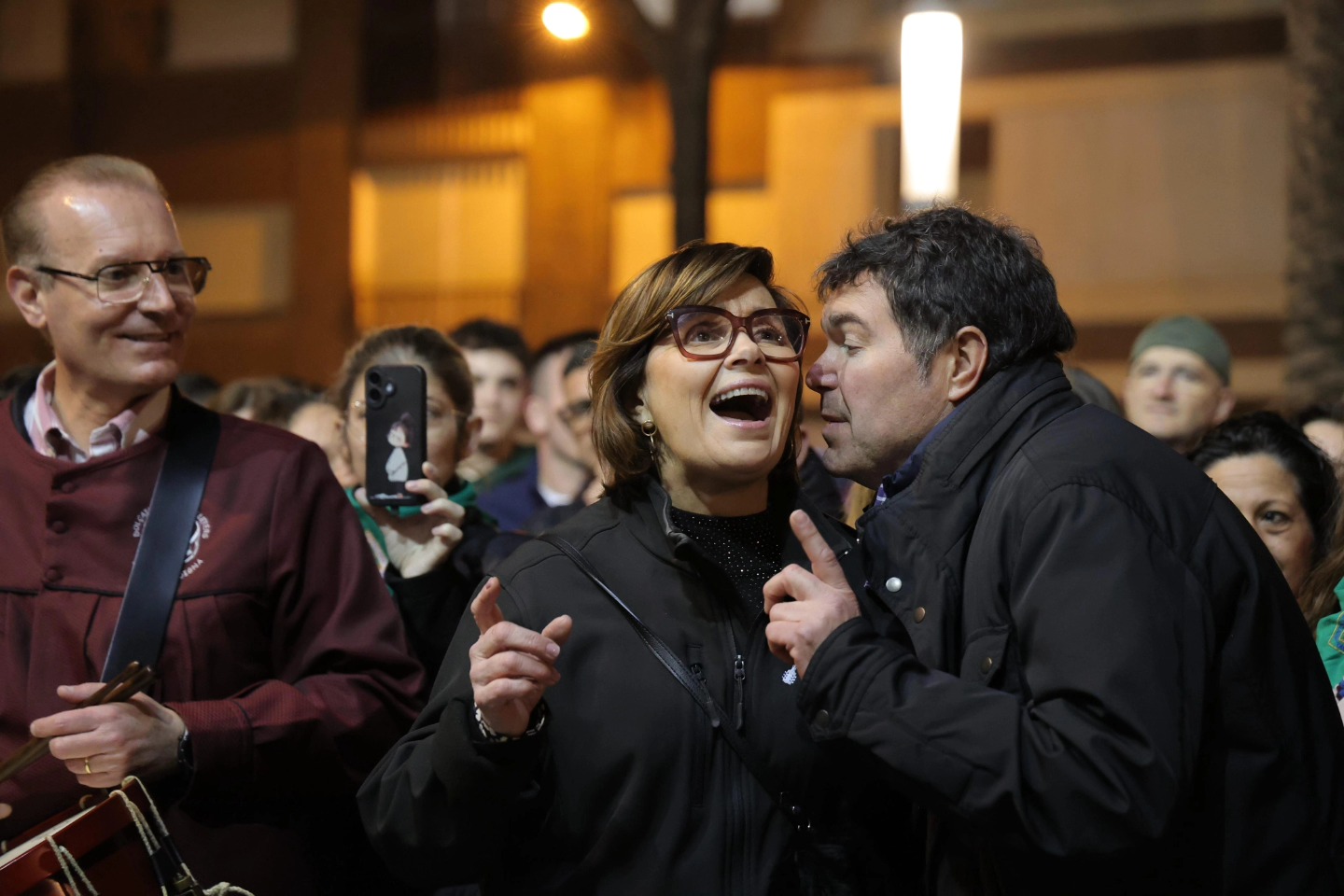
The Nit d'Albades preserves a Valencian musical tradition closely linked to emotion and recognition of the Fallas representatives. Voice, music and traditional dress accompany a particularly symbolic night.
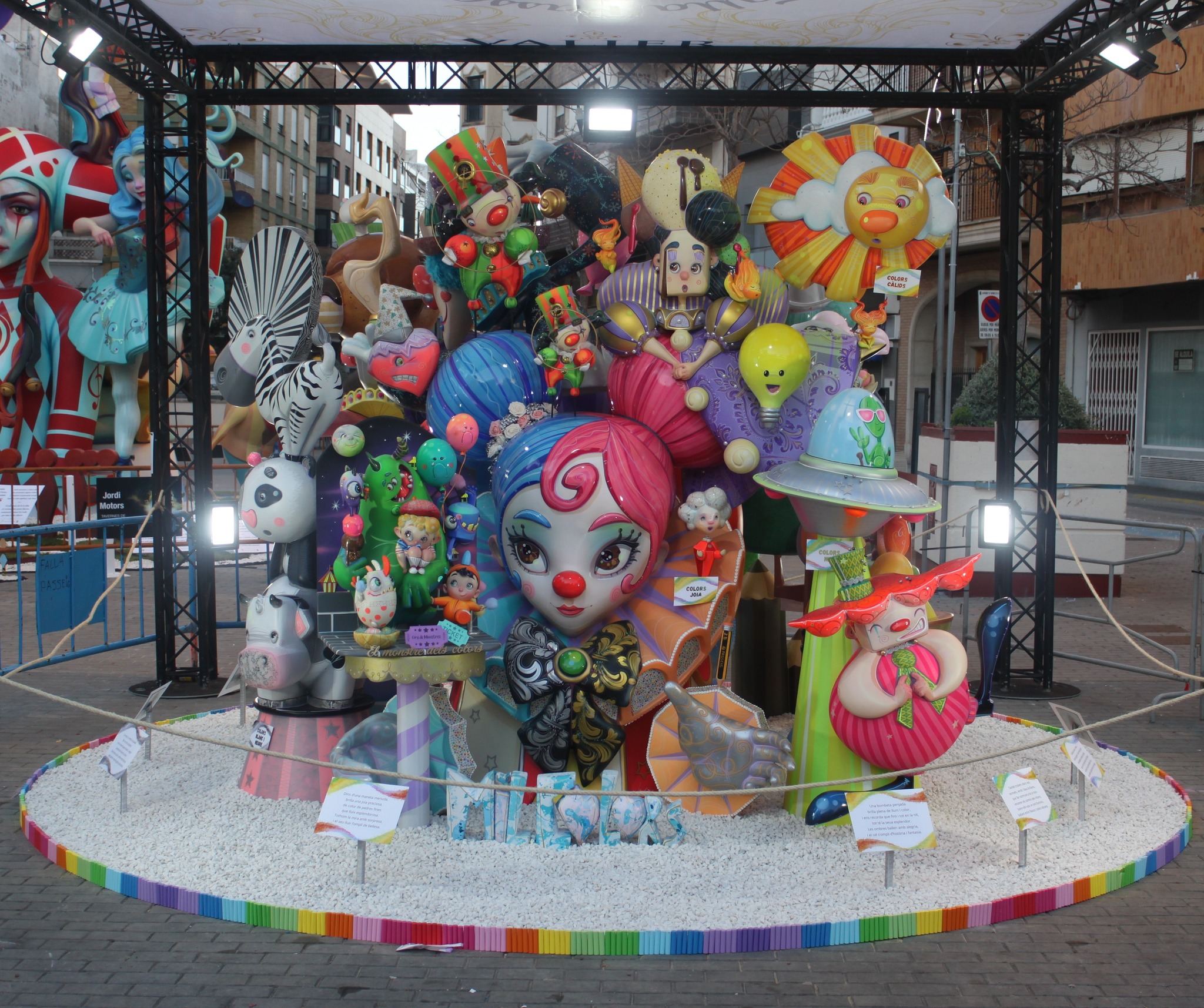
Plantà of the monuments
The plantà is the moment when the large and children’s fallas are set up in the street. From then on, residents and visitors can walk around the districts, see the details of each monument and await the jury’s assessment.
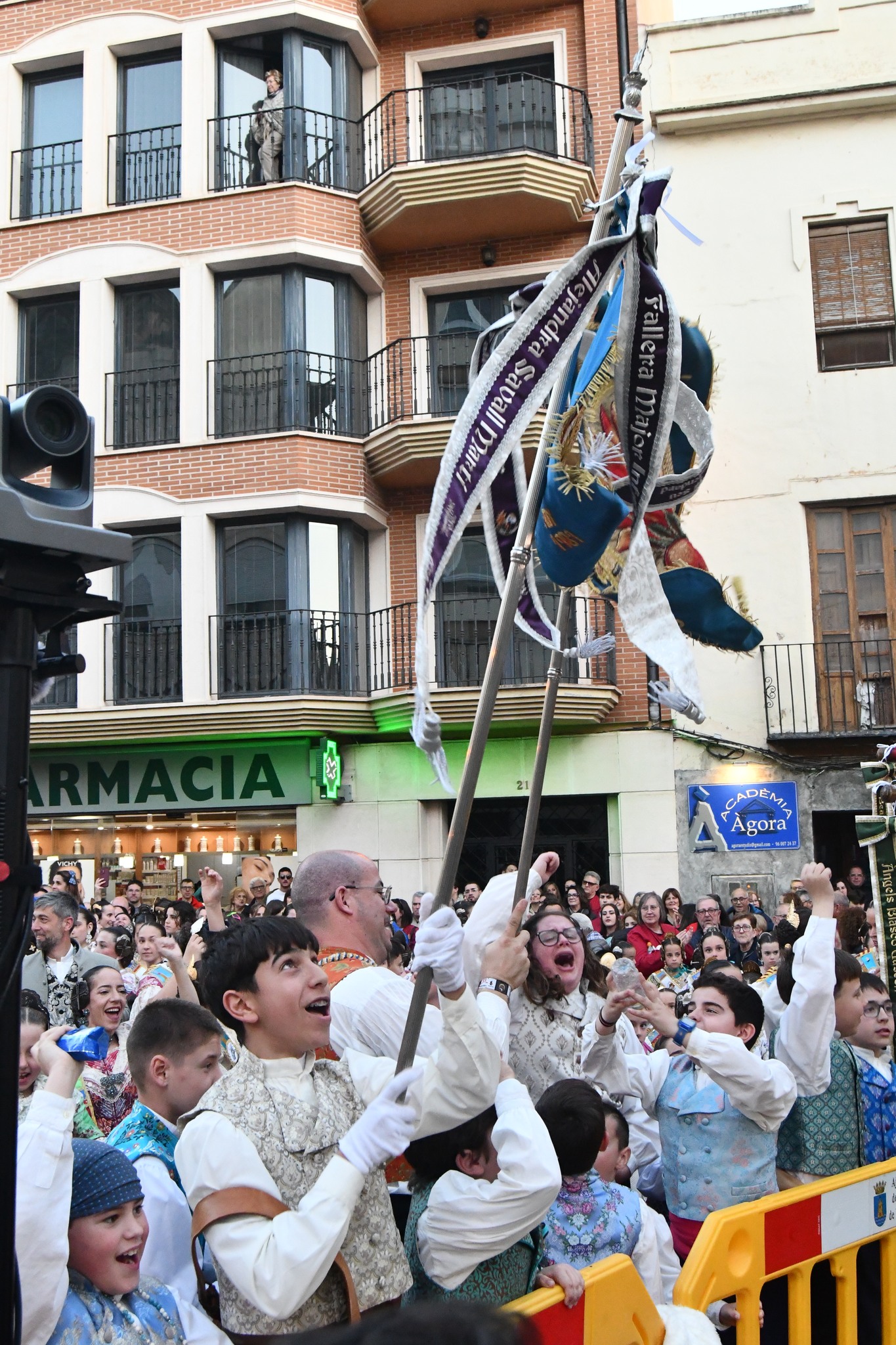
Awards ceremony
The awards ceremony recognises large and children’s monuments, ingenuity, satire, balance, llibrets and other Fallas merits. It is one of the most emotional moments for the commissions and brings hundreds of people together in the square.
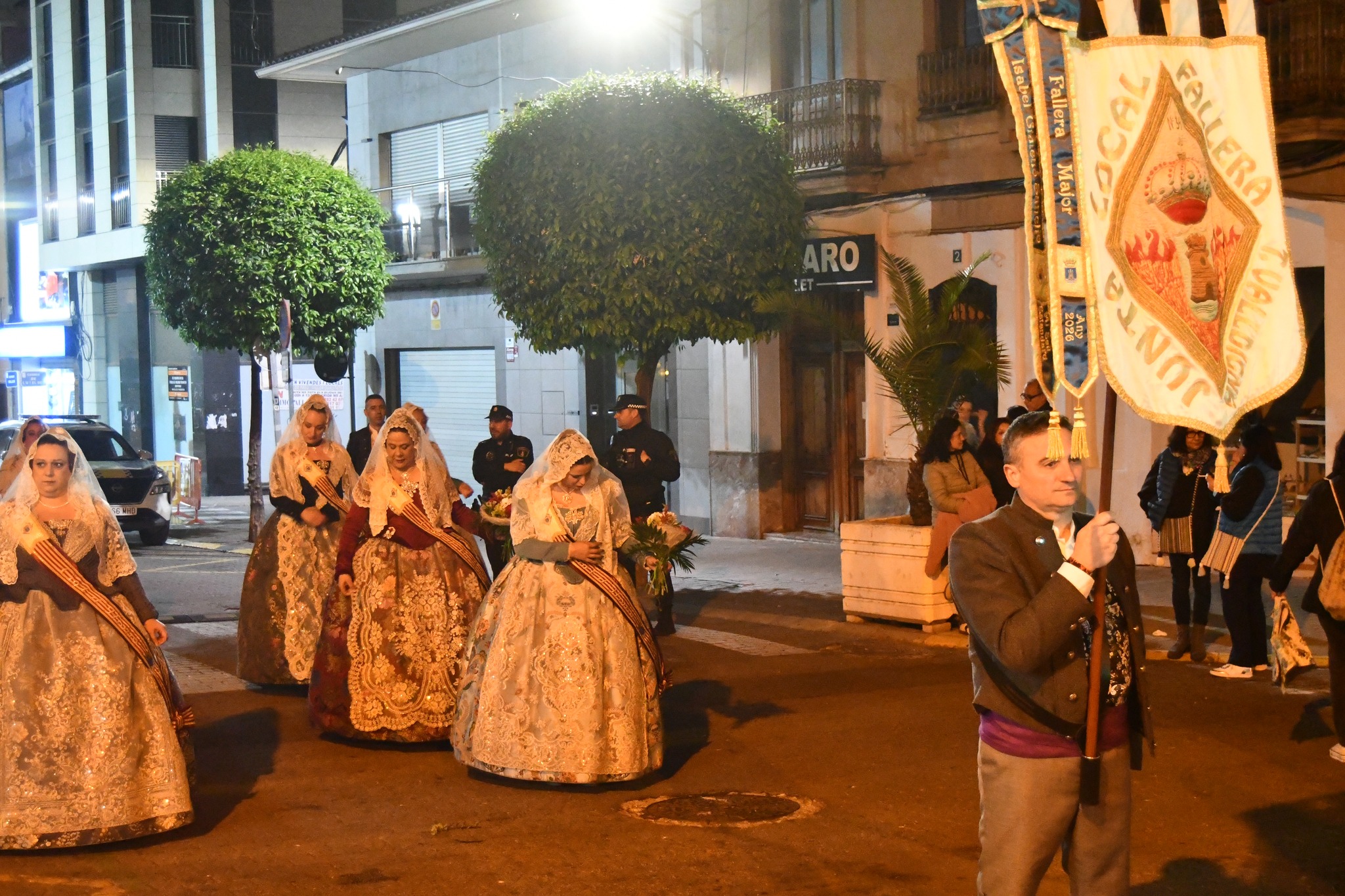
Flower offering to Our Lady of the Forsaken
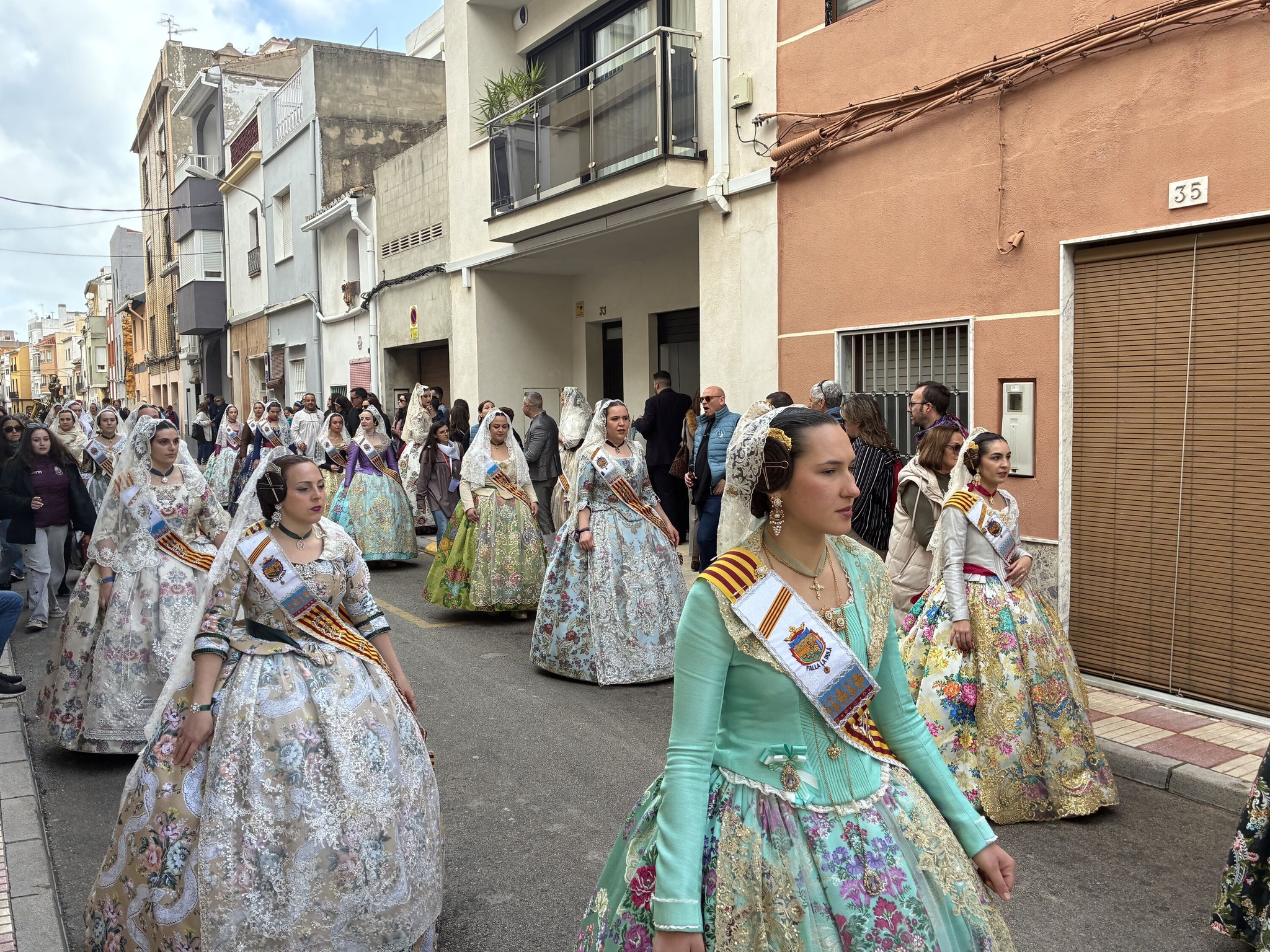
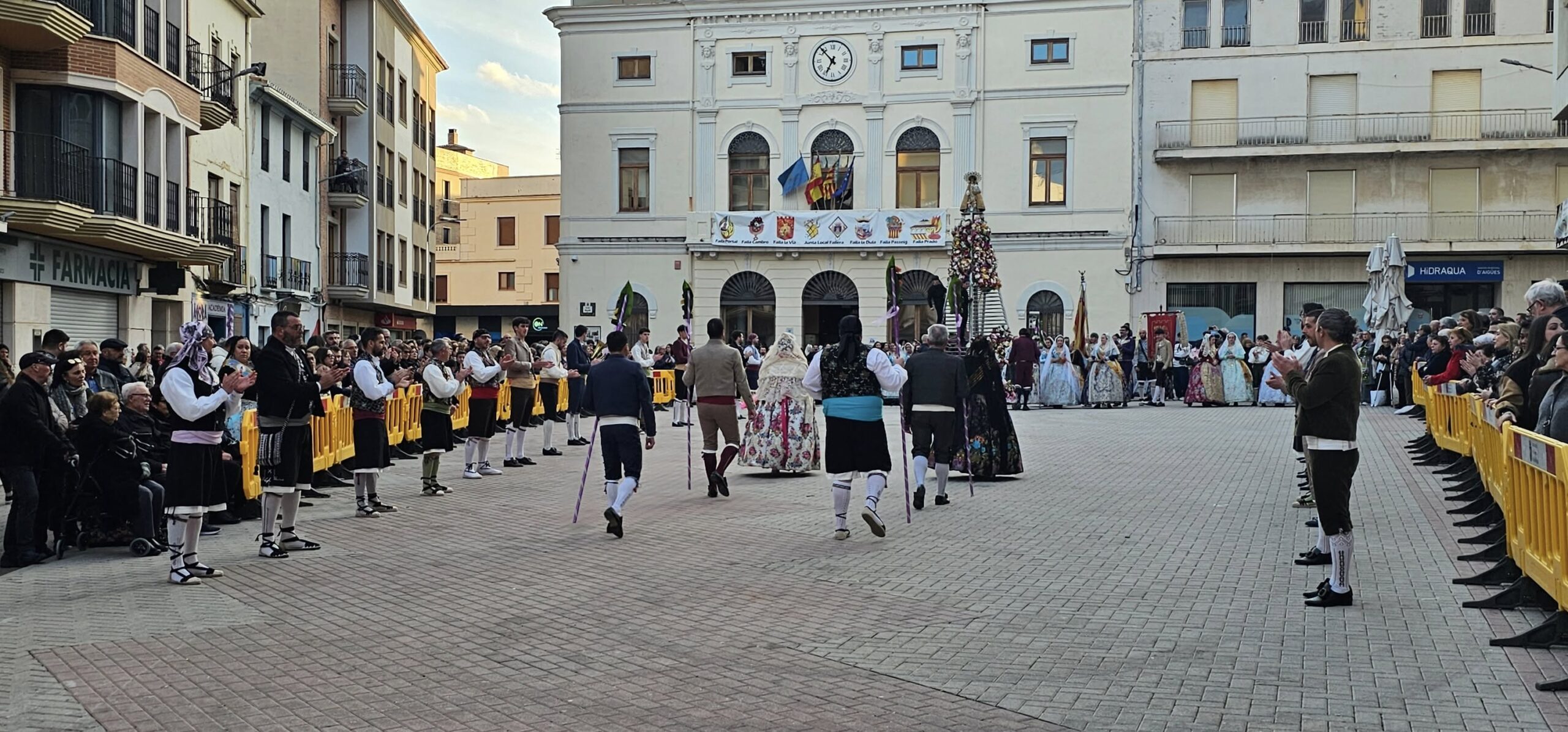
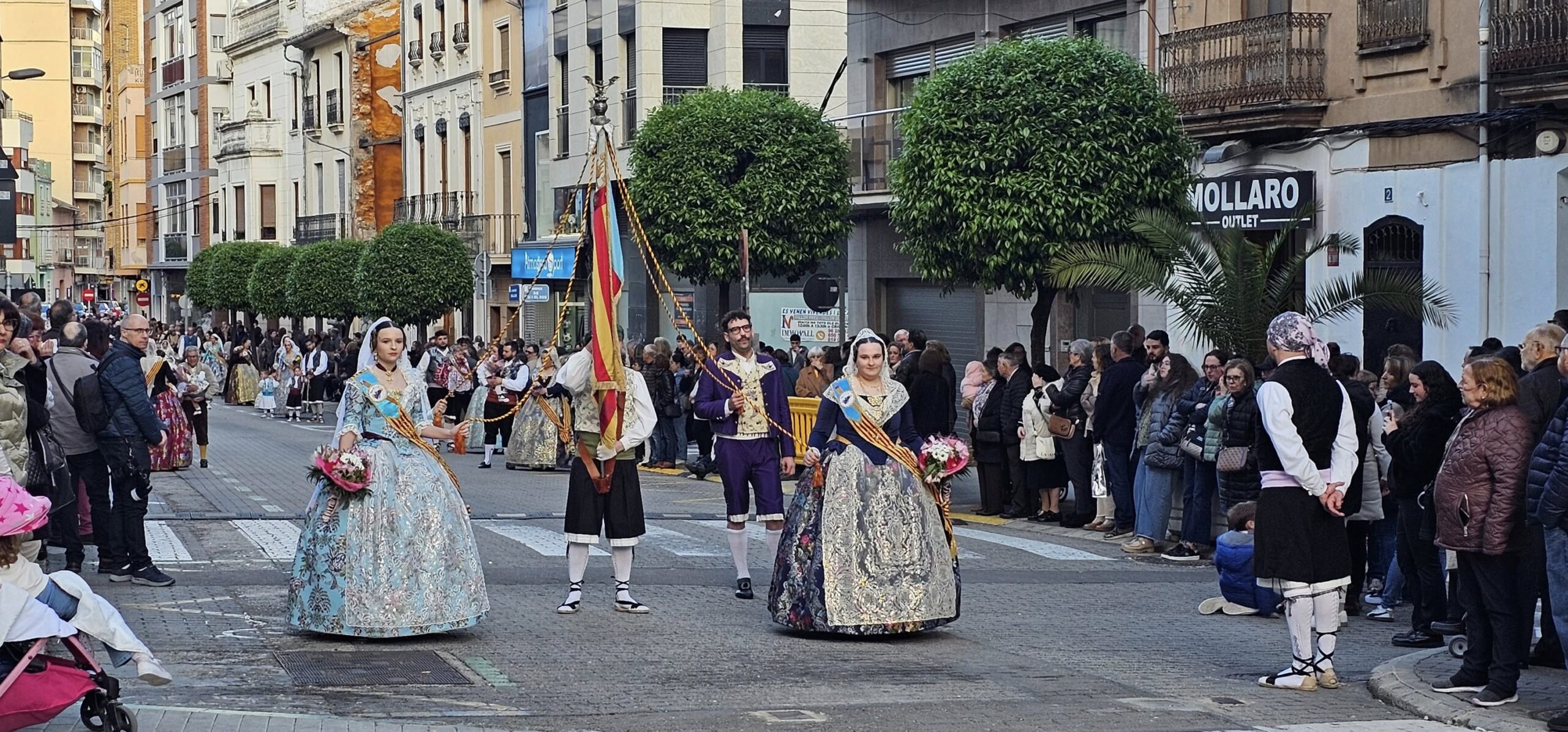
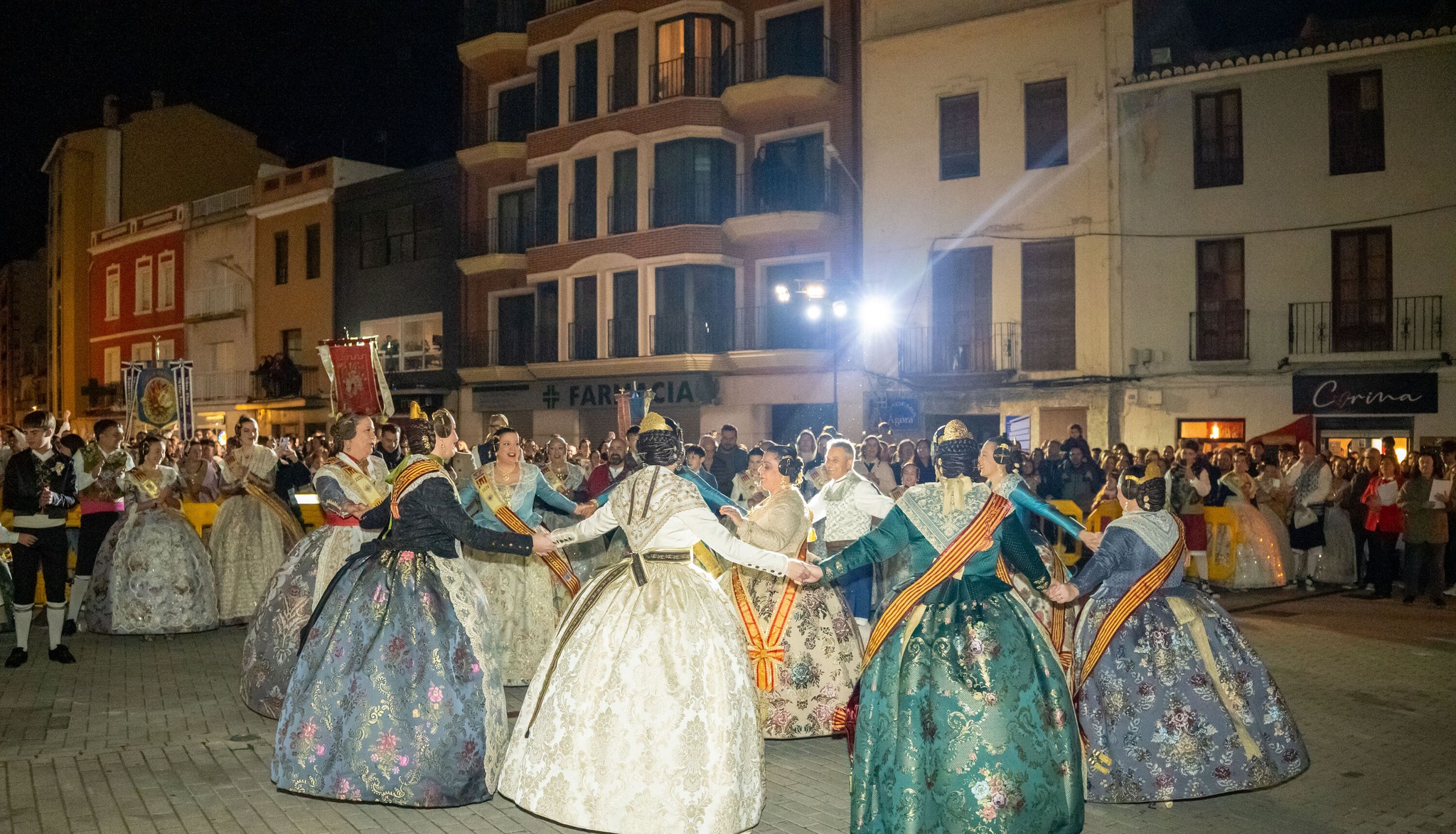
The commissions parade with bouquets of flowers in an event of devotion, traditional dress and collective participation. The offering brings together falleros and falleras of all ages and preserves one of the most solemn scenes of the festival.
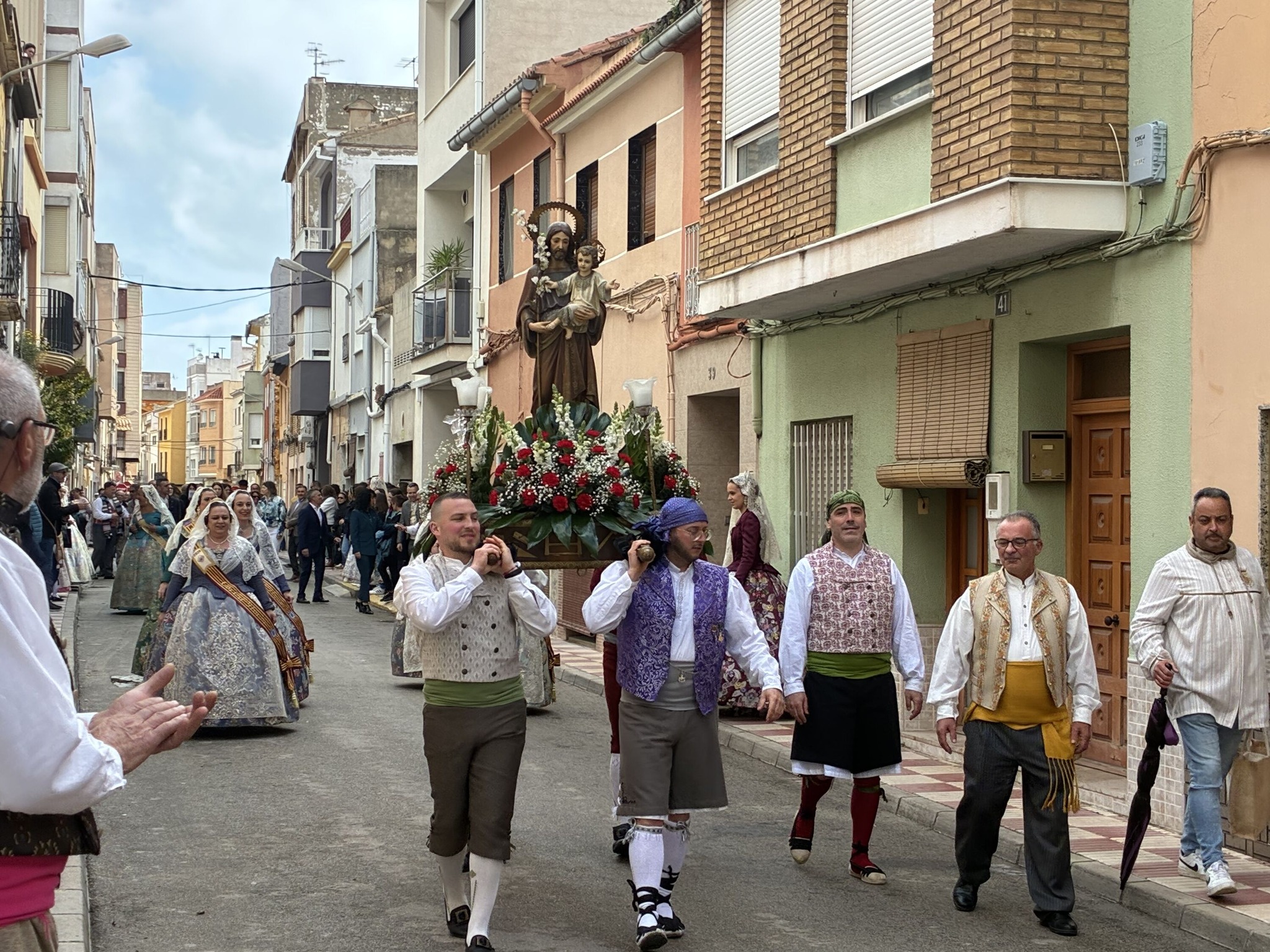
Mass in honour of Saint Joseph
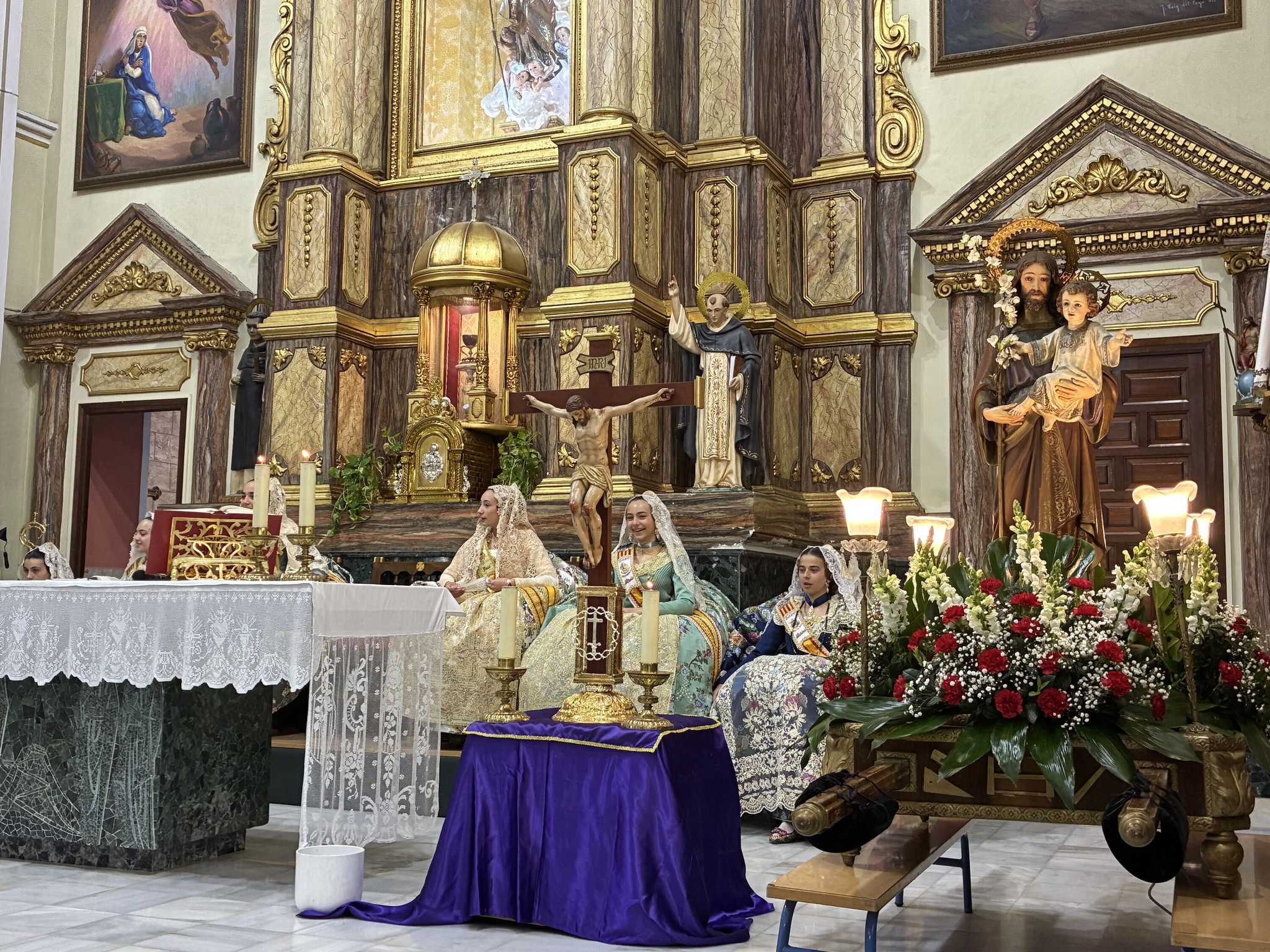
Saint Joseph’s Day preserves the traditional roots of the Fallas. The mass and religious events on 19 March precede the close of the Fallas cycle and connect the festival with its historic calendar.
Cremà of the monuments
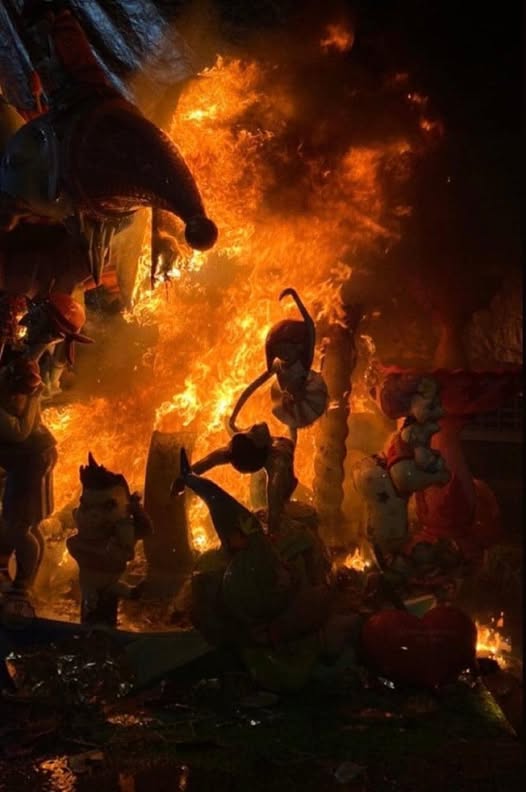
The burning of the monuments on Saint Joseph’s night, popularly known as the Cremà, symbolises purification, renewal and the beginning of a new cycle. This act symbolically destroys everything negative from the previous year in order to welcome spring with renewed energy. The monuments burn under safety measures and close the Fallas year before the commissions begin preparing for the next one.
How to enjoy the Fallas safely
The Fallas are a street festival. It is best to plan your visit around schedules, monuments, event routes and the weather forecast.
Events may change due to organisation, rain or wind. Always check official times and locations.
During the main days there may be road closures and large crowds in the city centre.
Keep your distance during firework events and follow safety instructions during the cremà.
Visit the monuments during the day and return at night to experience the atmosphere, lighting and casal life.
Complete your visit to Tavernes de la Valldigna
Connect the Fallas with other content about festivals, traditions, plans and travel planning in Tavernes de la Valldigna.
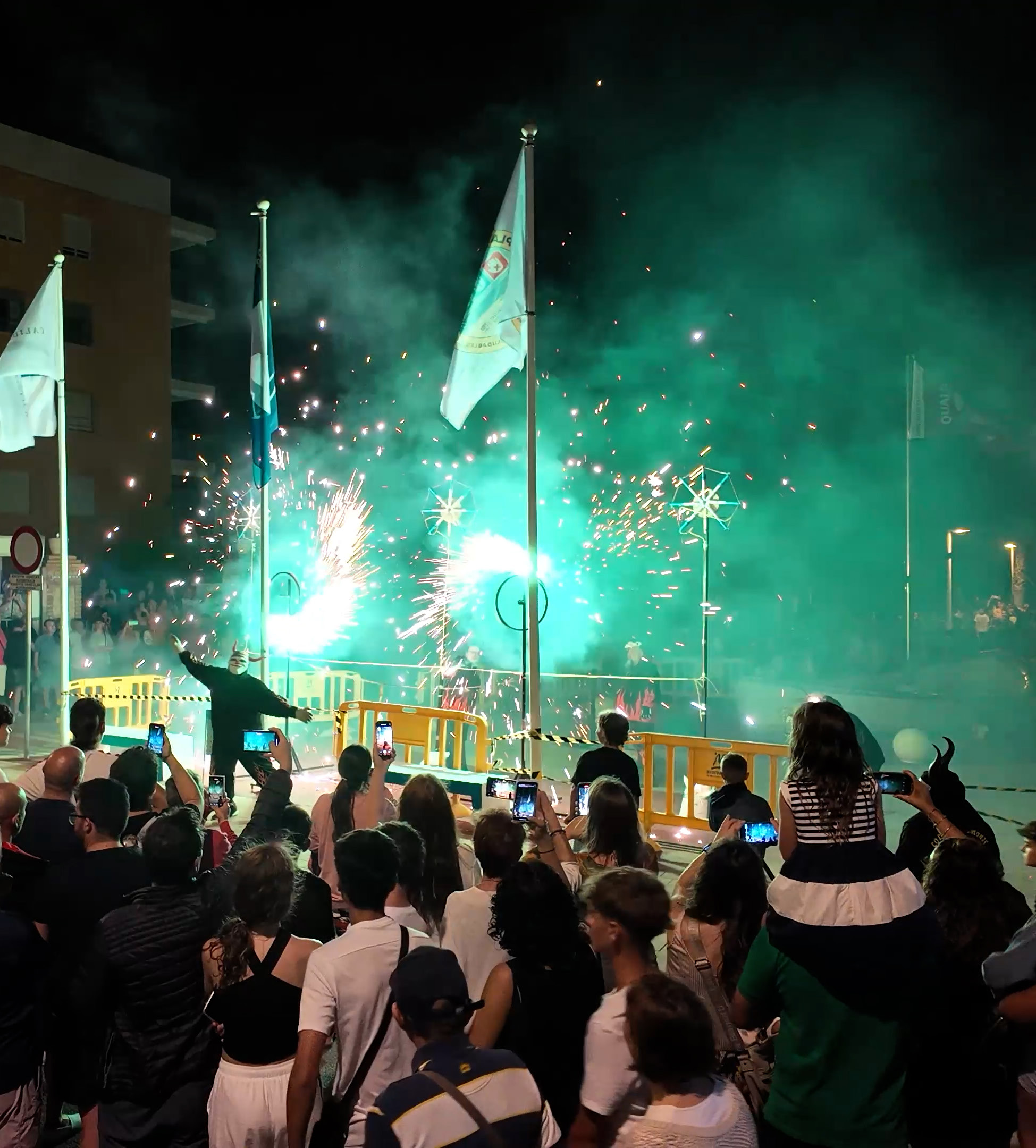
Major festivals
Discover the main celebrations in the festive calendar of Tavernes de la Valldigna.
View major festivals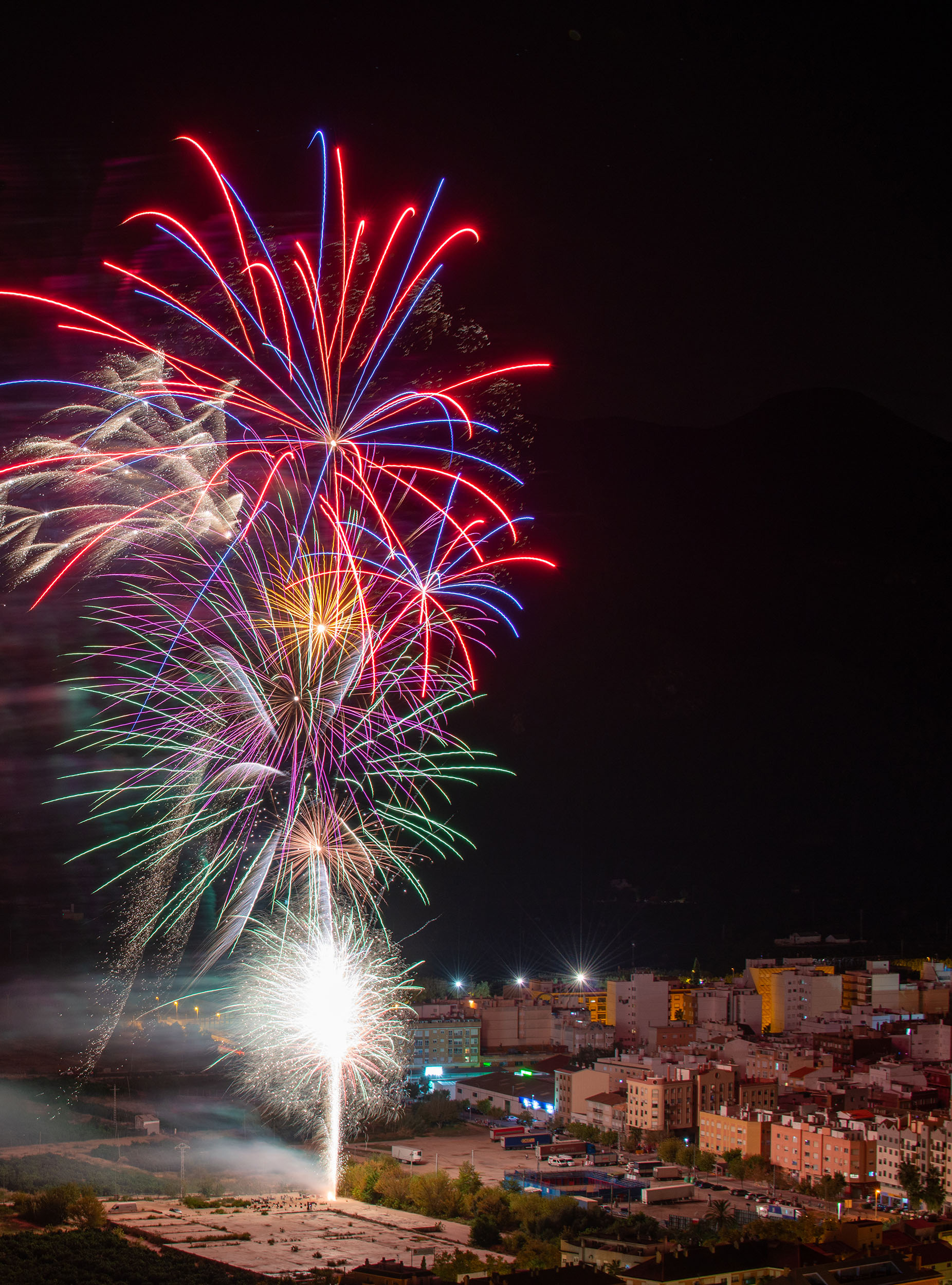
Festivals and traditions
Popular traditions, festivals, local festive culture and city celebrations.
View festivals
Things to do in Tavernes de la Valldigna
Ideas to combine culture, city life, beach, nature and the local calendar.
View ideas
Travel planner for Tavernes
Plan your visit to Tavernes de la Valldigna according to duration, interests and time of year.
Plan your tripImages of the Fallas in Tavernes
A visual selection of the Crida, Cabalgata del Ninot, Nit d'Albades, awards, flower offering, Saint Joseph’s mass, monuments and cremà.