

The Calvary of Tavernes de la Valldigna
The Calvary of Tavernes de la Valldigna, popularly known as the Calvary Hermitage, stands in the upper part of the city, at the foot of the muntanya de les Creus. It is one of the most distinctive stops on the urban heritage route, bringing together devotion, architecture, landscape and local memory.
The present hermitage is dedicated to the Santísimo Cristo de la Sangre — the Holy Christ of the Blood and patron saint of Tavernes, although the site also preserves the memory of an earlier temple linked to the Cristo de la Agonía — the Christ of the Agony. In front of the hermitage, the Via Crucis descends towards the city centre with zigzag ramps, small white stations, ceramic panels and cypresses that create a very recognisable atmosphere.
 Calvary Hermitage
What to know before visiting
El Calvario combines the religious value of the hermitage with the outdoor route of the Via Crucis and the climb towards Les Creus. That is why it works both as a heritage visit and as a viewpoint from which to read the urban landscape of Tavernes.
From the Christ of the Agony to the Christ of the Blood
The value of El Calvario cannot be understood only through the present hermitage. The ensemble preserves the trace of an earlier devotional space, the 19th-century construction and the strong popular tradition linked to the Christ of the Blood.
 Historic climb
A climb with deep local tradition
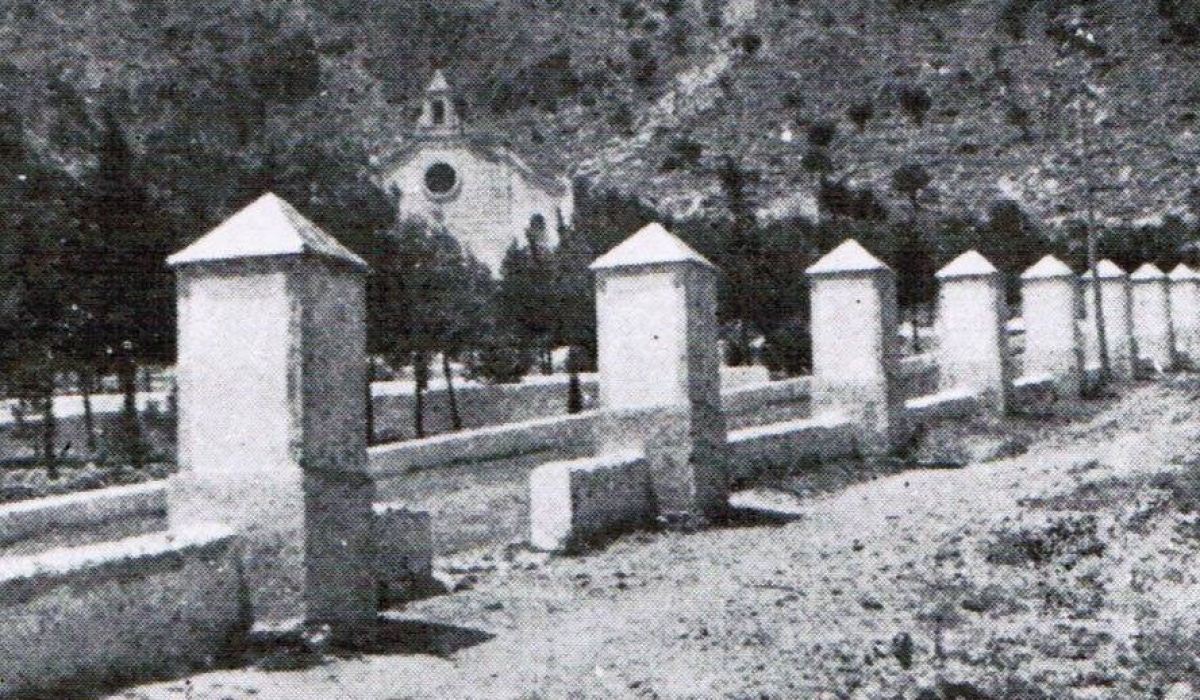
The climb to El Calvario forms part of the visual memory of Tavernes. The outdoor route, with its zigzag ramps, turns the visit into a short ascent from the city towards a religious, urban and scenic space.
Before the present hermitage, an older temple dedicated to the Christ of the Agony stood in this area. That first devotional focus explains why the site was already a place of pilgrimage before the 19th-century building was constructed.
The hermitage visible today was built between 1871 and 1874, in the upper part of Tavernes and at the foot of the muntanya de les Creus. Its presence visually marks the end of the Via Crucis and one of the symbolic entrances to the city’s historic landscape.
Until 1936, several cypresses whose age dated back to the 16th century were preserved in the ensemble, a detail that helps explain the historical depth of the site.
The hermitage of the patron saint of Tavernes
The hermitage is dedicated to the Santísimo Cristo de la Sangre, the Holy Christ of the Blood and patron saint of Tavernes de la Valldigna. Local devotion grew especially after the cholera epidemic of 1885, when popular tradition attributed a protective intervention to the Christ in the end of the disease.
This devotional dimension remains alive in the October patron saint festivities. The Descent of the Christ takes the image from the hermitage to the Church of Saint Peter, and the later procession back up returns the route to its starting point, symbolically closing the festive cycle.
- Patron saint of Tavernes de la Valldigna.
- Deeply rooted popular devotion since the late 19th century.
- Patron saint festivities in October.
- The Descent and the return procession as central moments.
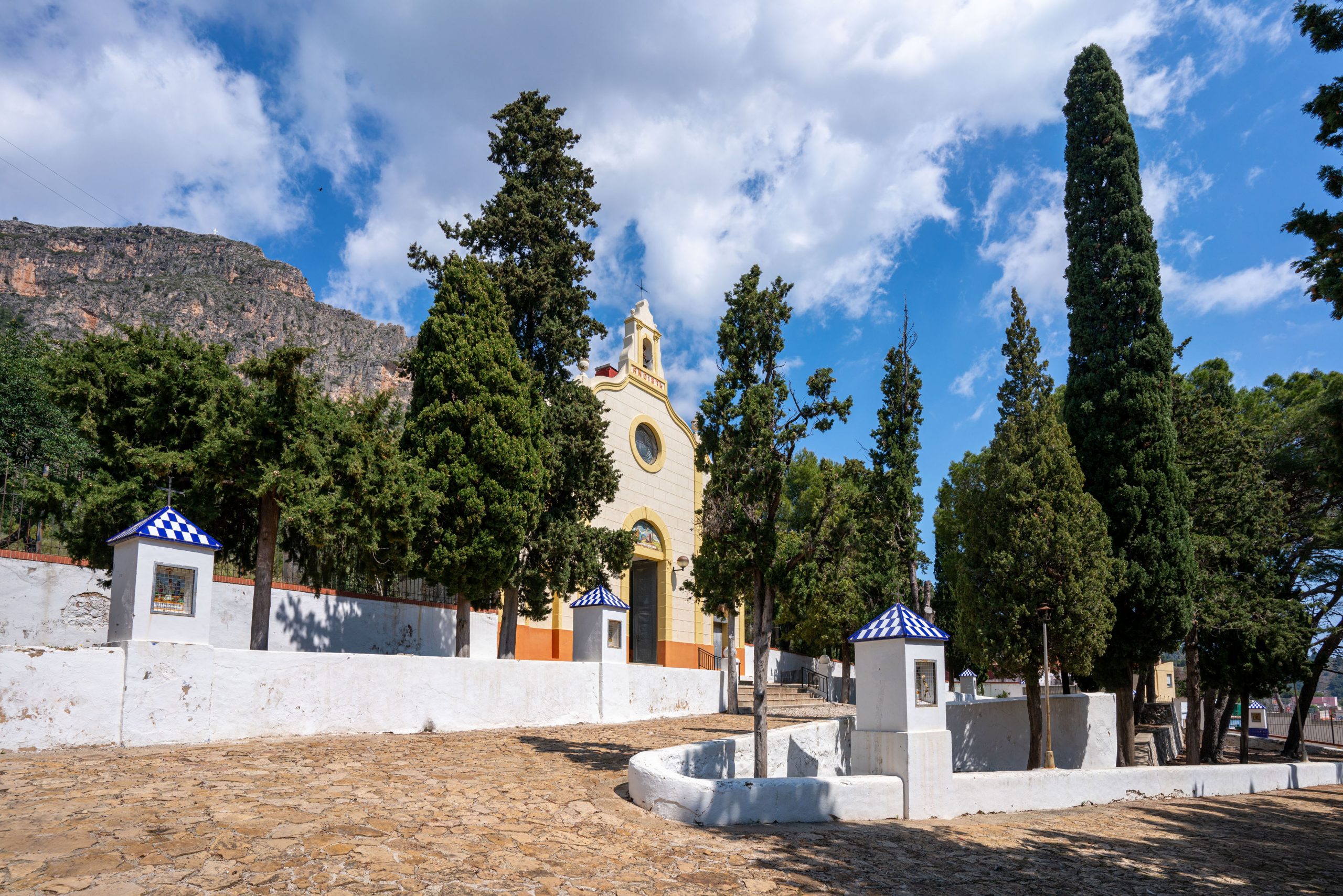 Exterior and hermitage
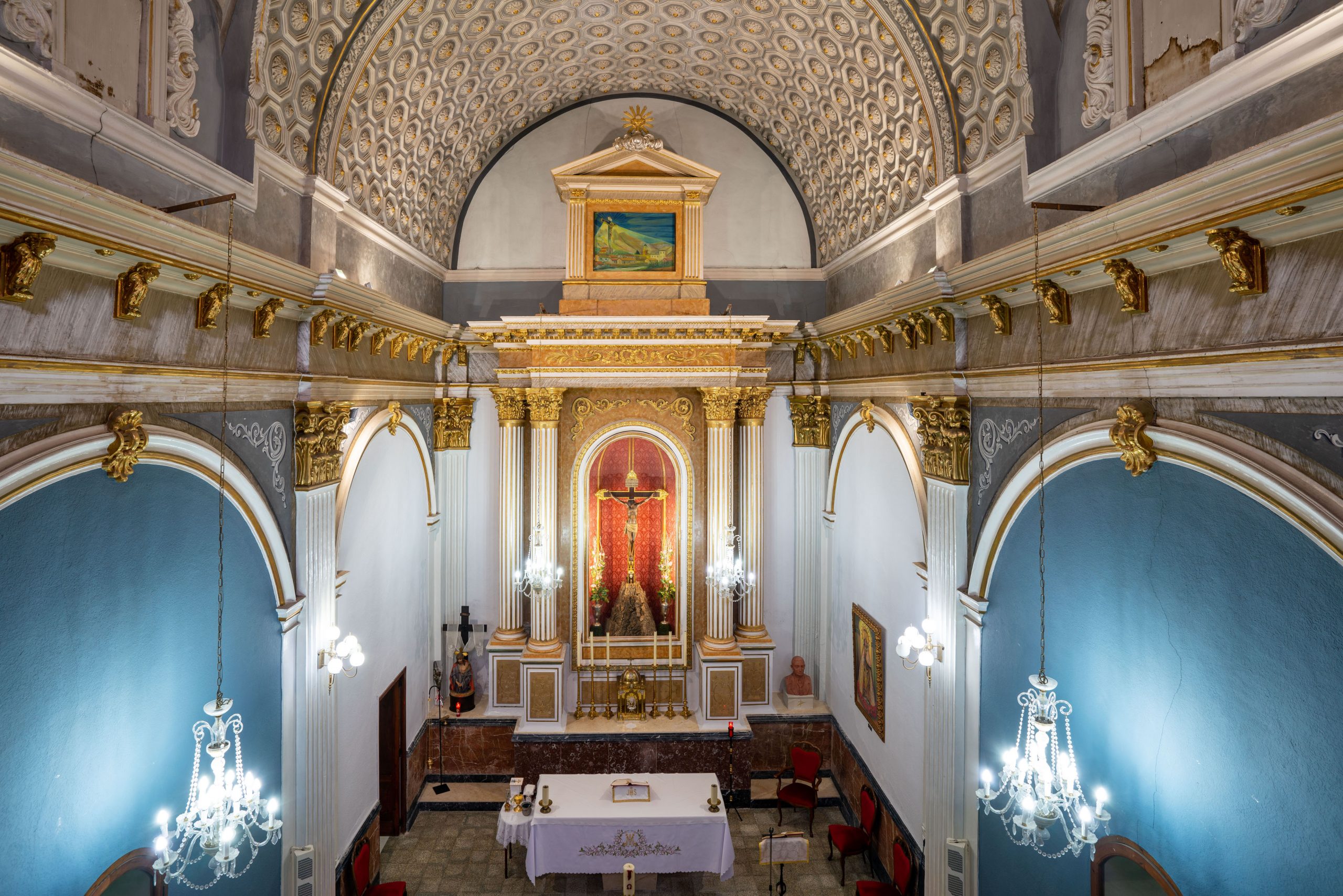 Hermitage interior
A single nave with a barrel vault
The interior of the hermitage is organised as a single nave covered by a barrel vault, reinforced by a transverse arch and decorated with rosettes. The space combines plain wall surfaces with the white of pilasters, cornices and side arches that hold religious images.
This language has been described as eclectic, with a facade inspired by Neo-Baroque forms and an interior that is easy to read: nave, vault, presbytery and altar. The visit presents the hermitage as an intimate space with strong symbolic meaning for Tavernes.
The interest of El Calvario is not limited to the hermitage: the combination of building, Via Crucis, cypresses, slope and views creates a complete heritage experience.
Altarpiece, gilding and Neo-Baroque entrance
The altar is Neoclassical in style and enriched with gilding. In the central niche, the titular image of Christ is venerated; it is a carving made after 1939, as the original image disappeared during the Civil War. At its feet there is a reproduction of the Chalice used at the Last Supper, an iconographic detail that reinforces the devotional link with the tradition of the Holy Chalice.
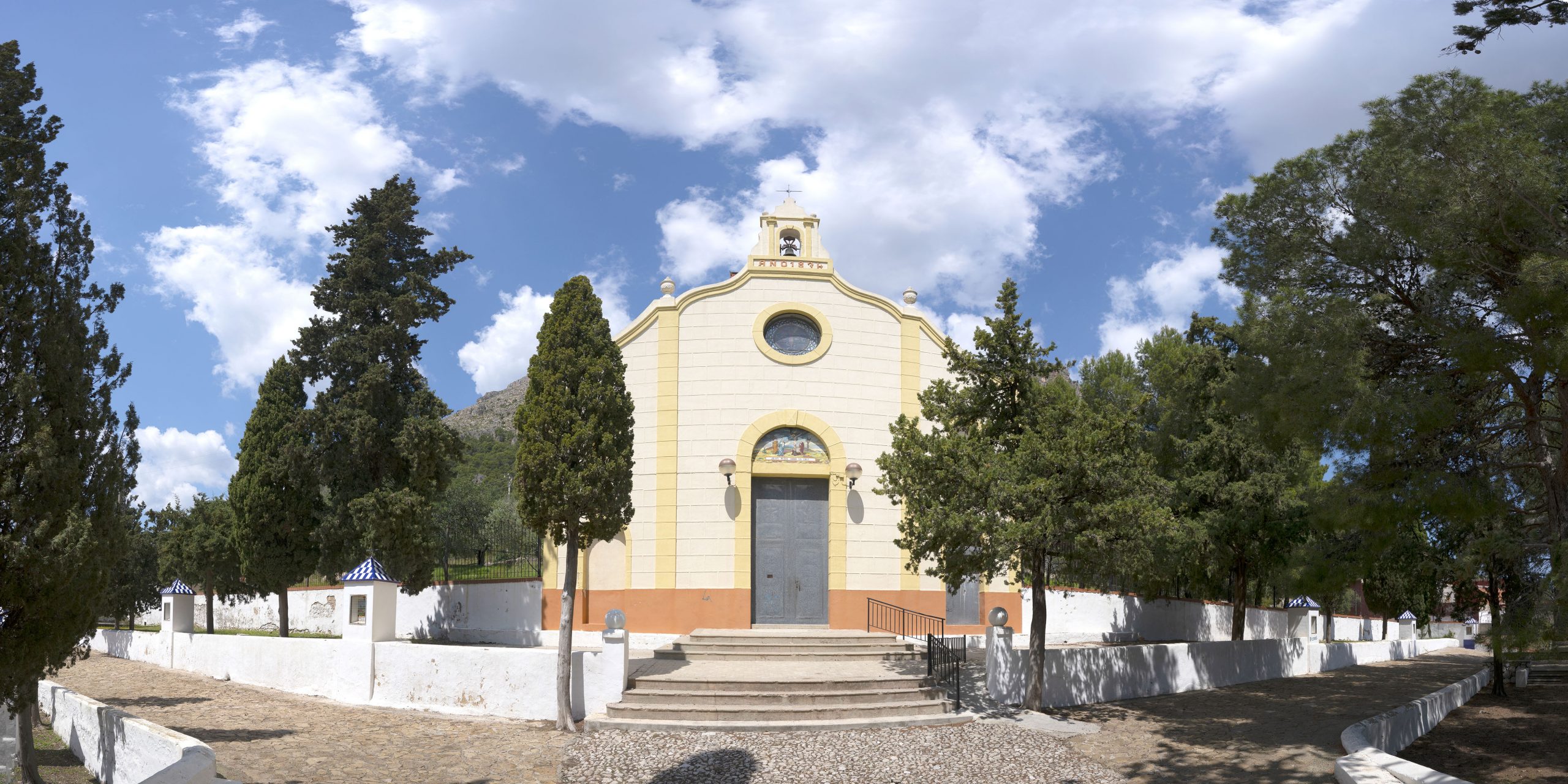
Outside, the facade presents a Baroque or Neo-Baroque-inspired composition, divided by pilasters and crowned by a belfry. Above the doorway there is a round-arched opening with a ceramic panel linked to the death of Jesus Christ, while the pediment includes an oculus with coloured stained glass.
- Neoclassical altar with gilded details.
- Image of the titular Christ made after 1939.
- Memory of the earlier temple dedicated to the Christ of the Agony.
- Ceramic panel above the main doorway.
- Oculus with stained glass in the pediment.
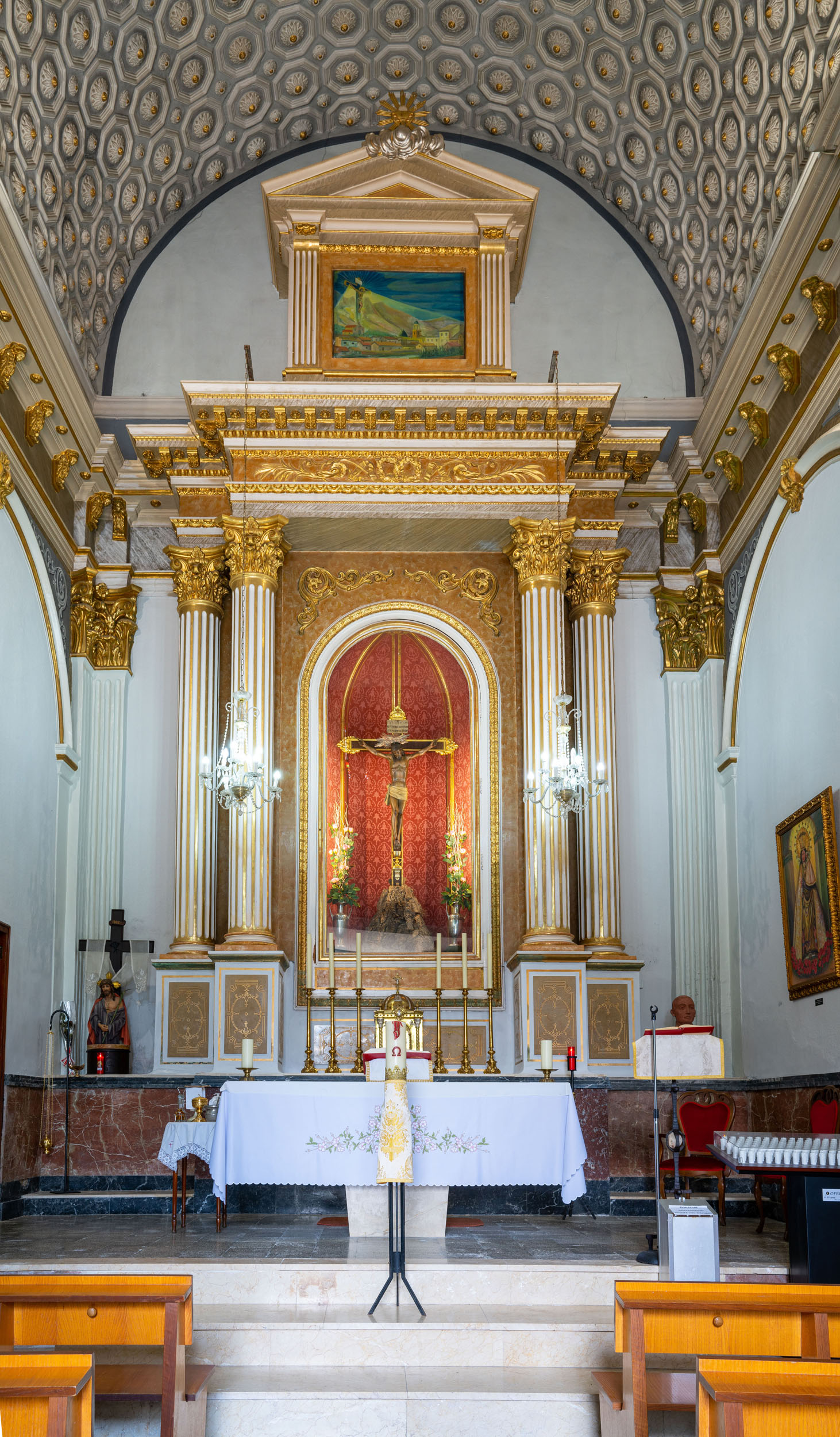 Calvary altar
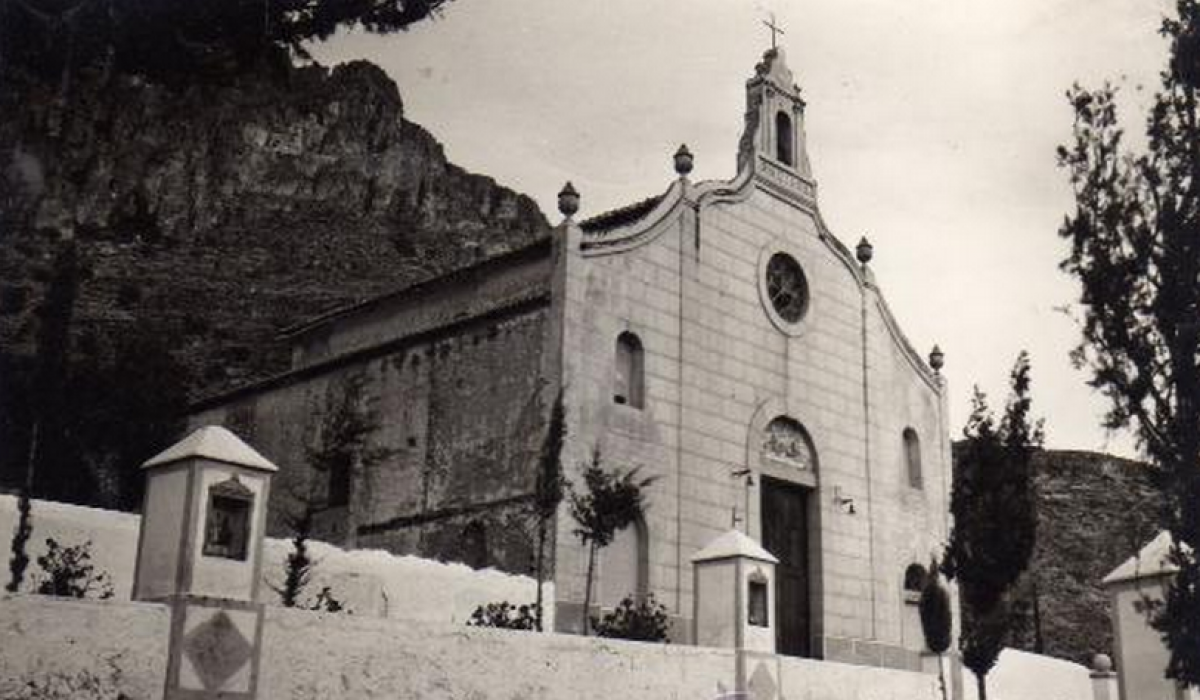 Historic hermitage
An ensemble overlooking the city
In front of the hermitage, the Via Crucis descends towards the urban centre along zigzag ramps. The stations appear as small white constructions, with ceramic panels that narrate the Passion and accompany the climb between cypresses.
The elevated position of El Calvario explains its scenic strength. From this enclave, visitors can understand the relationship between the urban centre, the muntanya de les Creus and the valley, with one of the most recognisable panoramic views of Tavernes.
The ensemble is listed as an Asset of Local Relevance and stands out for the sum of architecture, Via Crucis, landscape, patron saint tradition and popular memory.
The bell of the Santísimo Cristo de la Sangre
The hermitage also preserves a small element of sound heritage. The documented bell of the Santísimo Cristo de la Sangre stands in the belfry, was cast in 1940 by Manuel Roses Vidal and bears an inscription that links it directly to the hermitage and to Tavernes de la Valldigna.
Images to explore El Calvario
Historic and current photographs help explain the evolution of the ensemble: the climb, the hermitage, the interior, the altar and the panoramic view from the upper part of the city.
The climb to El Calvario
The historic image shows the strength of the ascending route and its role within the city.
Historic hermitage
An old photograph that makes it possible to compare the ensemble’s past image with its current presence.
The hermitage
The facade and the setting explain the relationship between religious architecture and landscape.
The interior
An intimate single-nave space, with a barrel vault and a direct visual line towards the altar.
The Christ
The altar concentrates devotion to the Holy Christ of the Blood, patron saint of Tavernes.
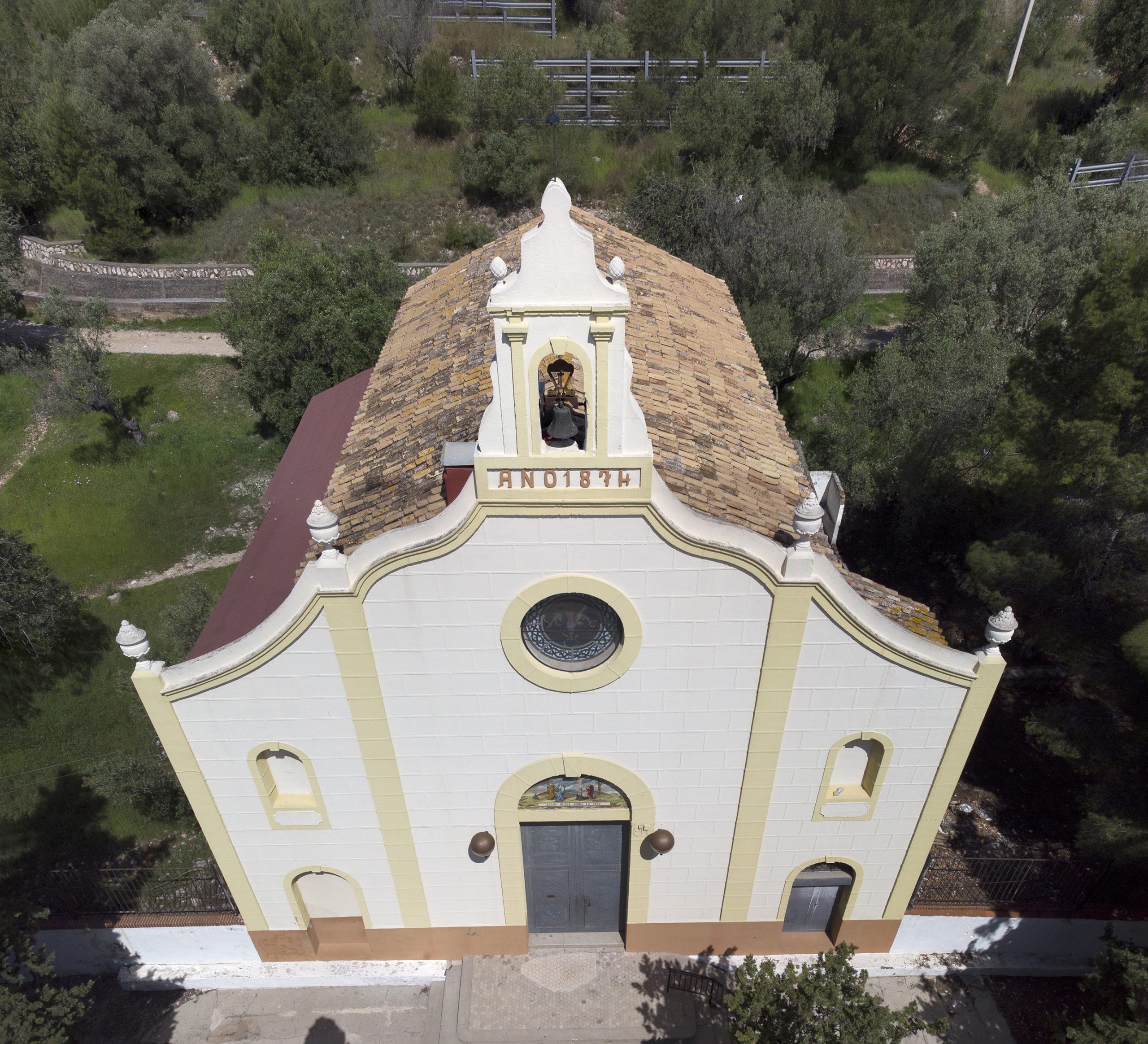
From above
The panoramic view helps place El Calvario on the hillside and understand its scenic value.
How to include it in a route through Tavernes
El Calvario fits especially well into a route through emblematic buildings and religious heritage. It can be combined with the Church of Saint Peter, the Church of Saint Joseph, the City Hall and other points in the city centre, leaving the climb for a moment of soft light if you want to enjoy the views.
Because of its elevated location, it is advisable to wear comfortable footwear and take time to walk the outdoor Via Crucis. The visit can also be completed with the Tavernes 360º resource, which offers a visual preview of several heritage spaces before going there.
Keep discovering Tavernes
Complete your visit with the main blocks of the tourism website: ideas to organise the day, urban heritage, history and trip planning.

Things to do in Tavernes
Ideas to combine heritage, beaches, nature, culture and plans during your visit.
See things to do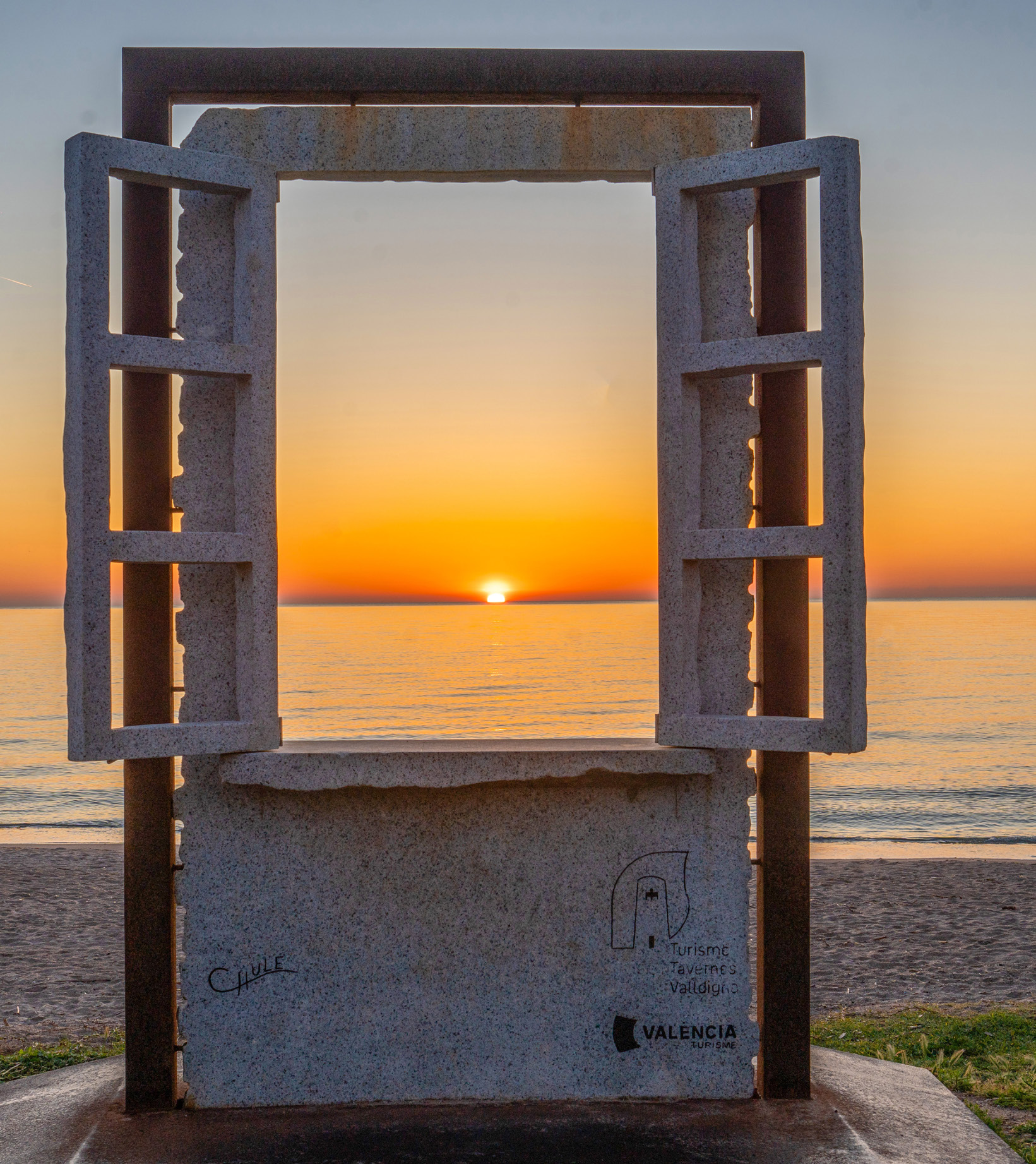
Travel planner for Tavernes
Organise a tailor-made route with heritage, beaches, nature, gastronomy and culture.
Plan your visit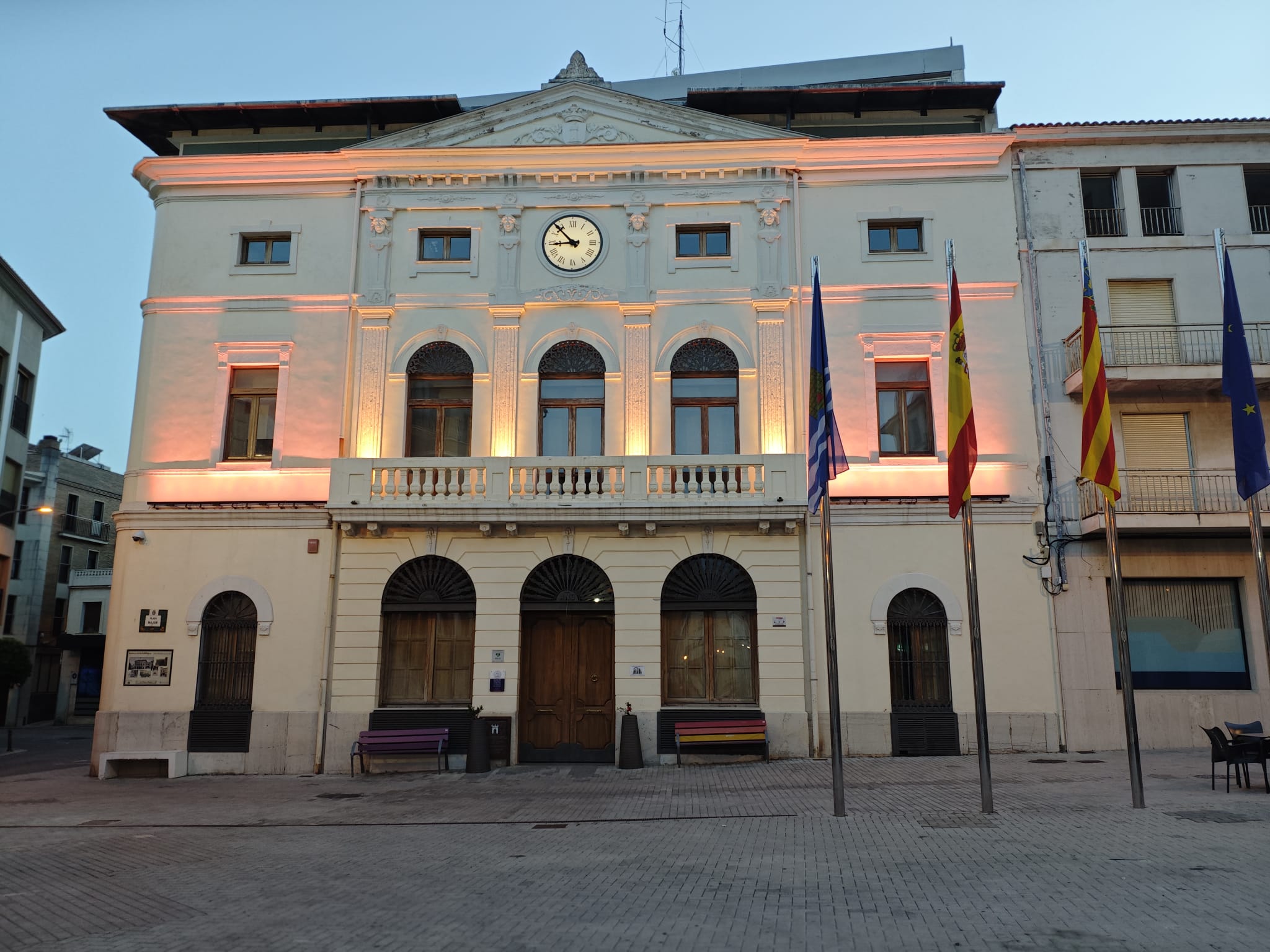
Emblematic buildings
The starting point for discovering churches, public buildings, cultural spaces and urban heritage.
See buildings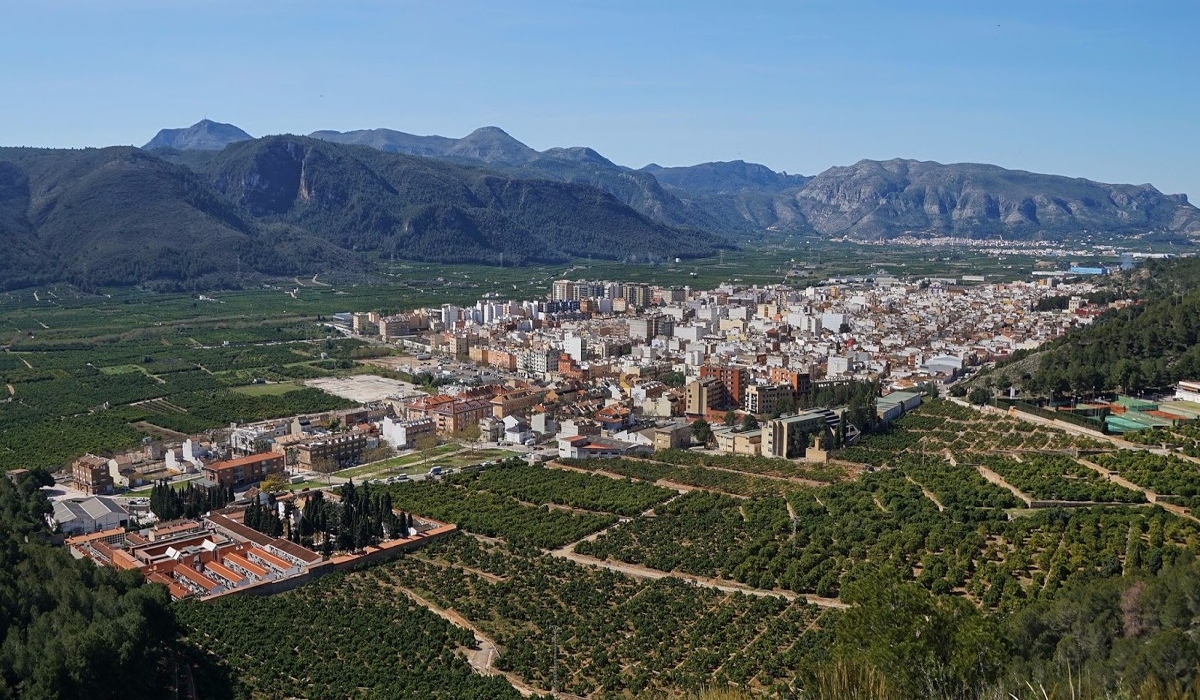
History of Tavernes
A look at the origins, urban evolution and historical memory of the city.
See history